





The modern corporate workday often means hours spent sitting at a desk, a habit linked to numerous health risks. But combating a sedentary lifestyle doesn't require a complete overhaul. Small, consistent movements can make a huge difference.
1. Aim for a Daily Step Count
One of the
most straightforward ways to measure and increase your activity is by tracking your steps. While the popular goal is 10,000 steps, even aiming for 7,000-8,000 can significantly reduce health risks associated with sitting. This doesn't mean you need to add a long run to your day. Instead, find creative ways to weave in more walking. Take the stairs instead of the lift, park your car further from the office entrance, or use a portion of your lunch break for a brisk walk. If you take a phone call that doesn't require you to be at your screen, use it as an opportunity to pace around the office or even walk outside. These small additions accumulate throughout the day, helping you hit your target without disrupting your workflow.
2. Stand Up Every 30-60 Minutes
Perhaps the most critical target is to simply break up long periods of sitting. Our bodies are not designed to remain in one position for hours. Setting a simple reminder on your watch or computer to stand up every 30 to 60 minutes can be a game-changer. Research suggests that walking for just five minutes for every 30 minutes of sitting can improve key health markers like blood pressure and blood sugar. You don't need a complex reason to get up. Stand up to stretch, walk to the pantry for a glass of water, or simply walk to a colleague's desk instead of sending an email. If you have a height-adjustable or standing desk, alternate between sitting and standing throughout the day to keep your leg and core muscles engaged.
3. Incorporate 'Movement Snacks'
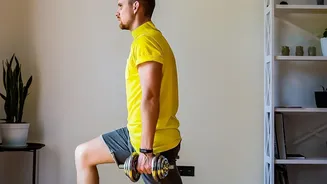
Think of 'movement snacks' as short, 1-to-5-minute bursts of activity sprinkled throughout your day. These are not meant to be a full workout but rather a way to reactivate muscles and boost circulation. While waiting for a document to print or for the microwave to heat your lunch, do a set of 10-15 bodyweight squats or calf raises. You can also perform simple 'deskercises' like chair dips, seated leg lifts, or wall pushups. These micro-workouts combat the stiffness that comes from being static, improve focus, and reduce feelings of fatigue. The key is consistency; a few minutes every hour is more effective than one intense session after a full day of inactivity.
4. Schedule Dedicated Stretching
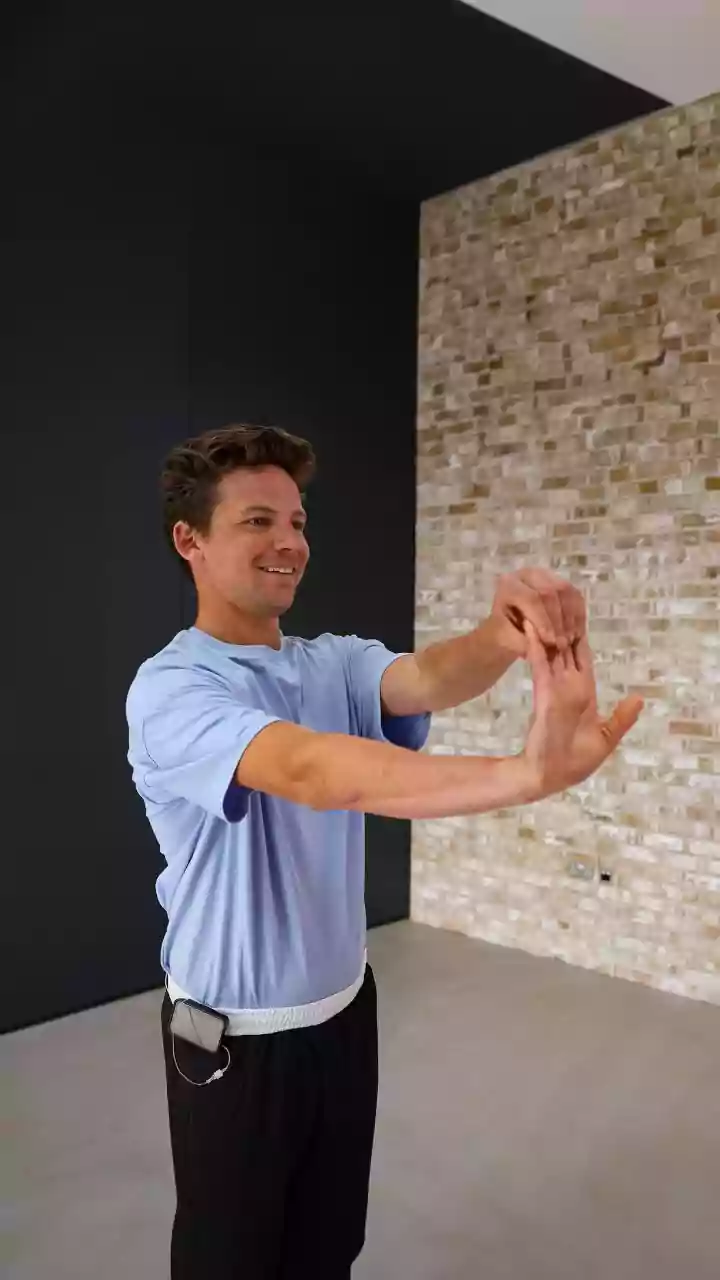
Prolonged sitting, especially while hunched over a keyboard, leads to tight and strained muscles in the neck, shoulders, and back. To counteract this, make a conscious effort to perform targeted stretches. Simple neck rotations, shoulder shrugs, and wrist stretches can be done right at your desk and provide immediate relief. For your lower body, a seated hip stretch can help ease tightness in your hip flexors. To open up a rounded chest and upper back, sit tall and gently lean back over the top of your chair. These movements improve joint mobility, prevent stiffness, and can alleviate the chronic aches and pains that often accompany a desk job.
5. Practice Active Fidgeting
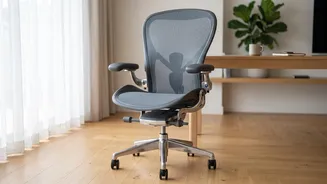
It may sound trivial, but small, spontaneous movements known as Non-Exercise Activity Thermogenesis (NEAT) contribute significantly to your daily energy expenditure. Fidgeting is a form of NEAT. Tapping your feet under the desk, shifting your position in your chair, or making small movements while standing can burn more calories than sitting completely still. Instead of forcing a rigid posture, allow yourself to move subtly throughout the day. Consider swapping your standard office chair for a stability ball for short periods, which engages your core muscles and encourages constant microadjustments to maintain balance. It’s about turning idle time into active time in the smallest possible ways.