




Choose Your Destination Wisely
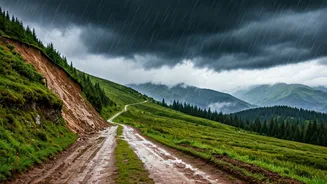
Not all destinations are created equal during the monsoon. While the season makes some places magical, it can make others risky. The mountains of the Himalayas, for instance, are prone to landslides and road blockages, making travel hazardous. [2, 19]
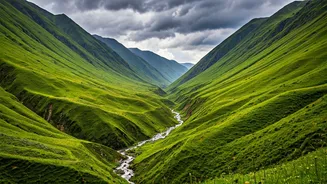
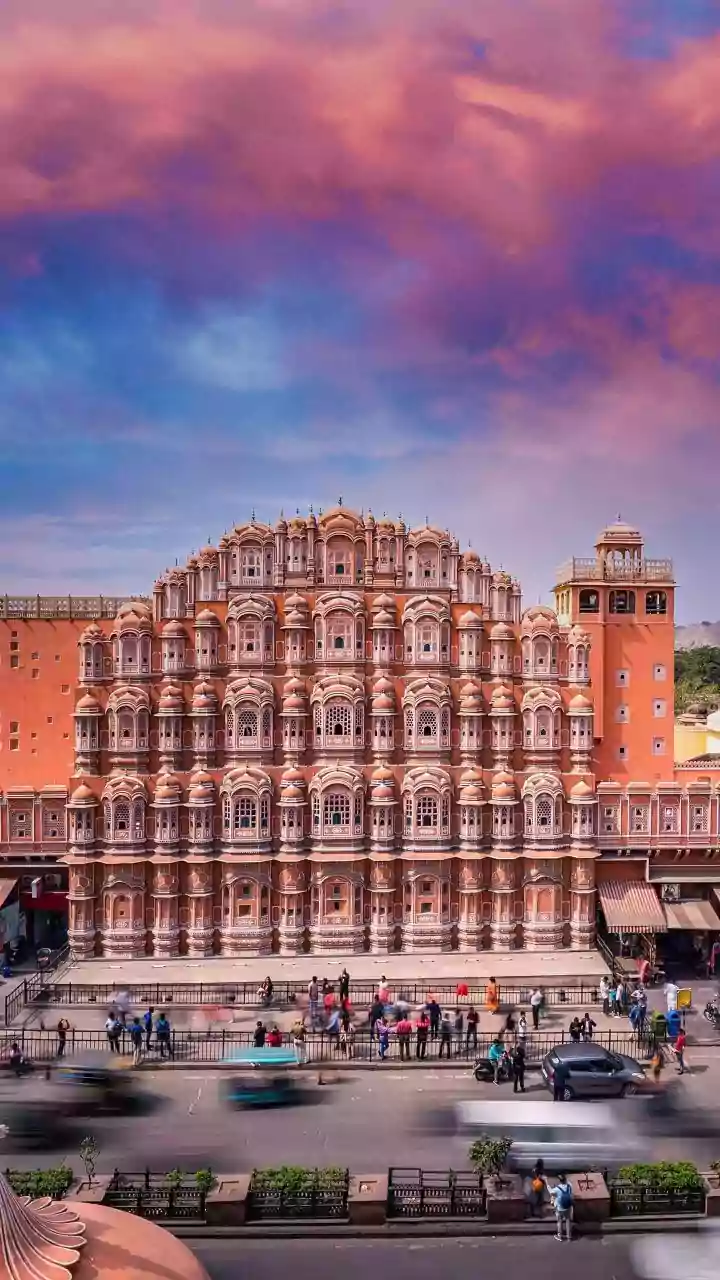
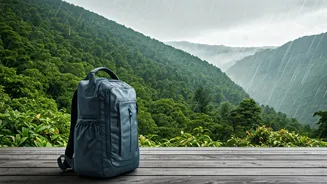
It's often best to avoid areas like Himachal Pradesh, Uttarakhand, and Sikkim during peak rains. [12, 19] Conversely, places in the Western Ghats like Lonavala, Mahabaleshwar, and Munnar come alive with lush greenery and spectacular waterfalls. [2, 8] Destinations in Rajasthan like Udaipur and Mount Abu receive less rainfall and offer a pleasant, crowd-free experience. [6, 14] For those wanting to avoid rain altogether, high-altitude desert regions like Ladakh and Spiti Valley remain dry and are ideal for travel between June and September. [6, 13]
Prioritise Flexible Bookings
The monsoon is famously unpredictable. Heavy rains can lead to sudden flight delays, train cancellations, and impassable roads. [21] To safeguard your plans, opt for flexible booking options for flights and accommodation. Look for hotels that offer free cancellation or rescheduling. [11] When booking flights, read the terms and conditions regarding weather-related disruptions. Having a flexible itinerary with buffer days built in can save you from stress and financial loss if your plans are unexpectedly derailed. [12, 16] This isn't the season for rigid, back-to-back scheduling; a slower, more adaptable pace is your best friend.
Invest in Comprehensive Travel Insurance
Travel insurance is not just a good idea during the monsoon—it's essential. While not always mandatory for domestic travel, going without it is a significant financial risk. [3] A robust policy can protect you from a range of monsoon-related issues, including trip cancellations and delays due to severe weather. [4, 18] It can also cover additional expenses for accommodation or alternative transport if you get stranded. [17] Furthermore, it provides a crucial safety net for medical emergencies, which can be more common due to water-borne diseases or accidents on slippery terrain. [3] Ensure your policy specifically covers disruptions caused by natural disasters and has a straightforward, digital claims process. [3, 4]
Rethink Your Mode of Transport
How you get there is as important as where you're going. Road travel can be particularly dangerous during the monsoon due to poor visibility, slippery conditions, and the risk of floods or landslides. [10, 16] If you must drive, do so during daylight hours, stick to paved national highways, and check your vehicle's tyres and wipers beforehand. [10, 16] However, for longer intercity journeys, trains and flights are generally considered safer and more reliable options. [22, 23] Even then, delays are common, so it's wise to plan for extra travel time between connections. [12]
Pack for Health, Safety, and the Rain
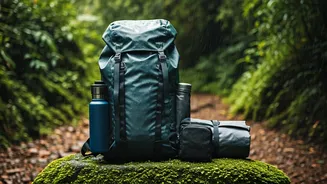
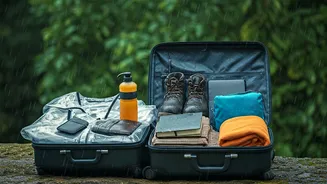
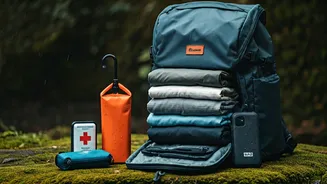
Smart packing can make or break a monsoon trip. Prioritise waterproof gear, including a good raincoat, an umbrella, and a cover for your backpack. [5, 15] Choose quick-drying synthetic fabrics over cotton or denim, which become heavy and take ages to dry. [7, 10] A solid pair of waterproof shoes with good grip is non-negotiable to prevent slips and fungal infections. [9, 15] For your health, carry a basic first-aid kit with medication for common ailments like colds and indigestion, along with a strong insect repellent to ward off mosquitoes. [5, 7] It's also wise to be cautious with food and water; stick to bottled water and avoid raw street food to prevent water-borne illnesses. [7, 9]