






What Exactly Is an Eco-Lodge?
Forget everything you think you know about a typical hotel stay. An eco-lodge is not just a building in a scenic spot; it is a philosophy put into practice. At its core, an eco-lodge is a type of accommodation designed to have a minimal impact on the
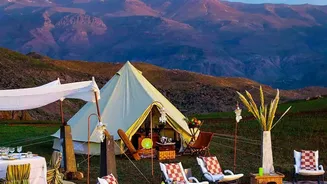
natural environment in which it is situated. Its entire structure and operation are built on three fundamental pillars: environmental conservation, benefits to local communities, and offering guests an authentic, nature-based experience. These are often small-scale properties, intentionally designed to blend in with their surroundings, using local materials and sustainable architecture. The goal is to provide a travel experience that actively protects sensitive areas and supports the people who live there, making your stay a positive force for the region.
More Than Just Reusing Towels
In an age of “greenwashing,” where sustainability can be more of a marketing term than a genuine practice, true eco-lodges stand apart. Their commitment goes far beyond asking guests to reuse towels or providing refillable water bottles. We are talking about properties that might be completely off-grid, generating their own power through solar or wind. They implement advanced water conservation systems, practice meticulous waste management, and often grow their own produce for their kitchens in a farm-to-table model. Many are built using renewable or recycled materials like bamboo and reclaimed wood. Furthermore, they actively contribute to their local economy by employing staff from nearby communities, sourcing goods from local artisans, and funding conservation or social projects.
The Rise of the Conscious Traveller
So, why the sudden surge in popularity? The trend is fuelled by a fundamental shift in traveller mindset. A recent Booking.com report highlighted that a majority of Indian travellers believe immediate action is needed to protect the planet, a sentiment that now influences their holiday choices. After years of restrictions, people are not just seeking an escape; they are seeking connection—to nature, to different cultures, and to themselves. There is a growing desire for travel to be meaningful and to have a positive impact. Eco-lodges cater directly to this demand, offering an immersive alternative to crowded tourist spots. The global sustainable tourism market is projected to grow significantly, with India's market expected to expand at a rapid pace, signalling that this is a long-term shift, not a fleeting trend.
The Experience: Immersive and Authentic
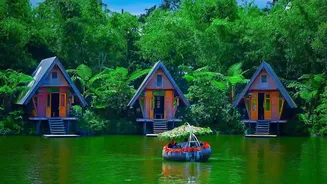
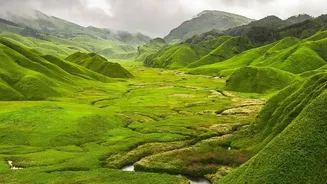
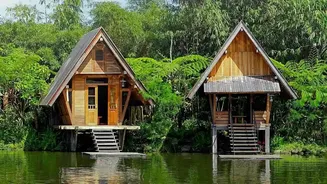
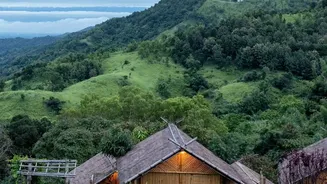
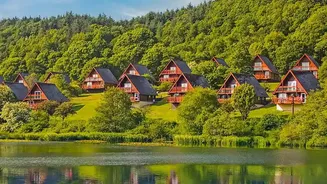
A stay at an eco-lodge is an experience in itself, not just a place to sleep. While some might have fewer conventional luxuries like televisions or air conditioning, they offer richer rewards. Days are filled with activities that connect you to the destination, such as guided nature walks with local experts, wildlife spotting, or participating in community-led workshops. The focus is on disconnecting from the digital noise and reconnecting with the natural world. These lodges are often located in stunning, remote locations—think a treehouse overlooking a rainforest canopy or a cabin by a serene river—providing a level of peace and authenticity that a city hotel cannot match. You leave not only with memories but with a deeper understanding of the local ecosystem and culture.
Finding Your Perfect Eco-Retreat
With the term being used more broadly, it's important to know how to spot a genuine eco-lodge. Look for specifics on their website. Do they detail their sustainability practices? Do they talk about their community partnerships and conservation efforts? True eco-lodges are transparent about their operations. Look for certifications from recognised ecotourism bodies. In India, the eco-tourism segment is a leading part of the sustainable travel market, and numerous properties across states like Kerala, Uttarakhand, and the Northeast are embracing these principles. From the Western Ghats to the Himalayan foothills, incredible options exist that allow you to explore the country’s rich biodiversity while supporting a more responsible form of tourism. By doing a little research, you can ensure your travel money supports genuine conservation and community empowerment.