



Worried you're not getting enough fibre? The good news is you don't need to abandon your favourite dals and sabzis. Increasing your daily fibre intake is easier than you think and can be done with simple, familiar swaps in your own kitchen.
Why Bother With Fibre?
Before we dive
into the 'how', let's quickly cover the 'why'. Dietary fibre, found in plant-based foods, is a crucial nutrient that many of us don't get enough of. It plays a vital role in maintaining good digestive health, helping to prevent constipation and keeping you regular. A high-fibre diet can also aid in weight management by making you feel fuller for longer, help control blood sugar levels, and reduce the risk of certain health issues like heart disease. There are two types: soluble fibre (in oats, beans, apples) which forms a gel and helps manage cholesterol, and insoluble fibre (in whole grains and vegetables) which adds bulk and aids movement through your system. Most plant foods contain a healthy mix of both.
Embrace Whole Grains and Millets
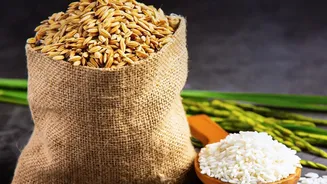
One of the simplest switches is from refined grains to whole grains. Instead of white rice, try brown rice in your pulao or khichdi. When making rotis, use 100% whole wheat atta instead of finer, more processed flours. Don't stop there; India's treasure trove of millets like jowar (sorghum), bajra (pearl millet), and ragi (finger millet) are packed with fibre. You can make rotis from their flours or use them in dishes like upma and porridge. The goal isn't to replace everything at once, but to start incorporating these more robust grains into your weekly routine.
Make Friends With the Entire Lentil Family
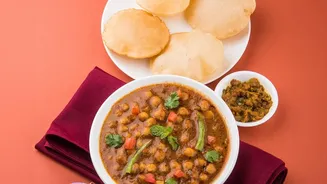
Most Indian homes already have a variety of dals, but we can be even more intentional about using them. Lentils and legumes like chickpeas (chana), kidney beans (rajma), and green gram (moong dal) are fibre powerhouses. Try to include a dal or a legume-based curry with every main meal. Think beyond just plain dal; use them in salads, soups, or make chillas from moong dal batter. Sprouts are another excellent way to boost fibre; add them to salads or light stir-fries for extra crunch and nutrition.
Don't Peel Your Vegetables (When Possible)
A surprising amount of fibre is located in the skin of vegetables and fruits. Whenever it's practical, cook vegetables like potatoes, carrots, and cucumbers with their skins on. Of course, this doesn't apply to everything, but for many common vegetables, a good scrub is all that's needed. This simple habit adds a significant fibre boost to your everyday sabzis and salads with zero extra effort. For fruits, choosing to eat a whole apple or pear with its skin is far more beneficial than peeling it or drinking its juice.
Fill Half Your Plate with Vegetables
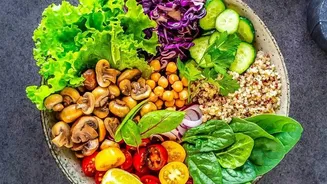
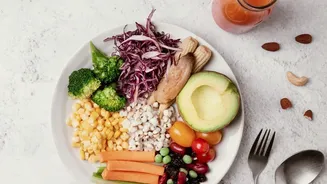
A visually simple but effective rule is to ensure vegetables occupy half of your plate at lunch and dinner. Indian cuisine offers a vast array of fibre-rich vegetables like okra (bhindi), spinach (palak), pumpkin (kaddu), and cauliflower (gobi). Don't just stick to one type. A mix of different vegetables in your sabzi, sambar, or as a simple side salad ensures you get a wider range of nutrients. Think of your main grain and dal as one half of the meal, and a generous portion of colourful vegetables as the other.
Supercharge Your Meals with Seeds
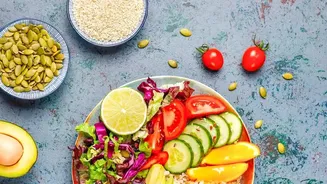
Seeds are a modern but incredibly easy addition to an Indian diet. Flaxseeds (alsi) and chia seeds are tiny nutritional giants, rich in soluble fibre. You can add a spoonful of ground flaxseed to your chapati dough, curd, or smoothies. Chia seeds can be sprinkled over oatmeal or fruit bowls. Even traditional seeds like sesame (til) used in chutneys and podis contribute to your daily intake. While they are additions and not replacements for other fibre sources, they are a simple way to give your meals an extra edge.