






A Show from a Famous Comet
The Orionid meteor shower is an annual celestial event that occurs when Earth passes through the dusty debris trail left by one of history's most famous comets: 1P/Halley, or Halley's Comet. While the comet itself only graces our skies every 76 years,
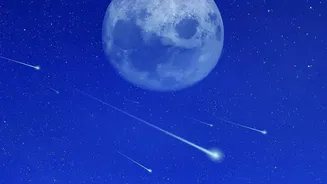
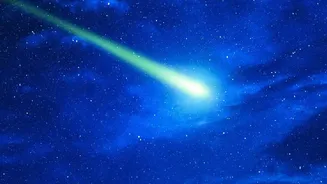
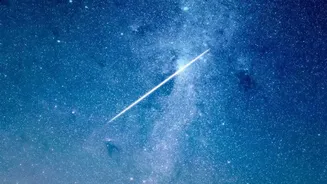
its legacy lights up our atmosphere annually. These meteors are known for their speed, entering the atmosphere at roughly 66 kilometres per second. This velocity can cause them to leave glowing trails and sometimes create exceptionally bright fireballs, making the Orionids one of the most beautiful showers of the year. The name comes from the fact that the meteors appear to radiate from a point within the constellation Orion, the Hunter.
Mark Your 2026 Calendar
For stargazers in 2026, the key time to watch is the peak on the night of October 21 and into the pre-dawn hours of October 22. While the shower is active from early October through early November, your chances are best during this peak window. This year, a bright waxing gibbous moon will compete with the show during the evening. However, there is good news for dedicated viewers: the moon will set around 3 a.m. local time. This opens up a window of prime, dark-sky viewing from moonset until the first light of dawn, which is the ideal time to head out.
Scout the Perfect Urban Location
The biggest challenge for urban stargazers is light pollution. While you can't escape it completely, you can significantly improve your view by being strategic. You don’t need to drive for hours; instead, find the darkest spot available to you. This could be a large city park, a sports field, a waterfront area, or even the top floor of a parking garage with an unobstructed view of the sky. The goal is to put buildings and direct streetlights out of your immediate line of sight. The less direct light hitting your eyes, the more your pupils can dilate to catch the faint streaks of meteors.
The Most Important Tool: Patience
The best stargazing tool is one you already have: patient eyes. Your eyes need 20 to 30 minutes to fully adapt to the darkness and achieve their peak night vision. This means no looking at your phone, no checking your watch, and no using a regular flashlight. If you need light, use a red-light torch, as red light has a minimal effect on night vision. Once your eyes are adapted, you'll be amazed at how many more stars—and meteors—become visible. Remember that meteor showers are not a constant stream. There will be lulls, followed by bursts of activity. Set your expectations for a relaxing night under the stars, and consider any meteor a bonus.
Gear Up for Comfort, Not Complexity
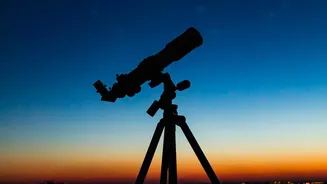
You do not need a telescope or binoculars to watch a meteor shower. In fact, they are counterproductive because they restrict your field of view, and meteors can appear anywhere in the sky. The best way to watch is with the naked eye, taking in as much of the sky as possible. Instead of optical gear, focus on comfort. Bring a reclining lawn chair, a thick blanket, or even an inflatable raft to lie on. This prevents neck strain and allows you to settle in for the long haul. October nights can be chilly, so dress in warm layers, and consider bringing a thermos of a hot drink.
Knowing Where (and How) to Look
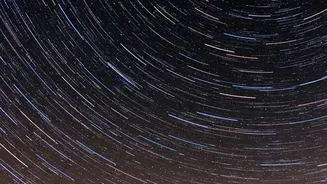
While the meteors radiate from Orion, you shouldn't stare directly at the constellation. Meteors seen near the radiant will have short, stubby trails due to perspective. For the best show, lie back and look straight up, or about 45 degrees away from the radiant. This allows you to see meteors with longer, more dramatic trails as they streak across the sky. Orion rises in the east after 10 p.m. and will be high in the southern sky before dawn. If you can spot the three bright stars of Orion's Belt, you’ll know the general direction, but remember to let your gaze be wide and patient.