

The Science of Spoilage
The core reason raw, part-cooked, and cooked foods have different expiry timelines lies in their bacterial load. Raw foods naturally contain bacteria that are killed during cooking. Cooking significantly reduces these microorganisms, but it doesn't sterilize
the food; some spores can survive, and new bacteria can be introduced from the air or utensils. This is why even cooked leftovers have a limited lifespan. Refrigeration at or below 5°C slows this bacterial growth but doesn't stop it entirely, making time your second most important tool for food safety.
Raw Meats, Poultry, and Seafood
This category is the highest risk. Raw meat, poultry, and fish are teeming with potential pathogens. To prevent rapid bacterial multiplication, they require the strictest storage. In the refrigerator, ground meats, poultry, and seafood should be consumed within 1 to 2 days. Larger cuts of red meat like chops and roasts may last slightly longer, around 3 to 5 days. Crucially, these items must be stored in sealed, leak-proof containers on the bottom shelf of the fridge to prevent their juices from dripping onto and contaminating other foods.
Part-Cooked and Marinated Foods
Foods that are partially cooked, like a par-boiled vegetable or a rare steak, are a tricky middle ground. The cooking process may not have been sufficient to kill all bacteria, leaving them in a vulnerable state. Similarly, marinated raw meats are still considered raw. The acidic or salty nature of a marinade can slow bacterial growth slightly, but it doesn't make the meat safe to store for extended periods. Treat these items with the same caution as raw foods, aiming to fully cook and consume them within 1 to 2 days of initial preparation or purchase.
Cooked Leftovers and Meals
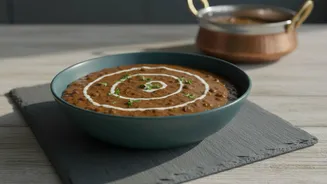
Once food is thoroughly cooked, its refrigerator life gets a modest extension. Most cooked leftovers, including curries, dals, cooked vegetables, and meat dishes, are generally safe to eat for 3 to 4 days if stored correctly. The key is to cool them rapidly and refrigerate them within two hours of cooking. Storing large portions in shallow containers helps them cool down faster, preventing bacteria from thriving in the 'danger zone' (between 5°C and 60°C). Always use clean, airtight containers.
Ready-To-Eat (RTE) Foods
This broad category includes everything from deli meats and packaged salads to commercial dips and desserts. For unopened commercial products, the 'use-by' or 'best-before' date is your primary guide. However, once opened, their shelf life decreases significantly. Opened deli meats, for example, should be consumed within 3 to 5 days. Always store RTE foods on the upper shelves of your refrigerator, above raw foods, to prevent cross-contamination. When dealing with any food, remember the golden rule: when in doubt, throw it out.