







More Than Just a Mess
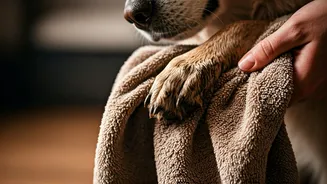
Muddy paws are more than just a housekeeping nightmare; they can pose genuine health risks for your canine companion. Trapped moisture between paw pads can create a breeding ground for bacteria and fungi, potentially leading to painful infections and inflammation,
a condition known as pododermatitis. Beyond the risk of infection, muddy and wet conditions can hide sharp objects like rocks, thorns, or broken glass, which can cause cuts and abrasions. Repeated exposure to damp, gritty environments can also lead to cracked and irritated paw pads, causing significant discomfort for your dog. A simple walk can turn into a source of pain, with potential for vet bills and a long recovery. Investing in paw protection is a proactive step towards safeguarding your dog's overall health and well-being.
The Breathable Boot Advantage
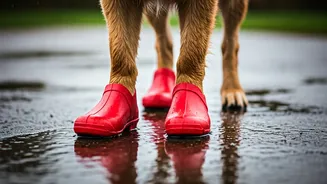
While traditional rubber boots offer waterproof protection, they often fall short on comfort. Older, non-breathable models can trap heat and sweat, leading to discomfort and potentially exacerbating moisture-related skin issues. This is where modern, breathable boots make all the difference. These advanced designs often incorporate materials like mesh panels or perforated fabrics that allow air to circulate, keeping the paws cooler and drier. This ventilation is crucial, as dogs regulate temperature through their paw pads. A breathable boot ensures that while mud and water are kept out, your dog’s paws are not overheating inside, providing a balance of protection and comfort that makes them suitable for longer treks.
A Guide to Choosing the Right Pair
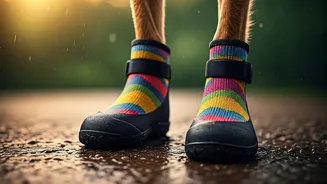
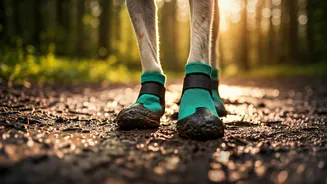
Selecting the right boots is crucial for your dog’s comfort and safety. The most important factor is fit. A boot that is too loose will slip off in the mud, while one that is too tight can cause chafing and restrict movement. Always measure your dog's paws while they are standing with their full weight on the foot, as the paw will spread. Measure both the width and length, and compare it to the manufacturer's sizing chart. Look for boots with a durable, non-slip sole that provides good traction on slippery surfaces. Deep grooves in the rubber can help your dog maintain a firm grip on uneven or slick terrain. The fastening system is also key. Adjustable velcro straps are common and allow for a secure, customized fit that prevents the boot from twisting or coming loose during activity. Finally, consider the material. It should be both waterproof or highly water-resistant and flexible enough to allow for natural paw movement.
Getting Your Dog Comfortable
Most dogs will not take to wearing boots immediately. The key is a gradual and positive introduction. Start by simply letting your dog sniff the new boots and rewarding them with treats for their curiosity. Once they are familiar with them, try putting on just one boot for a few seconds, followed by a reward, then remove it. Gradually increase the duration and the number of boots, always associating the experience with praise and high-value treats. Have your dog practice walking in them indoors on a soft surface before venturing outside. Keeping the initial sessions short and fun will help your dog build a positive association, eventually seeing their boots as a happy signal for an upcoming walk or hike.