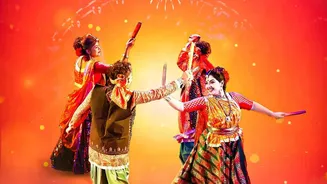





Every December, the hills of Nagaland come alive with warrior chants, log drums, and a riot of colour. This is the Hornbill Festival, the 'Festival of Festivals', a spectacular ten-day event showcasing the rich heritage of the Naga tribes.
What is the Hornbill Festival?
The Hornbill
Festival is an annual cultural extravaganza organised by the Government of Nagaland to promote the state's vibrant traditions. Established in 2000, its primary aim is to encourage cultural exchange among Nagaland's diverse tribes and to preserve their unique heritage for future generations. The festival is named after the Indian Hornbill, a bird deeply respected and featured prominently in the folklore and traditions of most Naga tribes. For ten days, from December 1st to 10th, all major tribes of Nagaland gather to celebrate their shared identity through dances, songs, food, and ceremonies. The opening day coincides with Nagaland Statehood Day, adding to the significance of the celebrations.
The Venue: Kisama Heritage Village
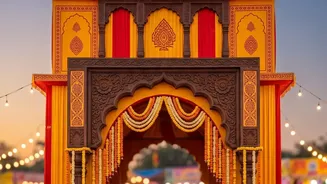
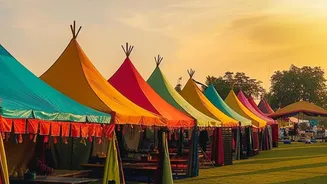
The festival takes place at the Naga Heritage Village in Kisama, located about 12 kilometres from the state capital, Kohima. This purpose-built venue is a key attraction in itself. It features traditional houses known as 'Morungs' for each participating Naga community, constructed in their unique architectural styles. During the festival, these Morungs become lively hubs where visitors can interact with the community members, witness their customs, and see artisans at work. The layout includes a central performance arena, a World War II museum, and various exhibition halls, creating a comprehensive cultural experience.
A Kaleidoscope of Culture: What to See and Do
The main arena at Kisama is the epicentre of activity, with a packed schedule of cultural performances from morning until late afternoon. Visitors can witness breathtaking warrior dances, traditional folk songs, and colourful ceremonial processions from all 17 recognised tribes. Beyond the main stage, the festival is filled with activities. You can watch indigenous games like Naga wrestling, archery, and the fiery Naga king chilli eating competition. The evenings often shift to contemporary entertainment, with the Hornbill Music Festival featuring rock bands and artists from across the country. A bustling night bazaar in Kohima also offers street food, shopping, and a festive atmosphere after dark.
A Culinary Adventure: The Flavours of Nagaland
Food is an essential part of the Hornbill experience. Each tribe's Morung operates as a kitchen, offering a unique chance to sample authentic Naga cuisine that differs from one stall to the next. A must_try is the smoked pork, often cooked with fermented bamboo shoots or the pungent 'axone' (fermented soybean). Other popular dishes include 'Galho', a comforting rice porridge similar to khichdi, and various preparations of fish steamed in bamboo. For the adventurous, a tiny taste of a chutney made with the 'Raja Mircha' or king chilli is an unforgettable experience. To wash it all down, try 'Zutho', the traditional Naga rice beer.
Planning Your Trip for Hornbill 2026
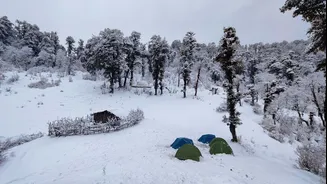
The Hornbill Festival 2026 is scheduled from December 1st to 10th. Planning ahead is crucial as accommodation in and around Kohima gets booked months in advance. The nearest airport and major railway station are in Dimapur, which is about a 2–3 hour drive from Kohima. All visitors from outside Nagaland, including Indian citizens, require an Inner Line Permit (ILP) to enter the state, which can be applied for online. It's advisable to carry warm clothing as December nights in the hills can be quite cold. While at the festival, remember that cash is often preferred at the smaller stalls. Arrive at the Kisama venue early to avoid traffic and to get a good spot for the morning performances.