



A Village Reaches for the Stars
In the Surgana taluka of Nashik district, the small hilltop village of Udmal is preparing for a new kind of visitor. On August 25, 2026, villagers and Forest Department officials met to formalise plans to develop Udmal as an astro-tourism destination.
This community-led initiative aims to protect the area's naturally dark skies from light pollution, turning darkness itself into a valuable asset. The local Gram Sabha has already passed a resolution to adopt responsible lighting practices, with the district administration sanctioning over ₹42 lakh to support the project. The goal is to secure certification as a 'Dark Sky Community' from the global authority, DarkSky International, which would be a first for Maharashtra.
The Search for True Darkness
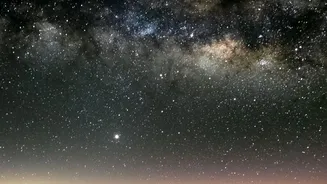
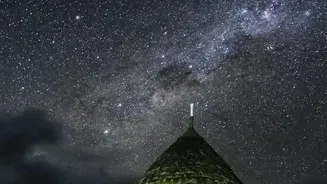
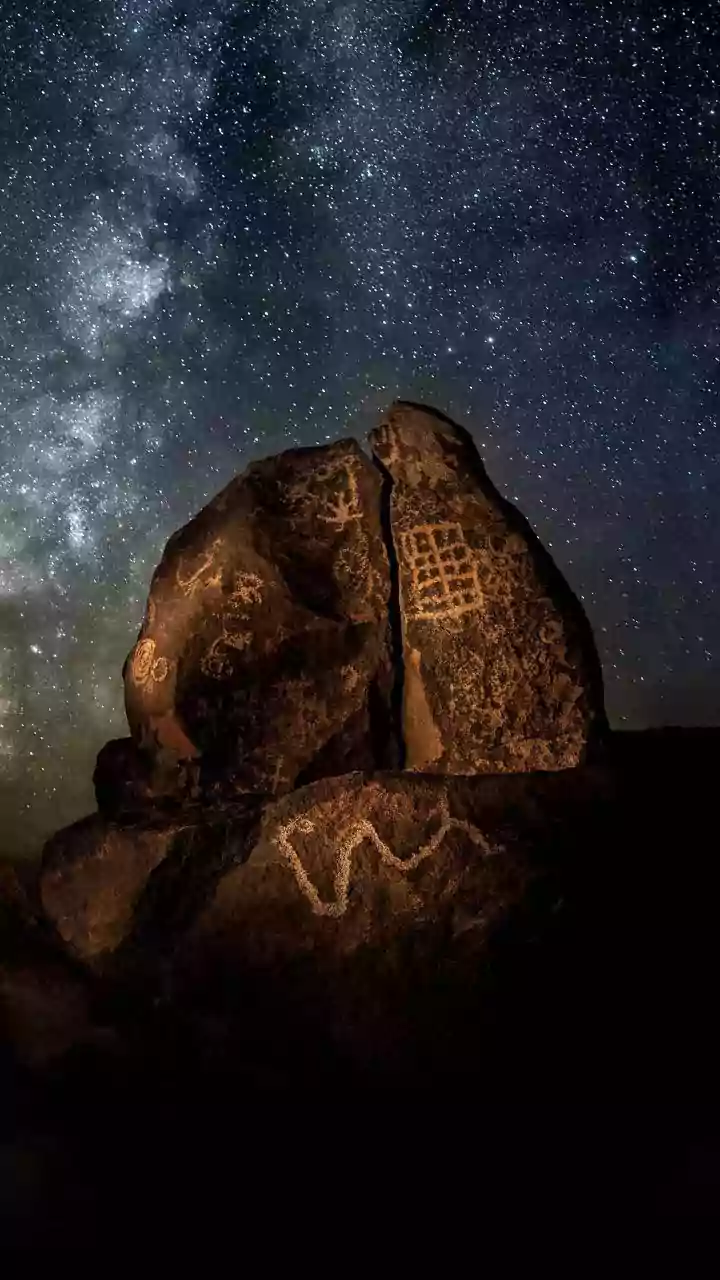
So, what exactly is dark sky tourism? Also known as astro-tourism, it’s about travelling to locations with minimal artificial light to experience the night sky in its full glory—seeing the Milky Way, constellations, and meteor showers without the orange glow of urban life. This has become a powerful draw for travellers seeking unique, nature-based experiences. The movement is driven by a growing awareness of light pollution, which not only obscures our view of the cosmos but also negatively affects human health, disrupts ecosystems, and wastes energy. A 'Dark Sky Park' or 'Community' is an area that commits to preserving the quality of its starry nights through responsible lighting policies and public education.
Maharashtra’s Celestial Vision
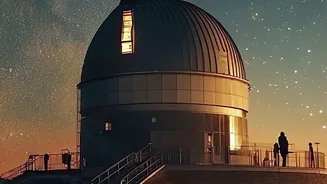
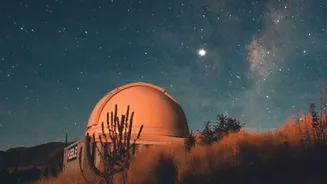
Udmal isn't acting alone. The initiative is part of a larger, statewide strategy announced in 2025 by the Maharashtra government. The state has identified 11 pilot locations for its dark sky initiative, which falls under the broader 'Vikasit Maharashtra 2047' vision. These sites, including Pench Tiger Reserve, Lonar Crater Lake, Bhandardara, and Toranmal, were chosen for their remote locations and low levels of light pollution. The state's tourism department, in partnership with Pune-based organisation AstronEra, is developing a formal dark sky policy. This policy aims to create infrastructure like observatories and viewing stations while implementing regulations to control artificial light in and around these pristine zones.
More Than Just Stargazing
The benefits of this push extend far beyond tourism. For local communities, especially in tribal areas like Udmal, it offers a new, sustainable source of livelihood that complements existing eco-tourism activities. By preserving natural darkness, the initiative also supports biodiversity conservation, protecting nocturnal wildlife whose natural cycles are disrupted by artificial light. Furthermore, it fosters scientific curiosity and education. Nashik's District Collector noted the region's cultural connection to astronomy, such as the Kumbh Mela's timing being linked to Jupiter's movements, which can be woven into the new tourism ecosystem.
How to Experience the Night Sky
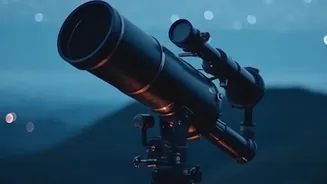
As these sites are developed, they will offer curated experiences like guided stargazing sessions, night-sky photography workshops, and meteor shower viewings. While some locations like Bhandardara already have established camping and stargazing options, the formalisation of these 11 sites will bring better infrastructure and accessibility. For those planning a trip, the best time for stargazing in Maharashtra is typically during the clear, dry months outside of the monsoon season. Visitors should prepare for cool nights in remote areas and bring binoculars or a small telescope to enhance the experience. The key, however, is simply a willingness to disconnect from the bright lights of daily life and look up in wonder.