







Beyond the Scale: A Metabolic Shift
For years, the main appeal of intermittent fasting was its simplicity as a weight-loss tool. By restricting eating to a specific window, many people naturally consume fewer calories. But newer research is reframing IF not as a diet, but as a metabolic
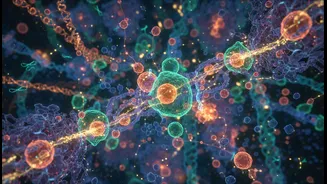
intervention. The focus is shifting to processes like autophagy, a cellular cleanup mechanism that may be triggered by fasting, and the significant hormonal changes that occur when we extend the time between meals. These changes in insulin, growth hormone, and other key regulators are now at the center of the scientific discussion, moving the goalposts from simple fat loss to overall metabolic health and longevity.
The Hormone Question for Men and Women
One of the most critical new frontiers is understanding how IF affects hormones differently in diverse populations. While lower insulin levels are often cited as a key benefit, helping to improve insulin sensitivity, the impact on other hormones is more complex. For women, there are open questions about how fasting impacts the menstrual cycle and reproductive hormones like estrogen and progesterone. Some research suggests that prolonged or aggressive fasting could disrupt these cycles, while other studies on women with conditions like Polycystic Ovary Syndrome (PCOS) show potential benefits. Similarly, stress hormones like cortisol can rise during fasting periods, which could potentially counteract some benefits if not managed. Researchers are now working to understand who is most at risk and how to tailor fasting protocols to avoid these issues.
Preserving Muscle While Fasting
A major concern that has moved to the forefront is the potential for muscle loss. Skeletal muscle is crucial for metabolic health and healthy aging, but fasting periods inherently reduce the two main signals for muscle maintenance: dietary protein and insulin. While some studies show that combining time-restricted eating with resistance training can preserve, or even build, muscle, the risk is real. This is especially true for whole-day fasting approaches or for individuals who don't consume enough protein within their eating window. Older adults and already lean individuals may be at higher risk of losing valuable muscle mass. The next wave of research aims to define the best practices for pairing IF with exercise and specific protein intake strategies to get the benefits of fasting without sacrificing muscle.
The Gut Microbiome Connection
The trillions of microbes in our gut are a hot topic in health, and their relationship with intermittent fasting is a fascinating new area of study. Emerging evidence suggests that the timing of our meals can significantly alter the composition and diversity of our gut microbiota. Some studies have found that IF can increase beneficial bacteria linked to a leaner body type and reduced inflammation. For example, one study showed that an IF regimen combined with protein pacing led to better gut health and more significant metabolic improvements than simple calorie restriction. However, results across studies have been mixed, and scientists are still figuring out the exact mechanisms. The next step is to understand how these changes in gut bacteria translate to long-term health outcomes and whether they are a key reason for IF's benefits.
The Future is Personal
Ultimately, the next great question is not whether intermittent fasting is 'good' or 'bad', but who it is good for and how it should be practiced. The science is moving toward an era of precision nutrition, where dietary advice is tailored to an individual's unique biology, lifestyle, and health goals. Factors like age, sex, activity level, genetics, and even the health of your gut microbiome may determine which, if any, intermittent fasting protocol is right for you. Rather than adopting a one-size-fits-all approach, the future lies in personalizing the fasting window, diet quality, and exercise to maximize benefits while minimizing risks.