







The AI Takeover in Trip Planning
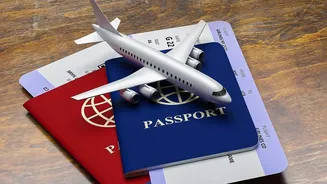
It’s impossible to ignore the surge of artificial intelligence in the travel sector. The market for AI in travel is expected to reach $222.4 billion in 2026, a massive leap driven by travellers' hunger for efficiency. More than half of all travellers have
already used AI to help plan a trip, with many relying on it for every journey they take. Platforms are using AI to offer predictive pricing, build custom itineraries in seconds, and power chatbots that handle customer service queries around the clock. Online Travel Agencies (OTAs) have been major drivers, integrating AI to personalize recommendations for flights, hotels, and activities based on user data. For millions, the convenience is undeniable; AI-referred visitors to travel sites are converting at higher rates, proving that for many, algorithms are successfully simplifying the once-tedious process of planning a getaway.
The Gen Z Paradox: Digital Natives, Analog Desires
Here's where the story gets interesting. Despite being the generation that grew up with algorithms, Gen Z is surprisingly skeptical about handing over the reins entirely to AI. While they use AI for research and inspiration, many don't fully trust it for the final booking. One survey found that while 89% of travelers want AI to help them plan, only 12% are comfortable letting it make decisions autonomously. This isn't a rejection of technology. Instead, it signals a deeper desire. Gen Z prioritizes authentic, meaningful, and often spontaneous experiences over cookie-cutter perfection. They crave trips to lesser-known destinations and opportunities to connect with local culture—nuanced goals that a purely data-driven algorithm often struggles to grasp.
What 'Human Touch' Really Means in 2026
The demand for a 'human touch' isn't about returning to the days of paper tickets and glossy brochures. For Gen Z and millennial travellers, it’s about three key things: expert curation, problem-solving, and peace of mind. A human travel advisor can cut through the noise of endless online reviews to provide vetted recommendations that align with a traveller's specific values, like sustainability or cultural immersion. More importantly, when flights are cancelled or a hotel booking goes missing, having a real person to call is an invaluable safety net. This is especially true for complex, high-stakes trips like safaris or multi-country tours, where an expert's guidance can prevent costly mistakes. The human element provides reassurance and accountability that algorithms cannot yet offer.
The Future is a Hybrid Team
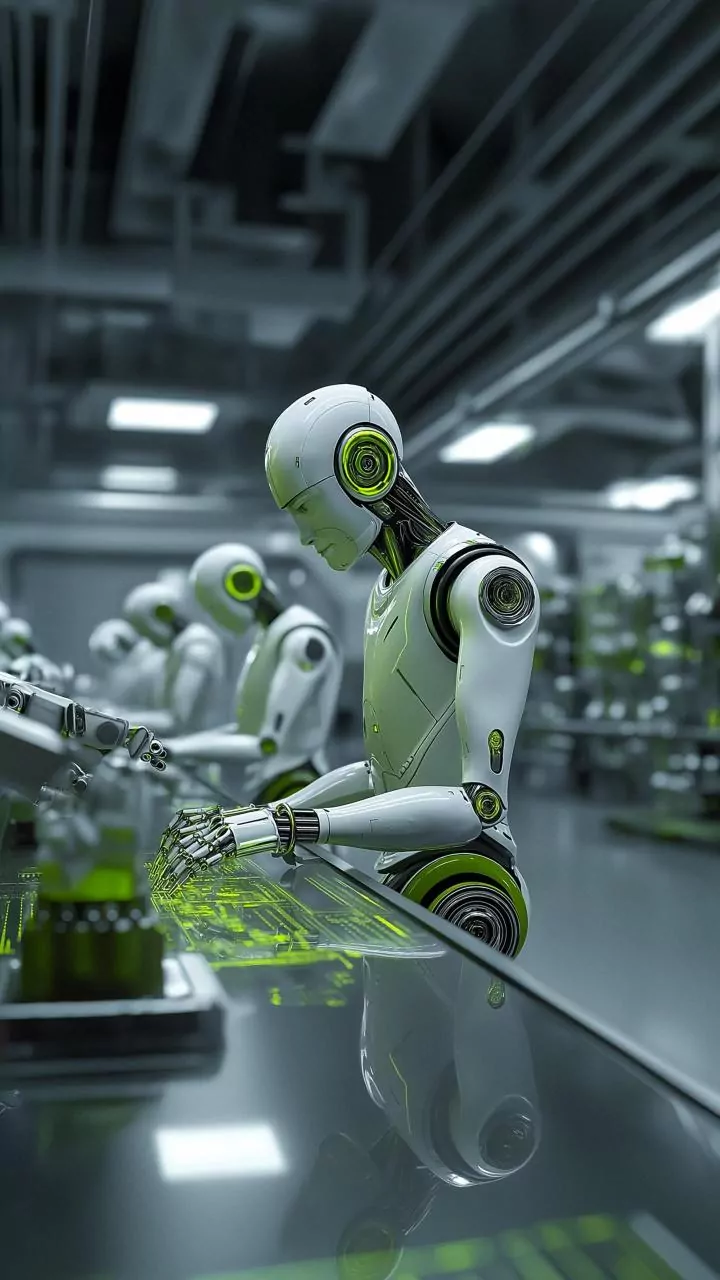
The most forward thinking companies understand that the future isn't a battle between AI and people, but a partnership between them. This 'hybrid pod' model is reshaping the industry. In this setup, AI agents handle the heavy lifting—sifting through millions of data points to find the best prices and availability—while human experts provide the final layer of curation, strategic thinking, and personalized service. A travel advisor might use an AI tool to quickly assemble the logistical skeleton of a trip, then use their own expertise to add unique, hardtofind experiences. This combination delivers the best of both worlds: the efficiency of technology and the irreplaceable value of human judgment and creativity. It's about making humans stronger, not redundant, by giving them more powerful tools to work with.