






The Land of Black Cotton
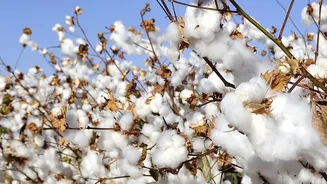
Long before the first factory chimneys punctuated the skyline, the region around Coimbatore, part of the larger Kongu Nadu, was renowned for something elemental: its soil. The area is blessed with vast tracts of 'Karisal' or black cotton soil, a dark,
clay-rich earth perfect for cultivating cotton. This fertile ground, particularly suited for rain-fed agriculture, has been the backbone of the region's prosperity for centuries. Historical records and archaeological findings, including Roman coins, show that this part of western Tamil Nadu has been a crucial hub on ancient trade routes, with its superior cotton being a prized commodity. Farmers cultivated native cotton varieties like 'Uppam' and 'Karunganni', which thrived in the local conditions. This deep-rooted agricultural tradition meant that when the industrial revolution arrived, Coimbatore was not just a convenient location but a region with a ready supply of the most critical raw material.
The Dawn of the Mills
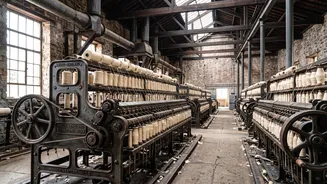
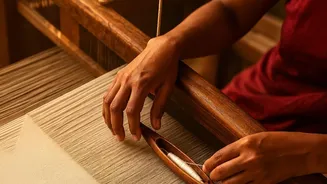
The transition from a cotton-trading hub to a textile manufacturing powerhouse began in the late 19th century. The industrial boom was kickstarted by Scottish entrepreneur Sir Robert Stanes, who established the Coimbatore Spinning and Weaving Mills in 1888. This venture, the first of its kind in the city, marked the dawn of industrialisation. Early mills were powered by steam, but the real game-changer came in the 1930s with the commissioning of the Pykara hydro-electric project. This provided abundant and reliable electricity, unleashing a wave of industrial growth. Entrepreneurs, many from the local agrarian communities who had experience trading cotton, saw an opportunity for forward integration and began establishing their own mills. Names like Kaleeswarar Mills, the first Indian-owned mill in the city, and later Ranga Vilas and Radhakrishna Mills, became pioneers, turning farming profits into industrial capital.
Weaving an Industrial Ecosystem
Coimbatore’s rise wasn't just about cotton and electricity. A complete ecosystem rapidly formed around the textile industry. The concentration of mills created a demand for machinery and, more importantly, for maintenance and repair services. This led to the birth of numerous small workshops and foundries in the 1930s. These workshops, initially started to service the textile mills, evolved into a robust engineering sector. This synergy is a unique aspect of Coimbatore’s story; the textile industry directly nurtured the engineering and manufacturing capabilities that the city is equally famous for today. With over 25,000 small, medium, and large industries, the city became a self-sustaining industrial hub, producing everything from yarn to the machinery needed to spin it.
The 'Manchester of South India'
The nickname 'Manchester of South India' became popular as the city’s textile output soared, drawing a direct parallel to the original industrial heartland of England. By the 1920s and 30s, Coimbatore had firmly established its reputation, fueled by a decline in Mumbai's cotton industry and a surge in global demand. The region was cultivating Cambodia cotton on nearly 3.5 lakh acres in the mid-1920s, feeding the ever-growing number of spindles. By the years leading up to independence, the city boasted dozens of mills employing tens of thousands of workers. This industrial identity shaped the city's culture, fostering a spirit of entrepreneurship and hard work that persists to this day. The names of old mills, even those now closed, remain as landmarks and bus stops, a constant reminder of the industry that built the modern city.