


The New Focus on Protein
A renewed national conversation around nutrition is placing a strong emphasis on protein sufficiency for all Indians. This isn't from a single new law, but a growing chorus from public health bodies and awareness campaigns like 'Right To Protein'. The
message is simple: adequate protein is fundamental for everyday health, not just for building muscle at the gym. Recent reports and campaigns are highlighting a significant gap between the protein we need and what we actually consume, prompting a push to educate citizens on the importance of this vital macronutrient for immunity, energy, and overall well-being. This drive encourages people to be more conscious of their protein intake in every meal.
Why the Urgency? India's Protein Gap
The push for protein awareness is rooted in some startling statistics. Surveys have indicated that a vast majority of Indians, with some studies suggesting over 70%, are deficient in protein. Shockingly, an even higher percentage—up to 90% in some reports—are unaware of their daily protein requirements. This isn't a problem confined to one region or economic group; it's a widespread national issue. The consequences of this long-term deficit are serious, leading to poor muscle health, fatigue, weakened immunity, and a slower metabolism. A typical Indian diet, often rich in carbohydrates from cereals like rice and wheat, may not provide enough protein on its own, a fact that many are only now beginning to realise.
How Much Protein Do You Really Need?
So, what's the magic number? According to the latest guidelines from the Indian Council of Medical Research (ICMR), a healthy, sedentary adult needs about 0.83 grams of protein per kilogram of body weight each day. For a person weighing 60 kilograms, this translates to roughly 50 grams of protein daily. However, this isn't a one-size-fits-all rule. Your needs can increase based on your activity level, age, and health status. For instance, moderately active individuals may need closer to 1.0-1.2 grams per kg, while pregnant women and older adults also have higher requirements. The key takeaway is to have a personal benchmark based on your weight and lifestyle.
Filling Your Plate with Protein: Indian Diet Edition
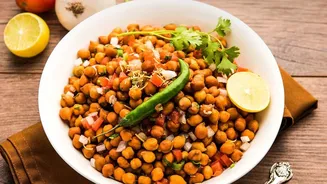
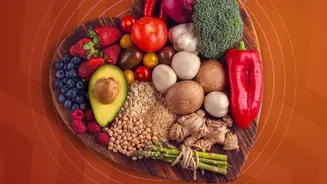
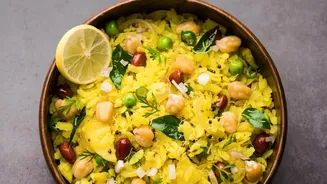
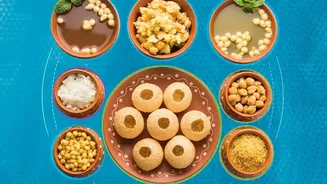
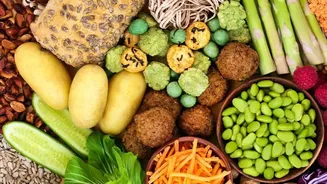
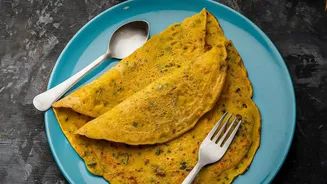
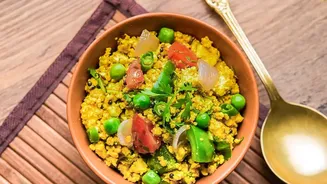
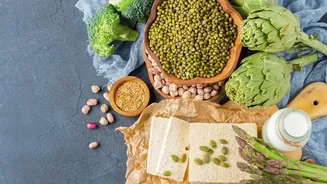
The good news is that you don't need to look for exotic or expensive ingredients. The Indian kitchen is already full of excellent protein sources. Lentils (dal), chickpeas (chana), and kidney beans (rajma) are protein powerhouses. Dairy products like paneer, curd (dahi), and milk are also fantastic options. For those looking for plant-based alternatives, soy products like tofu and soy chunks are incredibly rich in protein. Don't forget nuts and seeds like almonds and pumpkin seeds, as well as whole grains like quinoa and millets (bajra, ragi), which can significantly boost the protein content of your meals.
Quality Over Quantity: Making It Count
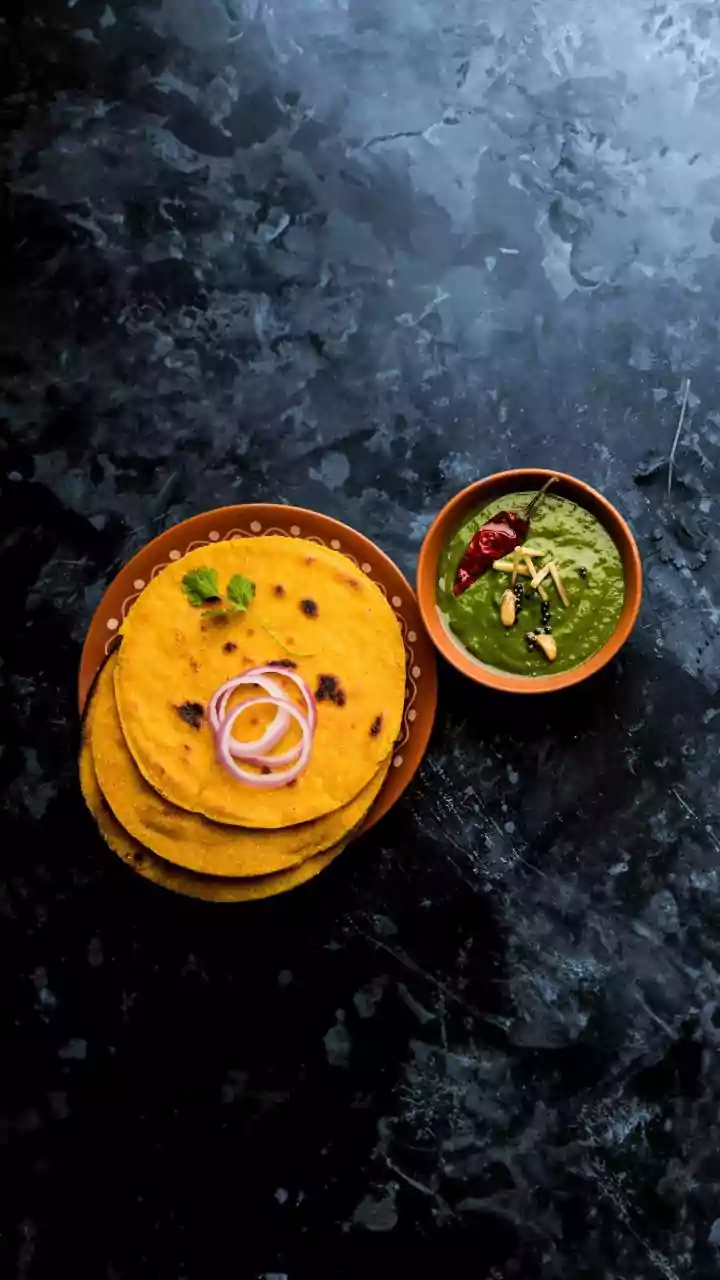
It's not just about the total grams; the quality of protein matters too. The concept of 'complete proteins', which contain all nine essential amino acids, is important. While animal-based proteins (meat, eggs, dairy) are typically complete, most plant-based sources are not. However, the solution is a cornerstone of Indian cuisine: food combination. Pairing cereals (like rice or roti) with legumes (like dal) creates a complete protein profile, ensuring your body gets all the amino acids it needs. This is why a simple meal of dal-rice or rajma-chawal is not just comforting, but also nutritionally smart. Sprouting legumes like moong can also enhance their nutritional value.
Debunking Common Protein Myths
Several myths prevent people from getting enough protein. One common belief is that protein is only important for bodybuilders. In reality, it’s essential for everyone for tissue repair, hormone production, and immune function. Another myth is that vegetarian diets are inherently low in protein. A well-planned vegetarian diet with a variety of dals, legumes, paneer, tofu, and grains can easily meet daily requirements. Finally, while protein supplements have a place, the ICMR advises against their regular use for most people, emphasizing that dietary needs should primarily be met through whole foods, as supplements can contain hidden sugars and additives.