





The Gut Health Revolution
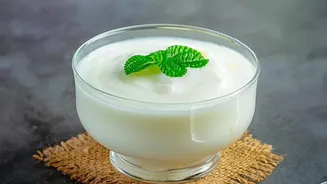
At the heart of this trend is a growing awareness of “gut health.” For generations, Indians have consumed homemade dahi, a natural source of beneficial bacteria. Today, this traditional wisdom is merging with modern science. Probiotics are live microorganisms—often
specific strains of bacteria and yeasts—that are believed to provide health benefits when consumed in adequate amounts, primarily by supporting a healthy gut microbiome. While traditional dahi is a natural probiotic food, commercially marketed probiotic dairy products are often formulated with specific, lab-tested strains in guaranteed quantities, designed to survive the journey through the digestive system.
Why the Sudden Surge in Demand?
Several factors are fuelling this dietary shift. A major driver is heightened health consciousness, particularly in urban India. In the wake of the COVID-19 pandemic, there's a stronger focus on immunity and preventive healthcare, and consumers are increasingly looking for functional foods that offer benefits beyond basic nutrition. This has put a spotlight on digestive wellness, with studies showing a high prevalence of digestive issues among the population. Rising disposable incomes also allow more consumers to spend on premium and value-added products. This growing interest is reflected in the market, with the Indian probiotics market seeing significant double-digit growth and being projected to expand substantially in the coming years.
From Dahi to Drinkable Yogurts
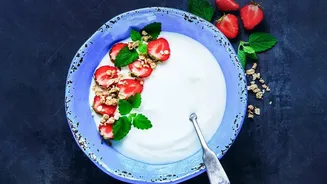
The market is now bustling with options. Probiotic food and beverages are the largest segment, with dairy-based products leading the charge. Consumers can find everything from probiotic dahi and Greek yogurt to convenient, drinkable formats. Major dairy players like Amul, Mother Dairy, and Nestlé have launched their own probiotic lines, such as Nestlé a+ Actiplus Dahi. They compete alongside international brands like Yakult Danone, known for its small fermented milk drinks containing the specific Lactobacillus casei Shirota strain. Newer Indian brands like Epigamia have also carved out a niche with products like Greek yogurt and probiotic smoothies.
More Than Just a Passing Fad
This trend appears to be more than a fleeting wellness craze; it signifies a deeper evolution in Indian eating habits. It reflects a move toward making informed, health-conscious choices and a willingness to integrate global food trends with local dietary patterns. The rise of e-commerce and modern retail has made these products more accessible than ever, moving from niche health stores into mainstream shopping baskets. Furthermore, the market is expanding beyond dairy, with plant-based probiotic options like coconut and almond-based yogurts gaining traction, catering to vegans and those with lactose intolerance. This innovation suggests the gut health movement is here to stay, continually adapting to consumer needs.