







The Expressway Revolution
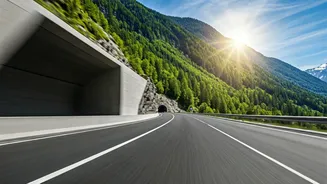
The single biggest game-changer for weekend travel is the expansion of India's highway network. For travellers from the National Capital Region, the newly opened Delhi-Dehradun Expressway has been transformative. What was once a gruelling six-hour drive
is now a smooth 2.5-hour journey. This has brought popular destinations in Uttarakhand significantly closer. Mussoorie, once a journey that could take up to eight hours, is now reachable in about four. This means you can leave Delhi after breakfast and be checked into your hotel with mountain views in time for a late lunch. Further north, infrastructure like the Atal Tunnel has dramatically altered travel in Himachal Pradesh. By bypassing the treacherous Rohtang Pass, the tunnel has cut the journey from Manali to Keylong in Lahaul from about six hours to just two, making the once-remote Lahaul valley an accessible weekend option. Similarly, new expressways are set to slash the Delhi-Chandigarh travel time to just two hours, streamlining access to Shimla and other Himachali retreats. These projects are not just about speed; they bypass congested towns and accident-prone stretches, making the drive safer and more predictable.
All Aboard the Vande Bharat
It’s not just about the roads. Indian Railways' push with the semi-high-speed Vande Bharat Express trains is making rail travel a compellingly efficient alternative. These modern, comfortable trains connect major cities to key transport hubs that serve as gateways to the hills. The Vande Bharat service from Delhi's Anand Vihar to Dehradun, for instance, completes the journey in under five hours, offering a stress-free alternative to driving. Similarly, services to Chandigarh provide a fast link for those heading towards Shimla, Kasauli, or Chail. Passengers can work, relax, or enjoy the view, arriving at their destination refreshed and ready to explore, rather than exhausted from a long drive. With plans for more mountain railways announced in the 2026 budget, train travel to hilly regions is only set to become more integrated and convenient in the coming years.
Flights to Smaller Frontiers
For those truly short on time, India's Regional Connectivity Scheme, UDAN (Ude Desh ka Aam Naagrik), has been instrumental in improving air access to smaller towns. While the scheme has faced challenges with operational consistency, it has successfully put several hill destinations on the aviation map by reviving small airports. Airports in places like Kullu (for Manali), Shimla, and Pithoragarh in Uttarakhand have seen services that can turn a day-long road journey into a one-hour flight. Though flights to these high-altitude airfields can be subject to weather and commercial viability, when they operate, they are the ultimate time-saver for a quick weekend escape. This has made it feasible to consider a weekend in the Himalayas even from cities further away like Mumbai or Bengaluru, a possibility that was much harder just a few years ago.
The Downside of Easy Access
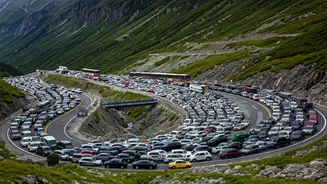
While increased efficiency is a boon for travellers, it has created new challenges for the hill stations themselves. The very infrastructure that makes travel easier has also led to a surge in tourist numbers, resulting in unprecedented overcrowding and traffic jams within the towns. Destinations like Mussoorie and Manali now grapple with vehicle influx that their narrow, colonial-era roads were never designed to handle. On long weekends, the main arteries of these towns can come to a complete standstill. This has pushed savvy travellers to adapt. Many now opt for off-season travel, explore lesser-known villages near the main towns, or choose weekdays for their getaways to enjoy the mountains without the crowds. The easier access demands smarter planning to truly reap the benefits.