



A Menu Transformed
The Indian café, long the domain of cappuccinos, croissants, and the occasional chilli cheese toast, is undergoing a significant transformation. Across urban hubs like Mumbai, Delhi, and Bengaluru, cafe menus are expanding eastward. It's no longer unusual
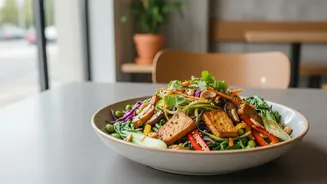
to find a steaming bowl of vegetarian miso ramen sitting next to an avocado toast, or delicate vegetable gyoza offered alongside classic cutlets. Dishes that were once the exclusive preserve of high-end, specialty Pan-Asian restaurants are now becoming accessible and everyday options. This includes vegetarian versions of Japanese sushi, Korean gochujang-laced bowls, and Vietnamese-style summer rolls, signalling a broader, more adventurous palate among Indian diners. This shift is democratising international vegetarian cuisine, moving it from a fine-dining experience to a casual Tuesday lunch.
The Pop Culture Palate
So, why is this happening now? A major driver is the powerful influence of global pop culture. The explosion of Korean dramas and Japanese anime on streaming platforms has introduced millions of Indians, particularly Gen Z and millennials, to new culinary worlds. Characters gathering for a bowl of ramen or sharing Korean barbecue has sparked immense curiosity. For many, trying these foods feels like participating in the culture they enjoy on screen. This curiosity quickly turns into demand, a trend confirmed by food delivery platforms that report massive annual growth in orders for Korean and Japanese dishes. Social media amplifies this effect, with visually appealing dishes like colourful sushi platters and perfectly arranged bibimbap bowls becoming viral sensations, prompting cafes to add these photogenic items to their menus.
Beyond Paneer and Potato
For India's large vegetarian population, this trend is a welcome evolution. For years, dining out often meant a predictable cycle of paneer, mushroom, and potato-based dishes. While traditional Indian vegetarian food is incredibly diverse, restaurant menus sometimes fell into a comfortable but limited pattern. The arrival of varied Asian vegetarian options provides a much-needed expansion of flavours and textures. Chefs are now celebrating ingredients like tofu, edamame, miso, and a wide array of exotic vegetables. This isn't just about substituting meat; it's about creating genuinely flavourful and authentic plant-based dishes that stand on their own. This new wave of vegetarian cooking is ingredient-focused, creative, and proves that meat-free dining can be anything but boring.
The New Definition of Comfort Food
Interestingly, many of these Asian dishes are finding a place in the Indian heart as a new form of comfort food. A warm, brothy bowl of ramen or pho offers the same soul-soothing satisfaction as a bowl of dal. This resonates deeply in a country where food is closely tied to emotion and well-being. Cafes are becoming spaces where a diner can satisfy a craving for something exotic and new, yet comforting and familiar in its essence. It reflects a modern Indian diner who is globally aware and locally rooted. They might want a Korean-inspired bun one day and a classic rajma bowl the next, and increasingly, they can find both at the same place. This fusion of offerings caters perfectly to groups and families where tastes often vary widely.