
As winter arrives, our kitchens turn to comforting, warming foods. Enter bajra, or pearl millet, a traditional Indian grain that’s perfect for the season. This ancient superfood is making a comeback, and for good reason.
What Exactly Is Bajra?
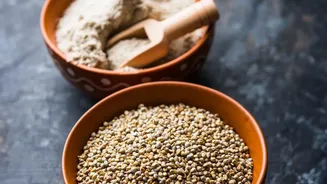
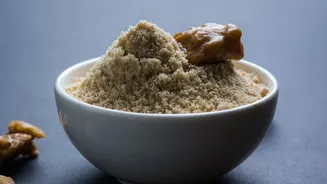
Bajra, also known as pearl millet,
is one of the oldest cultivated grains in India and Africa. For generations, it has been a staple food, especially in the arid and semi-arid regions of Rajasthan, Gujarat, and Haryana, thanks to its ability to thrive with little water. It's a tiny, nutrient-dense seed with a slightly nutty, earthy flavour. While it was once seen as a rural staple, bajra is now celebrated across urban India as a 'nutri-cereal' for its impressive health profile and because it is naturally gluten-free.
The Ultimate Winter Superfood
There’s a reason our grandmothers insisted on bajra during colder months. Traditional wisdom and modern science agree on its benefits. Bajra is considered a 'warming' food in Ayurveda because it's rich in starch, which the body breaks down slowly, providing sustained energy and increasing blood circulation to help maintain body temperature. It's packed with nutrients, including high levels of protein, dietary fibre, iron, magnesium, and phosphorus. The high fibre content keeps you feeling full for longer, helping to curb winter snacking habits. Its low glycemic index also means it releases sugar into the bloodstream slowly, making it an excellent choice for managing blood sugar levels and avoiding energy slumps.
Classic Bajra Roti
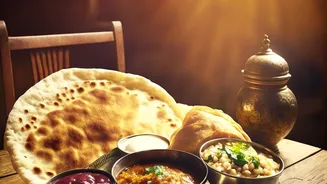
The most beloved way to eat bajra is in the form of a roti or bhakri. Making these gluten-free flatbreads can seem tricky, but the key is using hot water and kneading the dough while it's still warm. This helps create a pliable dough that’s easier to handle. Simply mix bajra flour with hot water and a pinch of salt. Knead it for a few minutes until smooth, then divide it into balls. Traditionally, the roti is patted into shape by hand, but you can also gently roll it out between two sheets of parchment paper. Cook on a hot tawa until small brown spots appear on both sides. Serve it hot, generously smeared with white butter or ghee and accompanied by a piece of jaggery or a spicy garlic chutney.
Hearty Bajra Khichdi
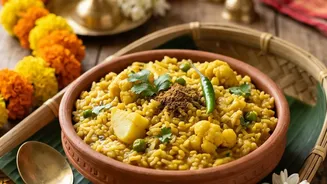
For a comforting one-pot meal, nothing beats Bajra Khichdi. This nourishing dish combines coarsely ground bajra with moong dal, creating a creamy and digestible porridge that's perfect for a cold night. To make it, you first need to pulse the bajra grains in a mixer to break them down slightly. Then, pressure cook the coarse bajra and soaked moong dal with water, turmeric, and salt for about 4-5 whistles. The magic happens in the final step: a tempering (tadka) of ghee, cumin seeds, asafoetida (hing), and ginger is poured over the cooked khichdi. You can also add winter vegetables like peas and carrots for extra nutrition.
Warming Bajra Raab
Less common but equally wonderful is Bajra Raab, a warm, soup-like traditional drink from Gujarat and Rajasthan. It's especially popular as a remedy for colds and as a nourishing drink for new mothers. The recipe is simple: roast bajra flour in a little ghee until it releases a nutty aroma. Then, add spices like dry ginger powder, ajwain (carom seeds), and pepper powder. Whisk in water and jaggery, and let it simmer for a few minutes until it thickens into a pourable consistency. Served hot, this sweet and spicy beverage is deeply comforting and helps boost immunity during the winter.