






Plan Your Menu and Guest List
The single most effective way to control food costs is to plan. Before you buy a single ingredient, create a detailed menu for the main festive days. Consider the number of guests you realistically expect. While RSVP's are not common in many Indian households,
having a rough headcount can prevent massive over-preparation. A smart menu also allows you to audit your pantry and fridge first, ensuring you only buy what you truly need. This simple step prevents impulse buys and reduces duplicate purchases.
Embrace Smart Shopping Strategies
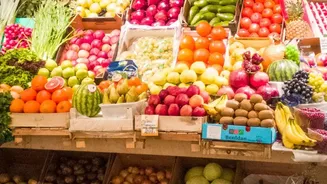
Once you have your list, it's time to shop smartly. Buying non-perishable staples like rice, atta, dals, and cooking oils in bulk can lead to significant savings compared to buying smaller packs. For these items, consider wholesale stores or value packs on online platforms. However, for fresh produce, it's often better to buy in smaller quantities to avoid spoilage. Always compare prices between online apps and your local markets, as deals can vary. Sticking strictly to your shopping list is crucial to avoid the temptation of festive offers on items you don't need.
Make Sweets and Snacks at Home
Store-bought sweets and snacks are a major festive expense. This year, consider channelling your inner chef. Preparing traditional sweets and savoury snacks at home is not only more economical but also allows you to control the quality of ingredients and sugar levels. You can focus on making a few high-quality treats that your family truly enjoys rather than buying a wide assortment of expensive pre-packaged items. This adds a personal touch to your celebrations that guests are sure to appreciate.
Minimise Food Waste with Portion Control
Food waste is a hidden cost that can inflate your budget. In the enthusiasm of a celebration, plates can be overloaded, leading to a significant amount of uneaten food. To counter this, serve food in smaller portions, allowing guests to take seconds if they wish. Using smaller serving spoons and dishes can also help manage portion sizes naturally. If you do have leftovers, get creative. Leftover curries and rice can be transformed into fried rice or stuffed parathas, while crumbled sweets can be used as dessert toppings.
Get Creative with Leftovers and Scraps
Beyond just repurposing leftover meals, think about using ingredient scraps. Vegetable peels from potatoes, for instance, can be roasted until crispy and served as a chip for dips. Leftover greens or carrot tops can be blended into a flavourful pesto or chutney. Day-old bread can be toasted with olive oil and seasoning to make croutons or crackers. This root-to-stem approach not only stretches your budget but is also an environmentally conscious way to manage your kitchen during a time of abundance.
Share the Load with a Potluck
Hosting can be expensive, but you don't have to bear the entire cost alone. For more informal gatherings with friends and extended family, consider organising a potluck. This approach allows everyone to contribute a dish, creating a diverse and exciting menu without placing the financial burden on one household. It fosters a wonderful communal spirit, turning the meal itself into a shared celebration of everyone's culinary skills.