




The Monsoon's Sacred Bounty
The month of Shravan, dedicated to Lord Shiva, coincides with the peak of the monsoon season. This alignment is no coincidence; it’s a period where nature’s cycles influence spiritual practice. The diet traditionally shifts towards 'satvik' foods—light,
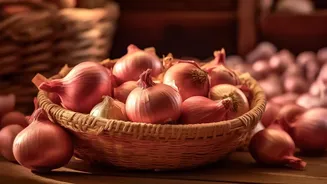
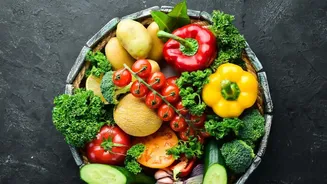
pure, and easy to digest. This is a practical response to the season, as Ayurvedic wisdom suggests that digestive strength (Agni) is weaker during the humid monsoon months. Consequently, foods like meat, onions, and garlic are typically avoided. Instead, the focus turns to a vibrant array of seasonal vegetables, fruits, and specific grains that are both nourishing and spiritually appropriate for this time of devotion and fasting.
A Complicated Affair with Greens
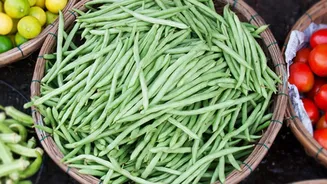
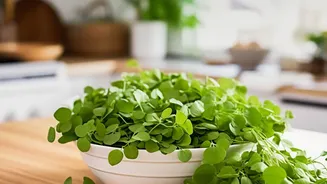
Interestingly, while markets are full of fresh produce, there is a traditional caution around consuming leafy greens (saag) during Shravan. Ayurvedic tradition often advises against them, suggesting they can aggravate the system during the monsoon. The scientific reasoning behind this is that the high humidity and damp conditions can make leafy vegetables more susceptible to pests and bacteria, which are harder to clean off. However, this doesn't mean all greens are off the table. Many households simply take extra care, favouring vegetables that grow on vines, like bottle gourd (lauki) and various other gourds, which are considered lighter and safer. Amaranth leaves (rajgira bhaji) are also a popular choice, valued for being both nutritious and appropriate for the season.
Fruits of the Fasting Season
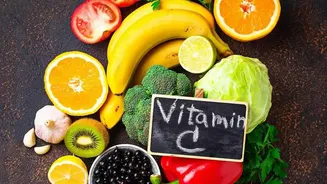
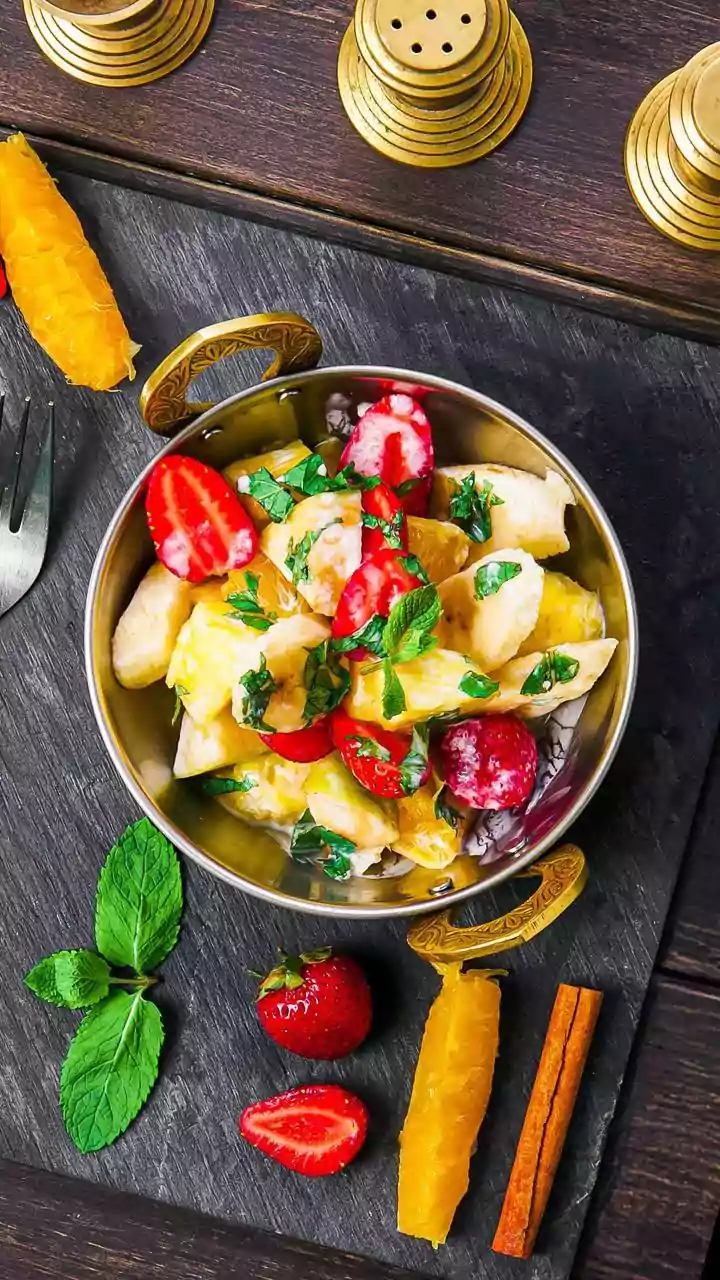
For the many who observe fasts (vrat or upvas) during Shravan, especially on Mondays (Somvar), fruits are an essential source of energy. Stalls overflow with seasonal delights that provide natural sugars, vitamins, and hydration. Bananas, apples, and pomegranates are common staples. Depending on the region, you might also find juicy pears, plums, and the creamy sweetness of custard apples (sitaphal). These fruits are not just for breaking fasts; they are integrated into daily meals, often in the form of fruit salads or consumed with dairy products like curd and milk to create fulfilling and refreshing dishes that sustain devotees throughout the day.
The Humble Tuber's Time to Shine
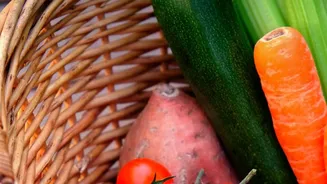
Root vegetables and tubers become the unsung heroes of the Shravan kitchen. Potatoes, sweet potatoes (ratali), and colocasia root (arbi) are central to fasting cuisine. Rich in carbohydrates, they provide sustained energy, which is crucial during a fast. These versatile vegetables are prepared in a multitude of ways. A simple boiled potato dish with rock salt (sendha namak), a spicy sweet potato chaat, or crispy fritters made from special fasting flours like buckwheat (kuttu) or water chestnut (singhara) are common preparations. Another star is sabudana (tapioca pearls), which, though not a vegetable, is a fasting staple used to make everything from savoury khichdi to sweet kheer.
More Than Just Ingredients
Shopping for Shravan is a cultural experience in itself. It is a time when culinary traditions are passed down, with families seeking out specific ingredients for age-old recipes. The markets become a hub of community and shared faith. The month is not just about dietary restrictions but about a mindful shift in lifestyle—embracing simplicity, purity, and a closer connection to both nature and spirituality. The foods eaten are meant to purify the body and calm the mind, supporting the month's spiritual observances. From special flours like rajgira (amaranth) to rock salt, every item has its place in the Shravan diet, turning a trip to the market into a deeply meaningful errand.