




Humidity: The Invisible Enemy in Your Kitchen
Especially during the monsoon season in India, the air becomes thick with moisture. This humidity is the primary adversary of your spice collection. Spices, particularly when ground, are hygroscopic, meaning they naturally absorb moisture from the surrounding
air. This process is easy to see with salt, which clumps notoriously in damp weather, but the same science applies to your turmeric, chilli powder, and garam masala. When these powders pull water from the atmosphere, they begin a process of degradation that affects their texture, flavour, and even safety. The warmth of a kitchen further accelerates this issue, creating an ideal breeding ground for unwanted microscopic guests.
The Science of Spice Spoilage
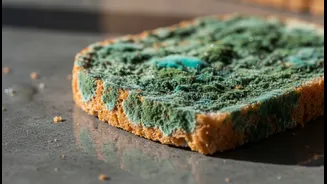
When moisture content rises, two major problems occur. First, the essential oils that give spices their vibrant aroma and flavour begin to break down and oxidize. Ground spices are especially vulnerable because grinding increases the surface area exposed to air and moisture, accelerating this flavour loss. You might notice you need to use more and more spice to achieve the same taste. The second, more concerning issue is what the headline calls “microbial degradation clusters.” In simpler terms, this is mold and bacterial growth. Excess moisture creates favourable conditions for these microorganisms to thrive. This not only ruins the spice but can also lead to the production of mycotoxins, which are harmful compounds that can cause food-borne illnesses.
Why Mason Jars Are the Ideal Solution
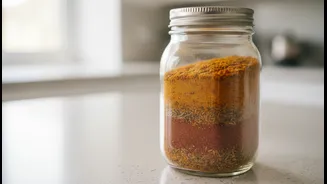
To combat moisture, you need a truly airtight barrier, and this is where mason jars excel. Unlike many standard spice containers with loose-fitting lids, a classic mason jar uses a two-part lid system: a flat disc with a rubberized ring and a screw-on band. When sealed correctly, this creates a vacuum-tight lock that is impermeable to air and humidity. Glass is also a superior material for storage because it is non-porous and non-reactive. This means it won't absorb odours or flavours from the spices inside, and it won't leach any chemicals into them, ensuring the purity of your masalas. Studies have shown that spices stored in airtight containers can retain up to 95% of their essential oils over several years, compared to massive losses in paper bags or poor-quality containers.
Best Practices for Perfect Spice Storage
While a mason jar is a powerful tool, using it correctly is key. To maximize the life and potency of your spices, follow these simple rules. First, ensure jars are completely clean and dry before filling. Even a single drop of water can introduce moisture and defeat the purpose. Store your filled jars in a cool, dark place like a cabinet or pantry, away from the heat and steam of your stove and direct sunlight. Light and heat are also enemies of spice potency. When you cook, never shake spices directly from the jar over a steaming pot; the steam will travel into the jar and cause clumping. Instead, use a dry spoon to portion out what you need. For an extra layer of protection in very humid areas, you can even add a few grains of uncooked rice to your jars to act as a natural moisture absorber.