






A New STRIDE in Mars Exploration
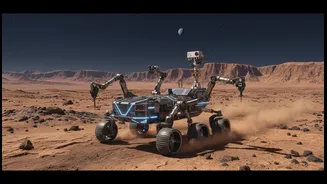
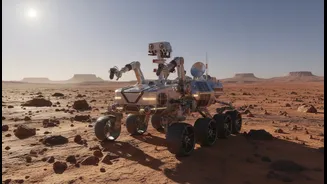
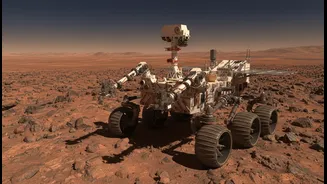
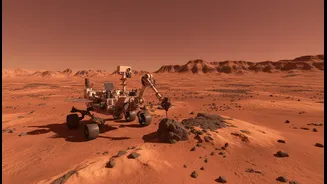
In early July, NASA announced it had selected seven companies for its Science Transport and Robotic Innovation for Deployment and Exploration (STRIDE) initiative. These are not contracts to build the next Mars rover just yet, but rather to fund studies
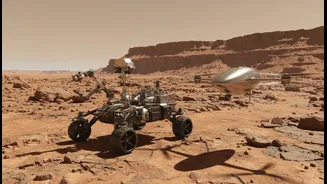
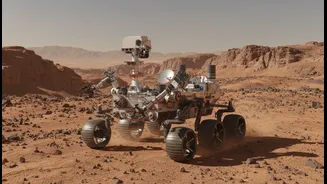
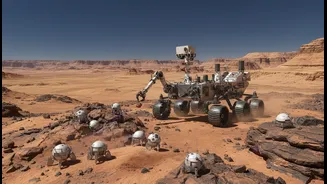
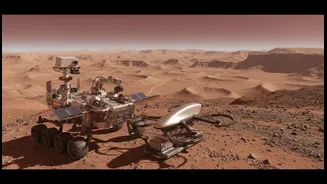
for the next generation of robotic mobility systems. The goal is to develop technologies that can travel farther and access challenging Martian terrain that has been out of reach for rovers like Curiosity and Perseverance. The companies selected include a mix of established aerospace giants and innovative newer players: AeroVironment, Astrobotic, Venturi Astrolab, Ground Control Robotics, Honeybee Robotics, Intuitive Machines, and MEI Technologies. Each will contribute unique concepts for future surface and even aerial exploration, with the contracts drawing from a total estimated fund of $17 million.
The Gain: Unlocking a New Mars
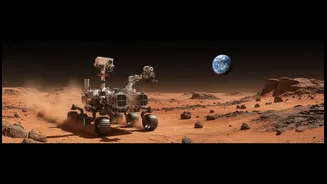
The immediate gain for science and exploration is the promise of access. Current rovers, while incredibly successful, are limited by terrain. Steep crater walls, rugged highlands, and regions with loose sand are largely no-go zones. The STRIDE initiative aims to solve this by fostering innovation in everything from advanced wheel and leg designs to aerial drones that could scout ahead or explore otherwise unreachable areas. If successful, these new systems would allow scientists to investigate scientifically rich locations that could hold clues about Mars's past habitability and geological history. For space and robotics enthusiasts, this means the prospect of more ambitious missions, more stunning images from the Martian surface, and a faster pace of discovery. This initiative isn't just about building a better robot; it's about fundamentally expanding the scope of what we can do on another world.
A Strategic Shift for NASA
These contracts also represent a significant strategic shift for NASA, continuing a trend of partnering with the commercial sector. Much like the Commercial Crew program that now sends astronauts to the International Space Station via companies like SpaceX, NASA is looking to buy services and capabilities rather than managing every aspect of mission development in-house. This public-private partnership model is designed to drive down costs, accelerate timelines, and inject a dose of commercial-sector innovation and competition into planetary exploration. By funding multiple studies from different companies, NASA creates a competitive environment that encourages bold ideas and cost-effective solutions, ultimately aiming to get more science done for every taxpayer dollar spent.
What Still Needs Checking
Despite the excitement, there are critical points that still need checking. Firstly, these are just concept studies. There is no guarantee that any of these innovative designs will translate into a fully-funded mission that actually lands on Mars. The journey from a promising concept to a flight-ready, space-hardened robot is long, expensive, and fraught with technical hurdles. Secondly, while the commercial approach promises cost savings, Mars missions remain incredibly expensive and high-risk endeavours. The overall budget for NASA’s Mars Exploration Program will be a key factor in determining which, if any, of these concepts move forward. Finally, it remains to be seen how these new mobility platforms will integrate with NASA’s broader, long-term goals for Mars, which include the highly complex and costly Mars Sample Return mission and the eventual human exploration of the planet.
The Global Context
While these NASA contracts are an American initiative, they unfold within a global context of renewed interest in Mars. Nations around the world are pushing the boundaries of interplanetary exploration. For audiences in India, which celebrated the monumental success of its own Mars Orbiter Mission (Mangalyaan), this news is a reminder of the collaborative and competitive spirit driving humanity's push into the cosmos. As ISRO plans its own future missions, including potential landers and rovers, the technological and strategic developments from NASA’s STRIDE program will be watched closely. The race to uncover the secrets of Mars is a global one, and this new commercial push by NASA is simply the latest exciting chapter.