


The Initial Chaos of Splatter
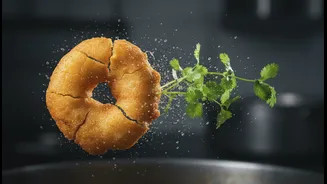
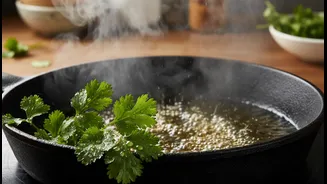
The dramatic hissing and spitting that occurs when wet coriander meets hot oil is a rapid, violent physical reaction. Oil used for frying is typically heated to between 175°C and 205°C, well above the 100°C boiling point of water. When damp leaves are
introduced, the water droplets, which are denser than oil, sink. In an instant, the intense heat causes this water to flash into steam. This phase change involves a massive expansion in volume—liquid water expands by roughly 1,600 times as it becomes steam. This explosive expansion forces its way up through the oil, causing the aggressive pops and splatters that send hot grease flying. This is not just messy; it's the first sign that your cooking process is being compromised.
The Temperature Nosedive
Beyond the splatter, the biggest problem is the drastic drop in the oil's temperature. Water has a very high specific heat capacity, meaning it requires a lot of energy to raise its temperature. When you add damp greens to your pan, the oil must expend a huge amount of its thermal energy just to heat the water to its boiling point and then convert it into steam. This energy transfer effectively robs the oil of its heat, causing the overall temperature in the pan to plummet. Even a small amount of water can have a significant cooling effect. Instead of a stable, high-heat environment perfect for frying, you are left with lukewarm oil that can't cook the food properly.
Sabotaging Flavour and Texture
That sudden drop in temperature is the enemy of flavour and crispiness. The delicious browning and complex, roasted aromas we associate with fried foods are a result of the Maillard reaction. This chemical reaction between amino acids and sugars kicks into high gear at temperatures above 140°C. When water lowers the oil's temperature to near 100°C, the Maillard reaction slows to a crawl or stops entirely. Instead of frying, the coriander begins to steam and boil in its own water. This process doesn't create a crisp texture; it results in limp, soggy greens. The food also absorbs more oil as it sits in the cooler fat, leading to a greasy and unpleasant final product.
The Path to Perfectly Fried Herbs
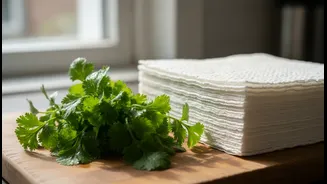
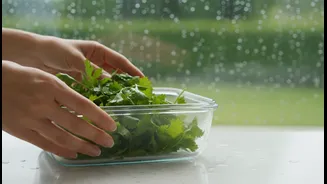
The solution is simple but non-negotiable: your coriander must be completely dry. After washing your greens, take the time to remove every last bit of moisture. The most effective method is using a salad spinner, which uses centrifugal force to fling water off the leaves. If you don't have one, you can thoroughly pat the leaves dry between layers of paper towels or a clean kitchen cloth. Be gentle but firm to absorb as much surface water as possible. For those who are extra diligent, spreading the patted-dry leaves on a tray for a few minutes to air-dry can also be very effective. This simple preparatory step ensures that when the coriander hits the pan, it fries instantly, becoming fragrant and crisp without destabilising the oil's temperature.