







A Finishing Touch for Kharif Crops
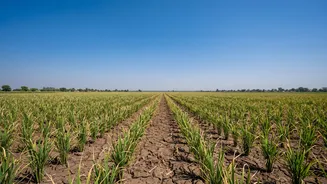
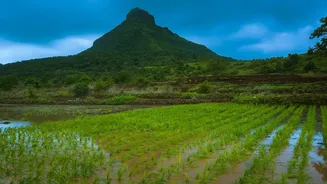
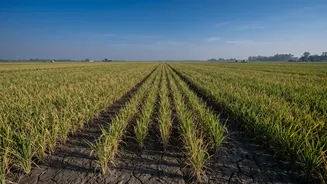
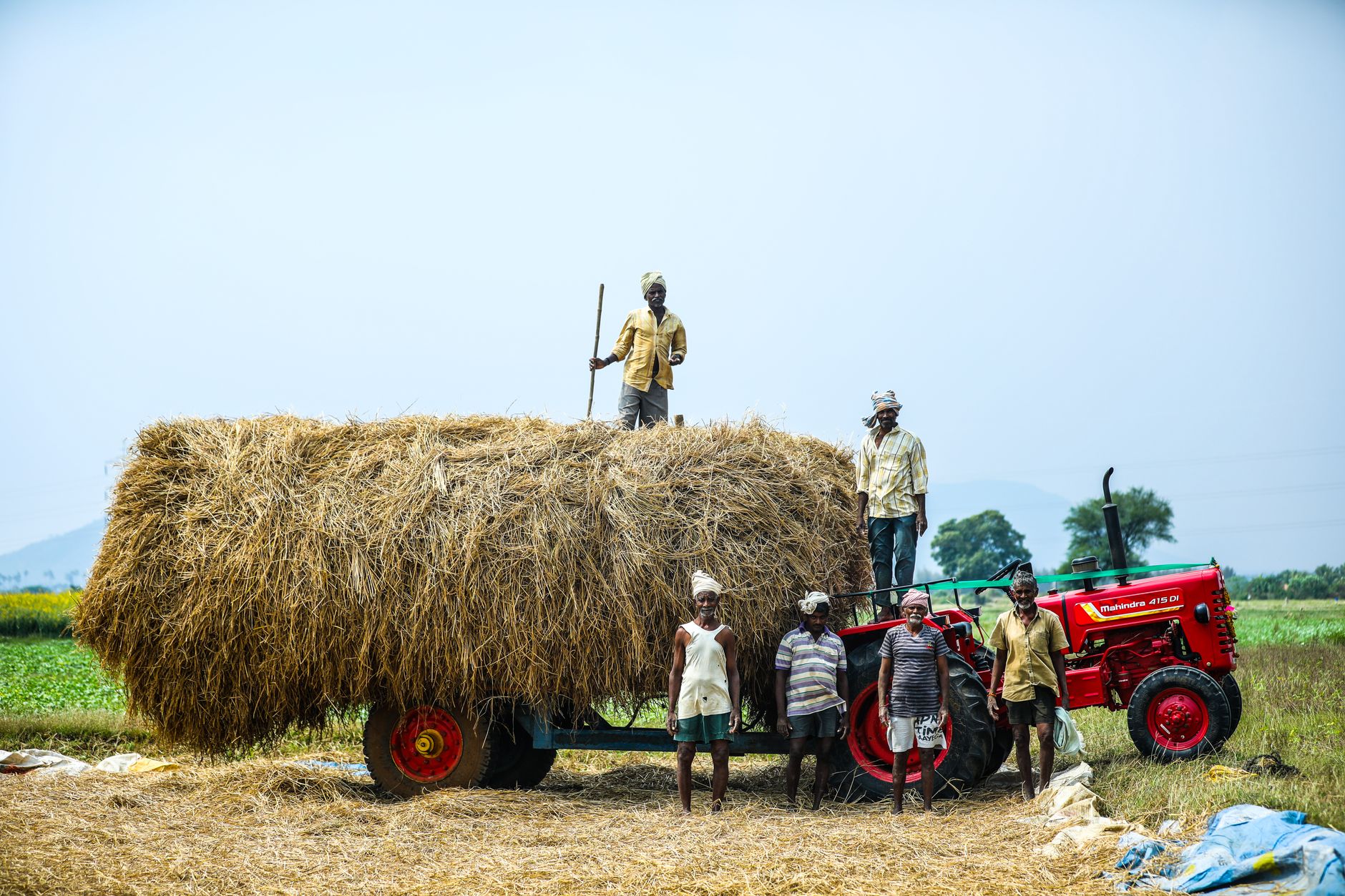
The Kharif or monsoon season, which runs from June to September, sees farmers cultivate essential crops like rice, maize, soybean, and cotton. While much of the growing cycle is complete by late August, many of these crops are in their final, crucial
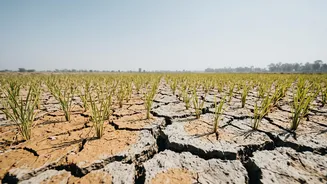
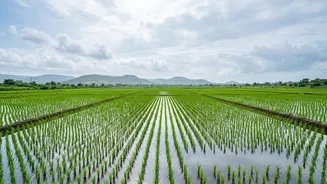
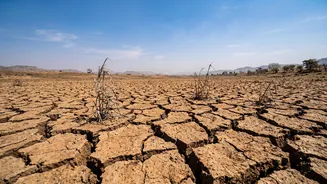
stage of development. September rain provides the last burst of hydration needed for grain filling and maturation. For paddy (rice), this late-stage water is vital for ensuring the grain develops fully, directly impacting the final yield and quality. For other crops like soybeans and cotton, these showers can be the difference between a healthy harvest and one diminished by moisture stress. A dry end to the monsoon can stunt growth and significantly reduce the output that farmers have worked months to cultivate.
Setting the Stage for the Rabi Season
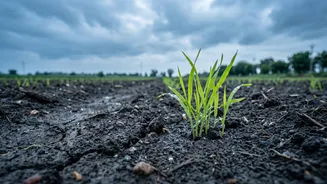
Perhaps the most significant role of September rain is preparing the ground for the next agricultural cycle: the Rabi or winter season. The success of Rabi crops like wheat, mustard, and gram, which are sown from October onwards, is highly dependent on the amount of residual moisture left in the soil after the monsoon. September showers act as a final, deep recharge for the soil, creating the ideal conditions for sowing. Without adequate soil moisture, farmers may have to delay planting or spend more on irrigation, which isn't an option for everyone. A well-watered soil in September ensures that Rabi seeds can germinate properly, giving the winter crops a strong and healthy start. This makes the late monsoon rains a crucial bridge between India's two primary cropping seasons.
Replenishing Lifeline Water Sources
Beyond the immediate needs of the fields, September rainfall is essential for replenishing India's water reservoirs, dams, and groundwater tables. These water bodies are filled by the monsoon and supply the country with water for drinking, industry, and, crucially, irrigation during the dry winter and summer months. A strong finish to the monsoon ensures that reservoirs reach their maximum capacity, providing a buffer against future water scarcity. This is especially important in years when rainfall has been erratic or deficient in June and July. The water stored thanks to September's contribution is what powers irrigation systems for the upcoming Rabi crops and can even support an additional summer crop in some regions, bolstering national food security.
A Fine Balance Is Key
While crucial, the timing and intensity of September rain must strike a delicate balance. A moderate, well-distributed spell is immensely beneficial. However, excessive or torrential rain in late September can be counterproductive. Heavy downpours can damage standing Kharif crops that are ready for harvest, causing lodging (where the crop bends over) in paddy fields and damaging cotton bolls. It can also lead to waterlogged fields, which delays harvesting and can create favourable conditions for pests and diseases. This highlights the precarious nature of agriculture, where the same element—rain—can be a blessing or a curse depending on its measure and timing. A deficit is worrying, but a sudden, intense surplus also brings its own set of challenges for farmers.