
The Great Indian Protein Pivot
For generations, the Indian diet has relied on a robust foundation of legumes and dairy for its protein needs. Yet, studies have highlighted a persistent protein gap, with some reports suggesting a significant portion of the population may not be meeting
their daily requirements. This growing awareness, coupled with a global shift towards wellness and sustainable eating, is driving a change in our kitchens. Urban millennials and Gen Z, in particular, are leading the charge, seeking out nutrient-dense, plant-forward options. The result is a booming market for plant-based foods in India, growing faster than the global average and encouraging a new wave of culinary exploration.
Hemp Seeds: The Comeback Kid
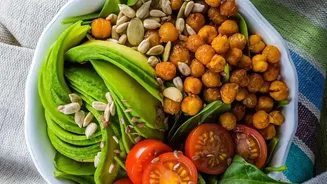
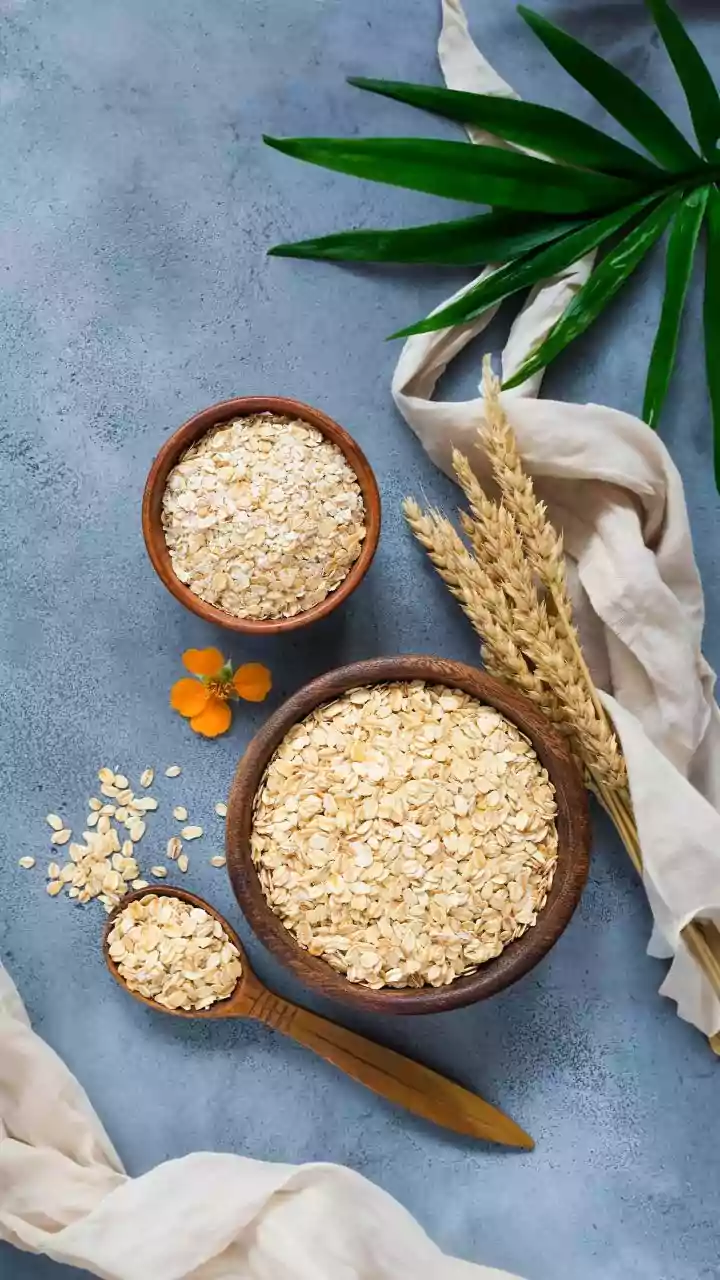
Once relegated to traditional remedies, hemp seeds, or 'bhang ke beej', are making a major comeback. Legally approved for sale as a food item by the FSSAI, hemp hearts (shelled seeds) are being celebrated for their exceptional nutritional profile. They are a complete protein, meaning they contain all nine essential amino acids, and are packed with healthy omega-3 and omega-6 fatty acids. Their mild, nutty flavour makes them incredibly versatile. You can sprinkle them over oatmeal or salads, blend them into smoothies, or even mix them into the dough for rotis and parathas for an easy protein boost.
Quinoa: The Ancient Grain for Modern Meals
Quinoa has firmly established itself as a modern pantry staple in India. Though technically a seed, it's cooked and eaten like a grain and stands out as another complete plant protein. Its versatility is its greatest strength. It can seamlessly replace rice in dishes like pulao and biryani, offering a fluffy texture and nutty taste. Creative Indian cooks are using it to make everything from upma and khichdi to dosa and curd quinoa, proving that this ancient South American superfood feels right at home with Indian flavours.
Chia Seeds: Small but Mighty
Often compared to sabja (basil seeds), chia seeds have carved out their own niche. While both form a gel when soaked, chia seeds pack a slightly higher protein punch and are a richer source of omega-3 fatty acids. Their ability to absorb liquid makes them a fantastic thickening agent for puddings and gravies. They can be added to water for a hydrating drink, sprinkled on fruit, or blended into batters for pancakes and muffins, offering a simple way to add protein and fibre to any meal.
The Classics, Reimagined
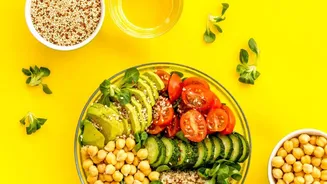
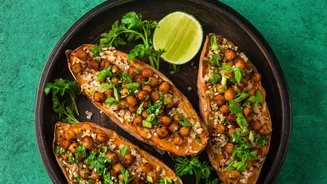
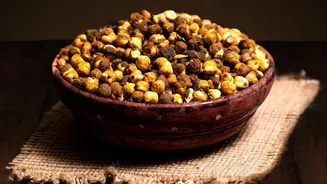
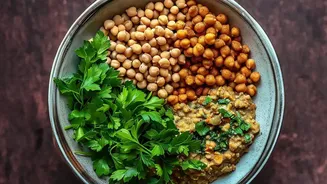
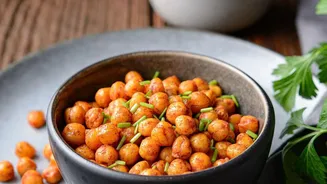
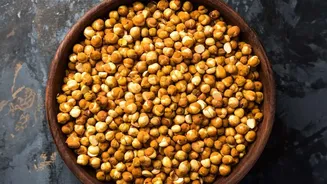
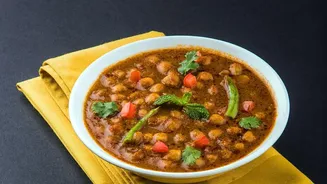
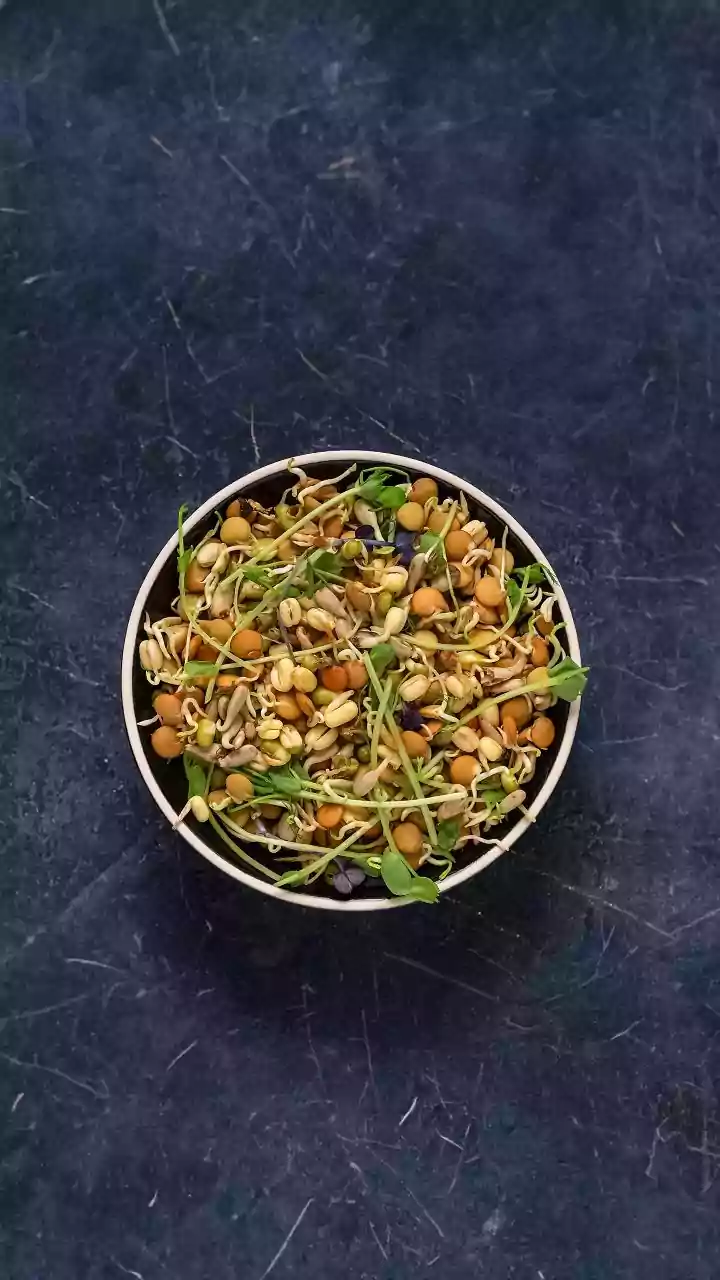
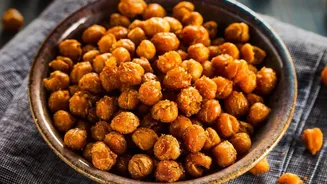
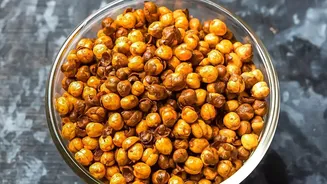
The quest for protein isn't just about new ingredients; it's also about finding innovative uses for the old faithfuls. Chickpeas (chana) are moving beyond the curry. Chickpea flour, or besan, is being used to whip up savoury pancakes called pudla, while roasted chickpeas have become a popular high-protein snack. Lentils (dal), the cornerstone of Indian cuisine, are also being seen in a new light. Beyond the traditional dal tadka or sambar, lentils are being used to stuff vegetables, form the base of hearty salads, and even add body to one-pot rice dishes like khichdi, demonstrating their enduring versatility.