








From All-Inclusive to All-Immersive
For decades, the peak travel experience was often defined by convenience and amenities—think ski-in/ski-out resorts, organised entertainment, and bustling town centres. But a significant trend is emerging, particularly among Gen Z and Millennial travellers.
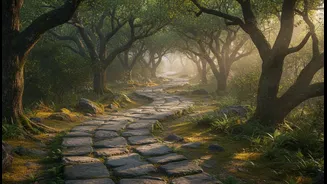
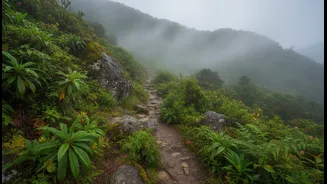
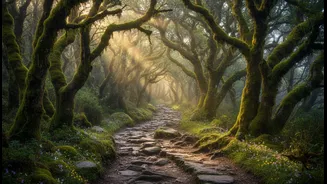
Instead of pre-packaged fun, many are now seeking immersive journeys. This has given rise to “slow travel,” a philosophy that encourages longer stays in one place to foster a genuine connection with the local culture, environment, and community. It's a move away from ticking off a checklist of sights and toward collecting meaningful experiences. This mindset also fuels the rise of spiritual tourism, where the goal isn't just relaxation but also personal growth, mindfulness, and a sense of purpose. Destinations like Rishikesh, for instance, now see a majority of their visitors from these younger demographics.
The Search for Authenticity and Purpose
A key driver of this shift is a deep-seated desire for authenticity. Younger generations increasingly prioritize experiences over material possessions, and this extends to how they travel. Many feel that commercial resorts offer a standardized, often sterile environment that lacks a genuine sense of place. In contrast, spiritual paths and slow-travel destinations provide an opportunity for unscripted moments and real connections. This can mean learning to cook a local dish, volunteering on a community project, or simply spending time in nature. After years of digital saturation and pandemic-related stress, many young people are using travel as a tool for mental and emotional well-being, seeking peace and reflection in quieter settings. This has led to the popularity of 'shrinecations'—trips that blend pilgrimage with leisure and adventure.
The Burnout Backlash
The pressures of modern work culture are another powerful catalyst. With high rates of reported workplace burnout, many young Indians are rethinking their relationship with rest. The idea of a frantic, packed vacation can feel more like an extension of a high-stress lifestyle than a true escape. Slow travel offers an antidote, providing the time and space to genuinely disconnect and recharge. Some travellers are extending work trips into 'bleisure' or taking longer 'workations' from serene locations, blending professional life with personal renewal. This approach fundamentally rejects the idea that a holiday must be a fast-paced whirlwind, and instead reframes it as a necessary period of recovery and self-care.
Sustainability and Economic Sense
Practical considerations also play a significant role. Gen Z is noted for being highly conscious of their environmental impact. The carbon footprint of large-scale resort tourism is a growing concern for many, who prefer to support smaller, locally-owned businesses and eco-friendly accommodations. They actively seek destinations that protect nature and support local communities. There's also the financial angle. While not always the case, slow travel can often be more budget-friendly. Staying in one place for an extended period, perhaps in a homestay or rental, can be more economical than the daily rates of a luxury hotel and the costs of moving between multiple destinations. For a generation focused on value and experiences, this makes slow and spiritual travel an attractive proposition.
The Digital Paradox
Interestingly, this move toward unplugged experiences is often powered by digital tools. Social media platforms and travel influencers have been instrumental in popularizing remote treks and spiritual centers that were once considered off-the-beaten-path. Digital booking platforms have made it easier than ever to plan trips to destinations like Tirupati, Ujjain, or Amritsar, which are seeing a surge in young visitors. Recent data shows that travellers in the Gen Z and young adult demographic accounted for more than half of all journeys to spiritual destinations in India. While many seek to disconnect from their devices during the trip itself, technology is the gateway that makes these journeys accessible and appealing in the first place.