



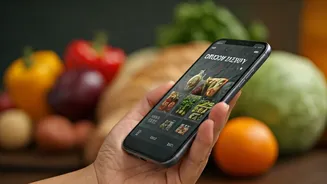



The Kitchen Crisis Averted
Remember the old drill? A frantic call to your spouse to pick it up on their way home, a hurried trip to the corner kirana store, or simply making do without. That minor panic, the brief disruption to the rhythm of cooking dinner, was a shared, relatable
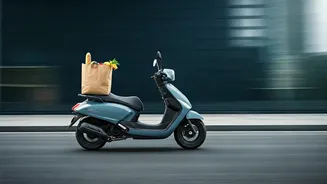
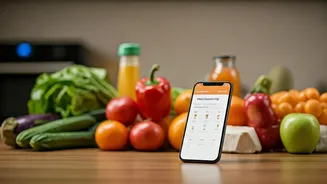
experience in households across India. Forgetting a key ingredient, whether it was the ginger for the chai or the Eno for an upset stomach, could derail a meal or an evening. Today, that drama has been replaced by a few taps on a smartphone. Within minutes, a delivery partner arrives with the missing item, and the crisis is over before it even began. The SOS call has been replaced by a seamless digital solution, turning a potential disaster into a footnote in your evening.
The 10-Minute Revolution
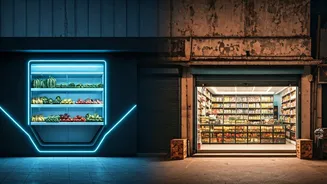
This shift is powered by the quick commerce, or q-commerce, boom. Platforms like Blinkit, Zepto, and Swiggy Instamart have fundamentally changed urban India's relationship with shopping. The market, valued at over USD 5.92 billion in 2026, is built on a network of 'dark stores'—hyperlocal warehouses packed with essentials, strategically placed to ensure delivery within 10 to 30 minutes. This model, which has seen explosive growth, has captured a significant share of the e-grocery market. Blinkit currently leads the market, but the competition with Zepto and Instamart is fierce, pushing them all to optimize for speed and availability. Consumers have quickly adapted, with the expectation of near-instant fulfillment becoming the new normal in many cities.
A New Kind of Pantry
This unprecedented convenience is reshaping consumer psychology and habits. The traditional practice of weekly bulk buying and meticulous meal planning is giving way to a more spontaneous, 'on-demand' approach to stocking the kitchen. Why buy a large bunch of bananas that might over-ripen when you can get two fresh ones delivered just when you want them? This new model has been described as a shift from a 'plan-and-execute' to a 'feel-and-react' pattern of consumption. While this can reduce food waste from over-purchasing, it also encourages impulse buys. The kitchen pantry, for many, is no longer a physical space but a virtual one, perpetually stocked and just a click away. This has even been shown to create incremental demand, where the ease of access encourages people to buy items they might otherwise have skipped.
More Than Just Milk and Onions
While groceries and staples still dominate the q-commerce market, making up a significant portion of orders, the platforms have rapidly expanded their catalogues. What started with delivering milk and bread has now evolved to include everything from emergency chargers and stationery to over-the-counter medicines and beauty products. This expansion into higher-margin categories is a key strategy for these companies as they push towards profitability. For the consumer, it means the 10-minute delivery solution is no longer just for forgotten food items; it's for a much wider range of everyday needs, further embedding these services into the fabric of daily urban life.
Is There a Catch?
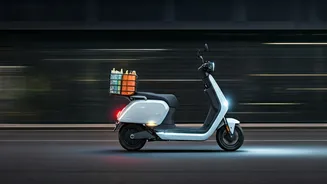
The convenience is undeniable, but it's worth considering the broader impact. The quick commerce model faces challenges related to long-term sustainability, including high operational costs and the environmental footprint of frequent, small-scale deliveries. There is also the significant human element: the intense pressure on delivery partners to meet tight deadlines. Furthermore, the rise of these platforms is altering the landscape for traditional kirana stores, which have long been the backbone of local communities. While some local shops are partnering with these platforms, others face stiff competition from the convenience and pricing that quick commerce offers.