



Carve Out Your Drying Zone
The first rule of surviving monsoon mess is to contain it. Designate a specific area near your main entrance as the official 'drying zone'. This doesn't have to be a separate room; it can be a corner of your foyer, a small section of your balcony, or even
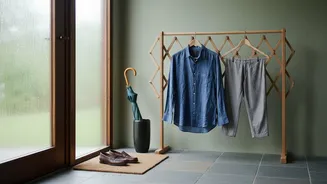
just a designated wall space. The goal is to create a spot where wet items can be dealt with immediately upon entering, preventing water and mud from being tracked through the house. Using highly absorbent doormats at the entrance is your first line of defence. Placing a waterproof tray or a plastic runner in this zone will protect your floors from puddles and potential damage, making cleanup significantly easier.
A Smart Solution for Shoes
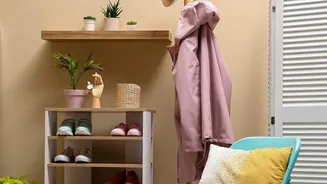
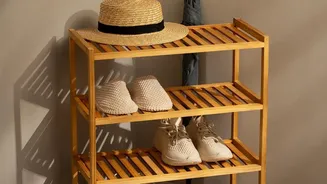
Rain-soaked shoes are a primary culprit for dampness and musty odours. Instead of a pile of footwear by the door, invest in a proper storage solution. An open, ventilated shoe rack is ideal because it allows air to circulate, which is crucial for drying. For very wet shoes, a boot tray is an excellent addition. You can even create a DIY version by filling a shallow tray with pebbles or gravel; this allows water to drain away from the soles, speeding up drying time and preventing shoes from sitting in a puddle. Place this tray right by the door for immediate drop-off. For hygiene, it's also a good practice to wipe down muddy footwear before placing it on the rack.
Taming the Dripping Umbrella
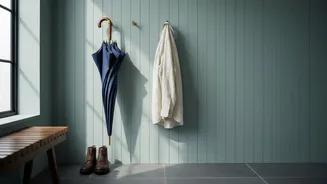
A wet umbrella can create a surprisingly large puddle in a short amount of time. Instead of leaning them in a corner where they can damage walls and create a slipping hazard, use a dedicated umbrella stand. Modern stands are often designed to be functional and stylish, adding to your entryway's decor while serving a critical purpose. Look for wireframe or ceramic designs that contain drips effectively. For smaller spaces, a simple bucket or a tall vase can work just as well. The key is to have a designated, waterproof container ready to catch the water, keeping your floors safe and dry.
Visibility and Airflow are Key
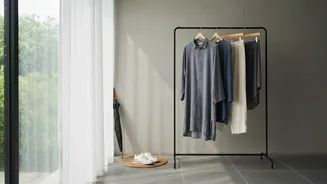
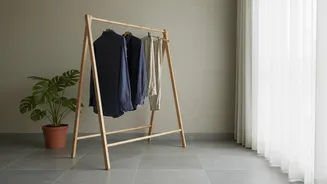
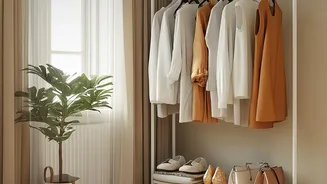
The headline's advice to keep things 'visible' is about more than just finding your things; it's about effective drying. Wet gear needs airflow to prevent the growth of mould and mildew, which cause unpleasant smells and can be a health concern. Open storage solutions like wall hooks, open cubbies, and ventilated racks are far better than closed cabinets for this purpose. Hanging raincoats and jackets on hooks with enough space between them allows air to circulate freely. This principle of visibility and ventilation is the secret to ensuring your monsoon gear is dry, fresh, and ready for its next use, rather than becoming a source of dampness in your home.
Maximising Small Spaces
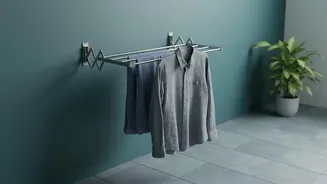
Living in an apartment doesn't mean you have to sacrifice order. There are many clever solutions for small entryways. Over-the-door racks with multiple hooks can provide ample hanging space for raincoats and bags without taking up any floor area. Wall-mounted shelves with hooks underneath offer a dual-purpose solution for storing smaller items and hanging jackets. Consider a foldable, multi-tiered drying rack that can be set up when needed and tucked away after. Even a simple, sturdy bench can be a game-changer; it provides a place to sit while removing wet shoes, and the space underneath can be used for shoe trays or storage baskets.