





From Go-Go to Go Slow
The classic weekend getaway once followed a familiar script: a frantic Friday exit from the city, followed by two days of sightseeing, socialising, and overindulgence, leading to a weary return on Sunday night. Now, a different kind of short holiday is gaining
momentum. Enter the wellness break—a two to four-day trip designed not for escapism, but for genuine restoration. This new approach sees young professionals and Gen Z travellers trading bustling tourist spots for serene retreats in destinations like Rishikesh, Kerala, and the Himalayas. Instead of coming back more tired than they left, the goal is to return recharged, centred, and better equipped to handle daily stress. This shift from passive sightseeing to proactive well-being marks a significant change in travel priorities.
The Burnout Generation Seeks a Reset
What’s driving this trend? In a word: burnout. The pressures of modern work culture, constant digital connectivity, and urban stress are pushing young Indians to seek holidays that offer more than just a temporary distraction. Many feel stuck in a draining loop of 'wake, work, scroll, sleep,' and are actively looking for a release valve. This has led to a rising demand for experiences that promise a mental and physical reset. According to recent travel trend reports, a staggering 93% of Gen Z travellers say travel improves their mental well-being, and 73% now plan trips specifically for wellness benefits like relaxation and self-care. The holiday is no longer an indulgence but has become a form of essential maintenance for the mind and body.
What a Wellness Weekend Looks Like
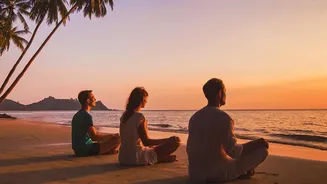
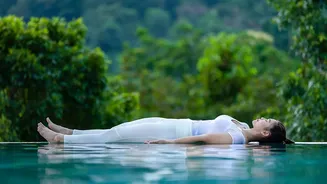
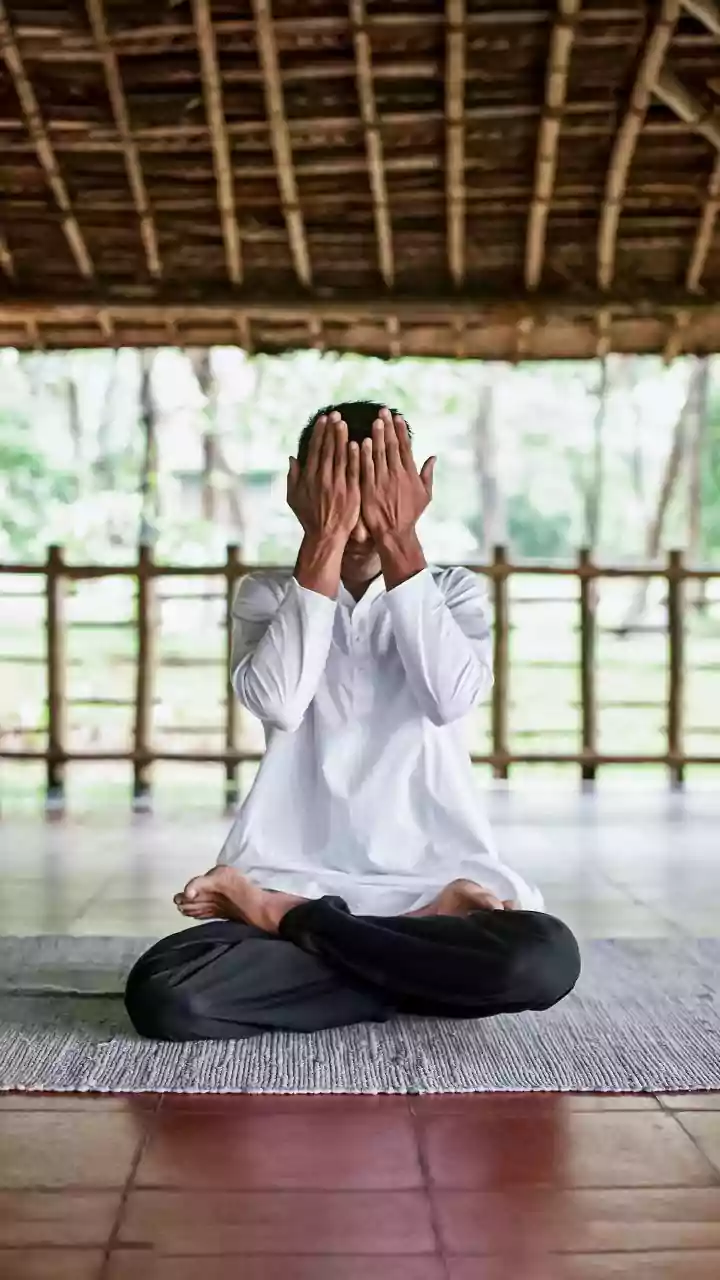
Forget packed tourist itineraries. A short wellness holiday is defined by its intentional lack of busyness. Activities are centred around holistic practices designed to heal and rejuvenate from the inside out. Days often include guided yoga and meditation sessions, mindful movement like Tai Chi, and breathwork classes. Food is another central pillar, with a focus on healthy, organic, and anti-inflammatory meals that nourish the body rather than weigh it down. The experience is often complemented by being in nature, whether it's a quiet retreat in the mountains or a serene hideaway by the coast. Many of these retreats also encourage a 'digital detox,' replacing screen time with reading, journaling, and quiet reflection.
More Than Just a Yoga Mat
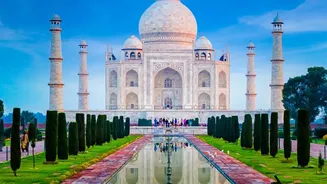
While yoga and meditation are core components, the modern wellness holiday is expanding to include a broader range of activities. It's becoming increasingly about personal growth and cultural immersion. For some, this takes the form of spiritual tourism, with a growing number of young travellers visiting destinations like Varanasi, Rishikesh, and Ayodhya to connect with Indian culture and heritage. For others, it’s about learning a new skill, participating in creative workshops, or engaging in eco-tourism. This reflects a deeper desire for travel to be meaningful and transformative, not just a collection of photo opportunities. The focus is on authentic experiences that provide a sense of purpose and connection.
The New Definition of a Good Break
The rise of short wellness getaways shows that for many young Indians, the ultimate luxury is no longer extravagance, but peace of mind. This trend has been supported by the increasing accessibility of wellness-focused properties, from high-end luxury resorts to affordable homestays. Digital platforms and social media have also played a role, making it easier to discover and book these niche experiences. As wellness moves from a niche interest to a mainstream expectation, it’s clear that the way young India thinks about travel is fundamentally changing. It's less about where you go and more about how you want to feel when you return: rested, renewed, and ready for what comes next.