




The Case for Unplugging
Excessive screen time is linked to a host of issues, from anxiety and sleep disruption to a decreased ability to focus. Research shows that dependency on digital devices can increase stress and lead to burnout. Taking deliberate breaks from technology,
often called a "digital detox," can improve mental health, reduce anxiety, and even enhance the quality of your sleep. Creating a space dedicated to quiet, analog activities provides a physical and psychological cue to put the phone down, allowing your brain to rest and reset. This act of carving out a quiet zone is not just about escaping noise; it’s about creating a space for what psychologists call "constructive internal reflection," which is crucial for processing emotions and maintaining mental balance.
Finding and Defining Your Nook
A reading nook doesn't require a dedicated room. It can be any small, underutilized space: an awkward corner, the area under a staircase, a spot beside a window, or even just an empty section of a wall. The key is to find a low-traffic area where you can feel a sense of retreat. Once you've identified a spot, define it. An area rug can anchor the space, visually separating it from the rest of the room. The goal is to make the area feel purposeful and distinct, signaling that this is a place for quiet and relaxation.
The Foundation: Seating and Lighting
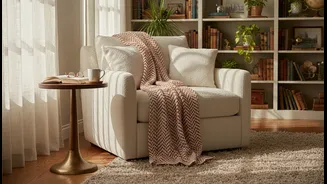
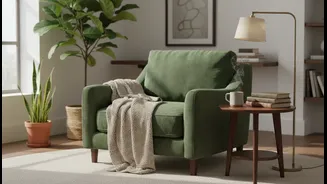
Comfort is paramount. Your primary investment should be in a comfortable seat. This could be a plush armchair, a chaise lounge, a cushioned bench, or even a simple floor cushion under a canopy. If space allows, an ottoman is a great addition for propping up your feet. Good lighting is the next critical element. Natural light is ideal, so positioning your nook near a window is a great option. For reading after dark, you'll need effective task lighting. This could be a floor lamp, a wall-mounted sconce, or a small table lamp. The right light prevents eye strain and makes the space more inviting.
Essential Comforts and Textures
Layering soft textures is what transforms a simple corner into a cozy hideaway. Think plush throw pillows for back support and a soft, warm blanket to curl up with. These elements not only add physical comfort but also contribute to a sense of warmth and security. Consider materials like wool, faux fur, or soft knits. A small side table is also a practical must-have, providing a convenient spot for a cup of tea, a book, or a scented candle.
Making It Your Own
Personalization is what makes a reading nook a true sanctuary. Surround yourself with items that bring you joy and a sense of calm. This could include framed art, family photos, or souvenirs from your travels. Nearby book storage, whether it’s a small bookshelf, floating shelves, or a movable book cart, keeps your reading material within arm's reach. Incorporating natural elements like a houseplant can also boost your mood and connect the space to the outdoors. This isn’t about creating a showroom; it's about crafting a space that feels uniquely yours.
More Than Just Reading
While it's called a "reading nook," this space can be for any quiet, mindful activity. It can be a place for journaling, listening to music, meditating, or simply sitting in silence to gather your thoughts. The fundamental purpose is to have a designated spot in your home where you are free from distractions and can intentionally hold space for yourself. It's a retreat for your mind, offering a powerful counterpoint to a life lived in front of screens.