




Why Nostalgia Blooms
Before we dive into the flowers themselves, let's talk about why these vintage varieties feel so special. Unlike modern hybrids engineered for perfect symmetry or shocking colours, old-school flowers are treasured for their imperfections, their robust
fragrances, and the memories they carry. A whiff of jasmine can transport you to your childhood summer evenings, while the vibrant orange of a marigold might recall festive seasons spent with family. Planting these flowers is like cultivating a living photo album. It’s an act of storytelling, connecting your personal space to a lineage of gardeners before you. This move towards heirloom plants is part of a larger desire for authenticity—a way to create a space that is uniquely, deeply *yours*.
The Festive Marigold (Genda)
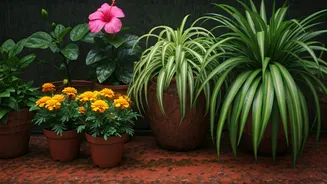
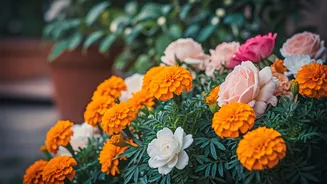
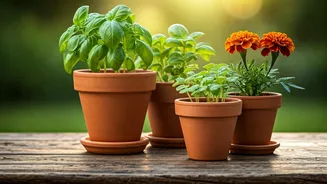
Is there any flower more quintessentially Indian than the genda? Its cheerful pom-poms of orange and yellow are the backdrop to every celebration, from weddings to Diwali. But beyond the garlands, the marigold is a hardy, easy-to-grow workhorse for any garden. They thrive in our sun-drenched climate and act as a natural pest repellent, protecting other, more delicate plants. Planting marigolds isn't just about aesthetics; it’s about participating in a cultural tradition. They are incredibly low-maintenance. Just provide them with plenty of sunlight and well-draining soil, and they will reward you with continuous blooms. Their familiar, slightly spicy scent is the fragrance of festivity and home.
The Fragrant Jasmine (Mogra/Chameli)
The scent of jasmine on a warm evening is pure magic. Whether it's the tiny, potent beads of Mogra or the star-like blossoms of Chameli, this climber is a sensory icon. For generations, its flowers have been woven into hair, offered in prayers, and used to perfume homes. A jasmine vine creeping over a wall or balcony railing gives a garden an immediate sense of establishment and romance. It feels like it has always been there. To grow it, choose a spot with good sunlight and provide a structure for it to climb. It needs regular watering, especially during hot months, but the payoff—those intoxicatingly fragrant blooms—is more than worth the effort.
The Humble Hibiscus (Gudhal)
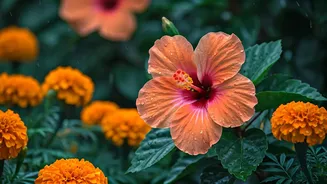
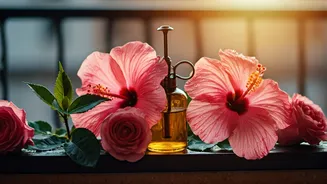
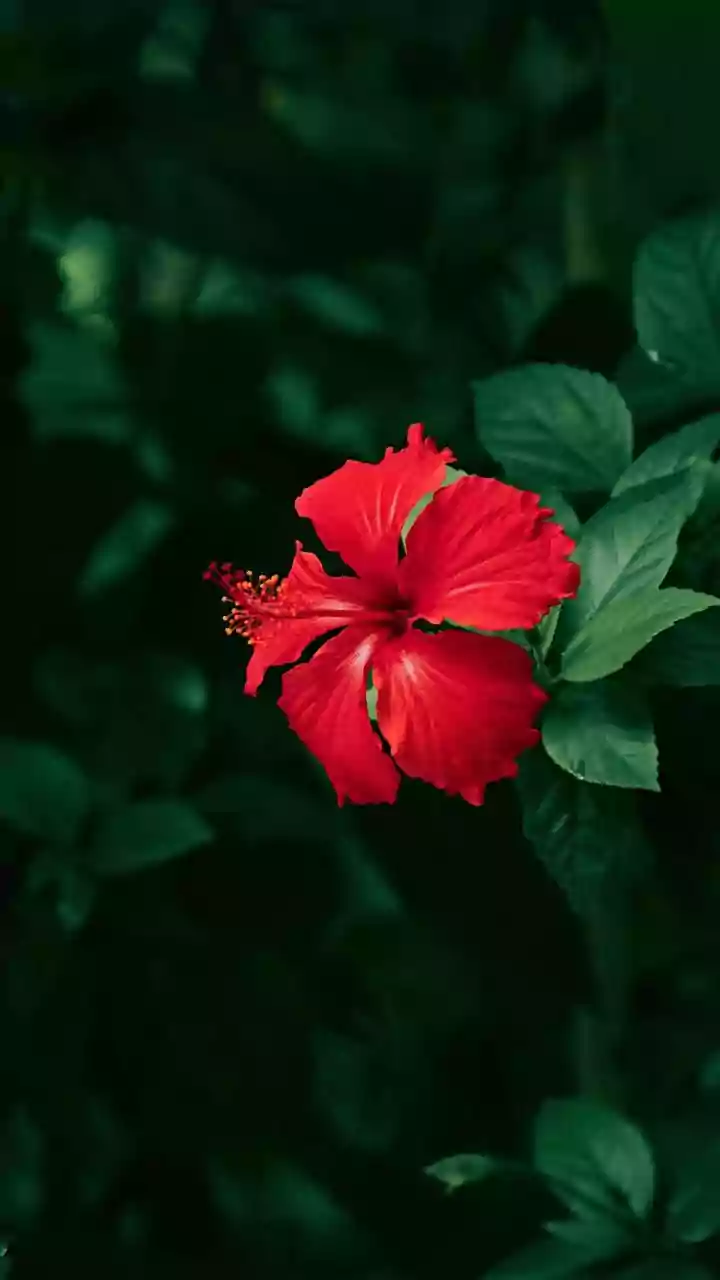
The large, elegant trumpets of the hibiscus flower are a common sight in gardens across India. Often associated with offerings to deities, the Gudhal is a symbol of simple, enduring beauty. Available in a spectrum of colours from fiery red to soft pink and pristine white, this shrub is a staple for a reason. It's tough, loves the sun, and flowers profusely with minimal fuss. Each bloom lasts only a day, a poignant reminder to appreciate beauty in the moment. Having a hibiscus plant feels like having a steadfast friend in your garden—reliable, beautiful, and deeply rooted in our shared culture. It’s a plant that requires little but gives so much.
The Classic Rose (Desi Gulab)
We’re not talking about the perfectly formed, long-stemmed roses from the florist that have little to no scent. The old-school hero is the 'Desi Gulab'. These are often smaller, with more petals, and possess a rich, heady fragrance that modern varieties have lost. This is the rose used to make gulkand and rose water—its scent is its superpower. A Desi Gulab bush may look a bit wilder and less manicured than its modern cousins, but its charm is undeniable. It connects us to a more romantic, poetic past. They require a bit more care—regular pruning, protection from pests, and proper feeding—but to have that true rose scent wafting through your garden is an unparalleled luxury.
The Whimsical Hollyhock
For a touch of English cottage charm that adapts surprisingly well to many Indian climates (especially in the cooler months or northern regions), look no further than the hollyhock. These tall, stately spires of flowers in shades of pink, white, and deep maroon create a stunning vertical accent at the back of a flower bed. They feel wonderfully old-fashioned, like something out of a storybook. Hollyhocks self-seed readily, meaning a single planting can lead to a delightful colony that returns year after year, adding to that feeling of a garden with a history. Plant them against a wall or fence for support and watch them bring a touch of fairytale drama to your space.