


What is Ambali?
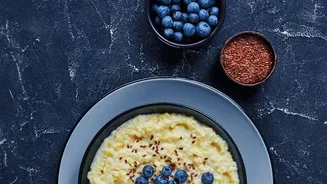
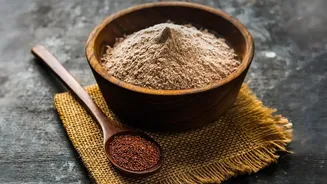
At its heart, Ambali is a traditional porridge or drink made from finger millet, popularly known as ragi. It is a staple in many parts of South India, especially Karnataka, and has been a source of nourishment for generations. The process involves cooking
ragi flour into a slurry, which is then often allowed to ferment overnight. This fermentation is key, as it not only imparts a slightly sour, tangy flavour but also transforms the nutritional profile of the drink. Traditionally served savoury and cool, it is often mixed with buttermilk or curd, and seasoned with salt, finely chopped onions, and sometimes a tempering of spices. It's a simple, rustic preparation that was designed to be cooling, filling, and easy on the gut, especially during hot summer months.
A Nutritional Powerhouse
The resurgence of Ambali is no accident; it’s a direct result of its incredible health credentials. Ragi itself is a superfood. It's naturally gluten-free and one of the best plant-based sources of calcium, crucial for bone health. It's also rich in iron, protein, and dietary fibre. The fermentation process elevates these benefits significantly. It breaks down anti-nutrients like phytic acid, making minerals like iron and calcium more easily absorbable by the body. Most importantly, fermentation turns Ambali into a natural probiotic, introducing beneficial bacteria that support a healthy gut microbiome, which can improve digestion and boost immunity. Its low glycemic index also means it releases energy slowly, preventing sugar spikes and keeping you full for longer, making it an ideal drink for weight management and for those with diabetes.
From Humble Origins to Hip Cafes
For centuries, Ambali was a farmer's meal, a simple, energy-dense drink to sustain a hard day's work. Today, its journey from rural kitchens to urban cafe menus marks a significant cultural shift. There is a growing movement across India to reconnect with traditional food systems and indigenous ingredients. Urban consumers, increasingly wary of processed foods, are looking for 'clean', authentic, and sustainable options. Ambali fits this need perfectly. It embodies a return to roots, celebrating the wisdom of traditional Indian food practices that prioritized gut health and natural ingredients long before they became modern wellness buzzwords. This revival is about more than just health; it's about cultural pride and the rediscovery of flavours that are deeply embedded in India's culinary heritage.
The Modern Makeover
While the soul of Ambali remains traditional, wellness cafes are giving it a contemporary twist to appeal to the modern palate. You might find it served chilled in a tall glass, garnished with mint leaves instead of just coriander. Some cafes are experimenting with flavour profiles, creating sweeter versions with a touch of jaggery or fruit, alongside the classic savoury buttermilk-based drink. They are presenting it not as a simple porridge, but as a 'probiotic millet cooler' or a 'gut-friendly super-drink'. This clever rebranding helps bridge the gap between a traditional food and a new generation of health-conscious consumers who may have never encountered it before. It’s the same nutritious drink, but packaged for an audience that understands the language of 'superfoods' and 'probiotics'.