
The Lingering Monsoon Effect
The biggest mistake travellers make is assuming the monsoon ends sharply on August 31st. In reality, the monsoon's withdrawal is a gradual process that can take weeks. It typically starts retreating from northwest India around mid-September and moves
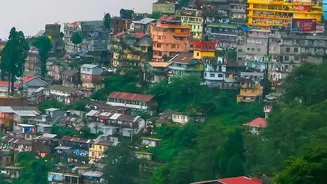
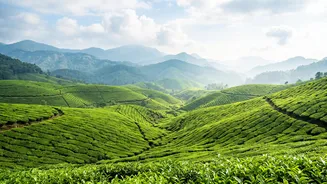
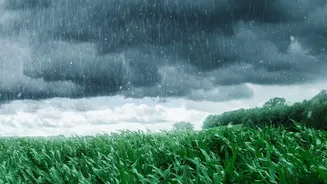
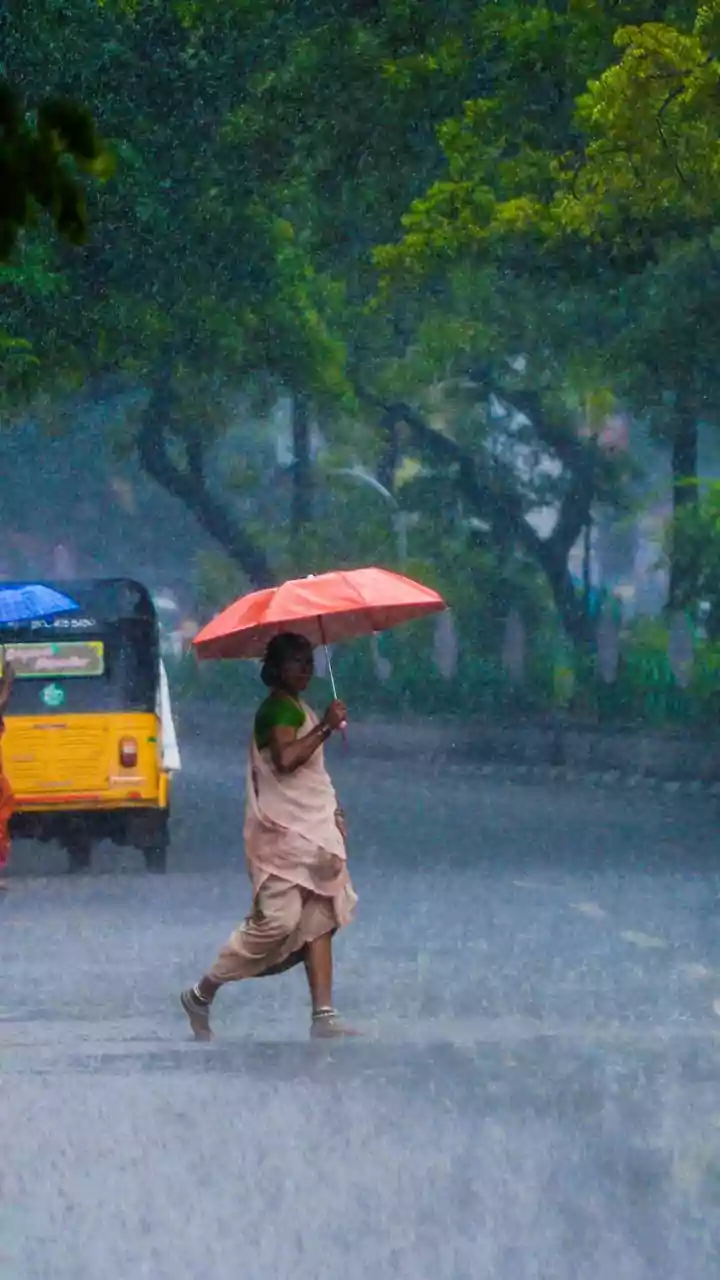
southeast. This means while some parts of the Himalayas might be getting drier, places like Darjeeling or parts of Kerala could still see significant rainfall. Sporadic, heavy showers can still occur even in areas where the monsoon is weakening, so a good waterproof jacket is non-negotiable. Don't let clear mornings fool you; a post-lunch downpour is a classic feature of September weather in the mountains.
Landslide and Road Blockage Risks
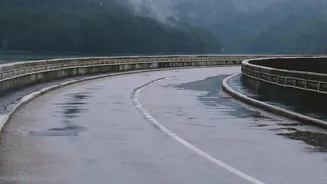
The most serious risk of post-monsoon travel is landslides. After months of rain, the soil on hill slopes is saturated and unstable. Even a short, intense spell of rain can trigger a landslide, blocking key highways for hours or even days. According to recent reports from early September 2026, heavy rains have already caused road blockages in states like Himachal Pradesh and Uttarakhand. While July and August are peak-risk months, September remains a period of high caution. It is wise to build a buffer day into your itinerary, check road conditions on the morning of travel, and avoid driving on vulnerable stretches at night or during heavy rain.
Significant Day-to-Night Temperature Swings
September ushers in a noticeable shift in temperature. While afternoons can be pleasantly warm and sunny, with temperatures in places like Shimla hovering in the low 20s Celsius, the evenings and nights get considerably colder. Temperatures can easily drop by 10-15 degrees after sunset. This means you need to pack for two distinct seasons. Relying only on light summer clothes is a recipe for a miserable, shivering evening. The key is to pack in layers: think t-shirts for the day, a fleece or light jacket for the evening, and perhaps even a warmer layer if you're travelling towards the end of the month or to higher altitudes.
Morning Fog and Reduced Visibility
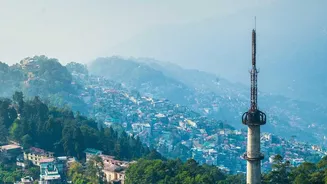
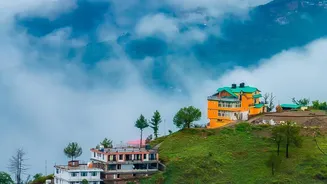
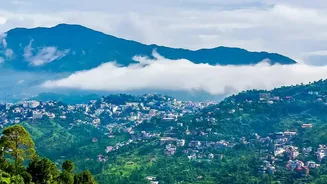
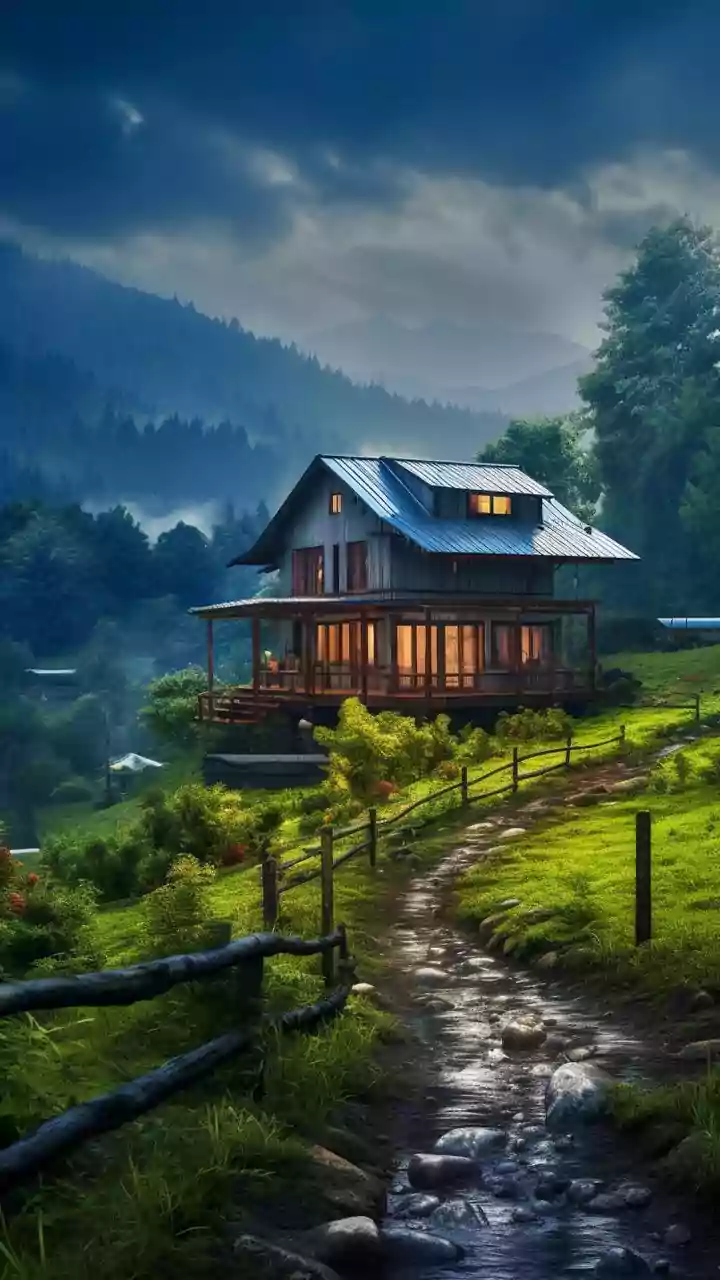
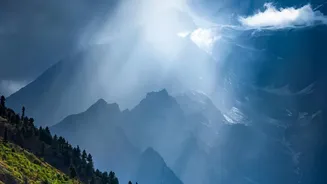
One of the most beautiful, yet tricky, aspects of September weather is the morning fog. The combination of moist ground and cooling overnight temperatures often creates thick mist that blankets the valleys until mid-morning. While this creates stunning photo opportunities, it can significantly reduce visibility on the roads, making early morning drives hazardous. It can also obscure those coveted Himalayan peak views. If your main goal is to see snow-capped mountains, be patient. The best views are often in the crisp, clear air after the morning fog has burned off. Plan your sightseeing activities for the afternoon to take advantage of the clearer skies.
How to Pack Smart
Given the unpredictable weather, smart packing is essential. A high-quality waterproof jacket is the most important item. Unlike an umbrella, it won't be useless in mountain winds. Choose quick-drying clothes and avoid heavy fabrics like denim that take a long time to dry if they get wet. Sturdy, waterproof walking shoes with good grip are crucial, both for slippery paths and for comfort. Also, don't forget essentials for high altitudes: a strong sunscreen (UV exposure is higher in the mountains), a heavy moisturiser for dry skin, and basic medicines for motion sickness or headaches. A power bank is also a wise addition, as power cuts can be more frequent during this season.
Check Hyper-Local Forecasts
Mountain weather is notoriously localised. It can be pouring in one valley while the next one over is bathed in sunshine. National forecasts provide a good overview, but for real-time planning, you need to check hyper-local weather updates. Before and during your trip, use reliable apps that provide detailed information for your specific destination. Pay attention to warnings issued by the India Meteorological Department (IMD), especially regarding heavy rainfall or landslide alerts for the region you are visiting. Many local authorities also post road status updates online, which can be invaluable for planning your travel days.