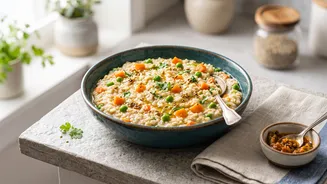



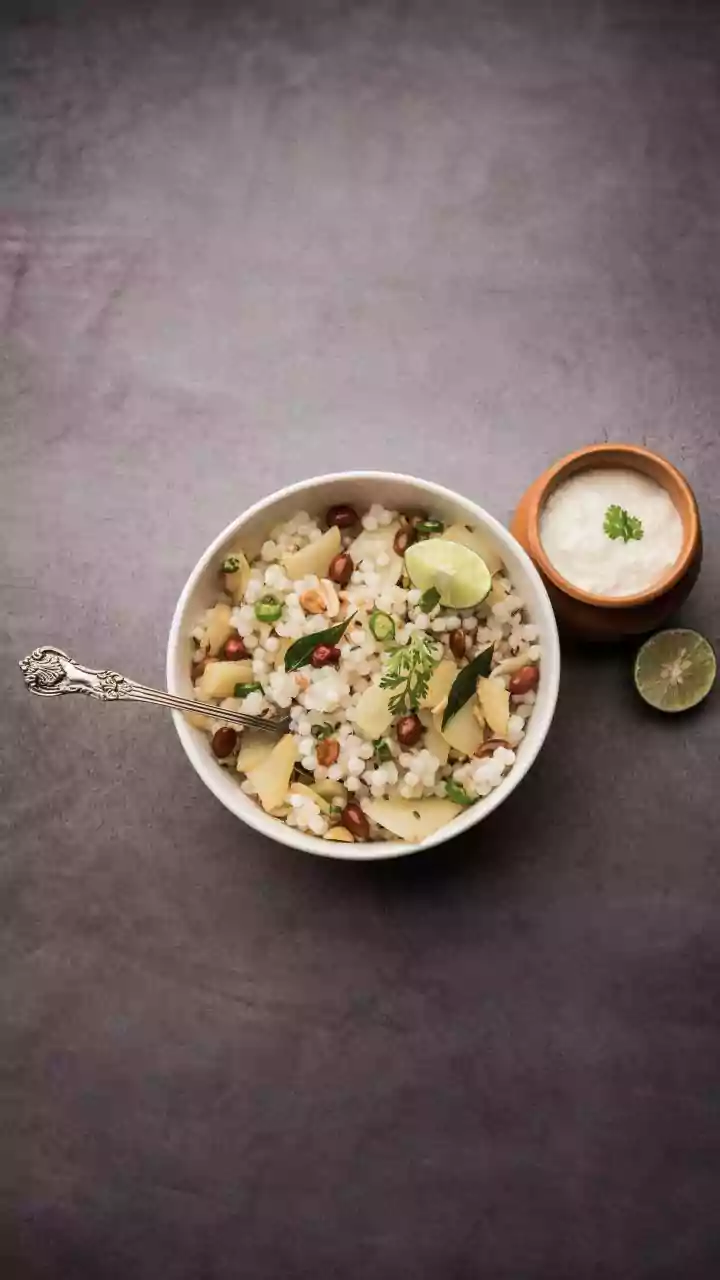
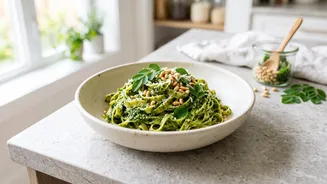
When you think of performance food, a comforting bowl of khichdi might not be the first thing that comes to mind. Yet, this traditional Indian one-pot meal, when given a modern twist with oats, becomes a nutritional powerhouse for any training regimen.
The Engine of Exercise: Why Carbohydrates Matter
Before diving into the recipe, it’s crucial to understand why carbohydrates are so vital for an active lifestyle. Carbohydrates are the body's primary and most efficient source of fuel, especially for moderate to high-intensity workouts. When you consume carbs, your body breaks them down into glucose, which is either used for immediate energy or stored in your muscles and liver as glycogen. These glycogen stores are what your muscles draw upon during exercise. When they run low, you hit the dreaded 'wall', feeling fatigued and unable to maintain performance. Therefore, a meal rich in carbohydrates before training ensures your energy tank is full, while consuming carbs after training is essential for replenishing those depleted glycogen stores and kick-starting the recovery process.
Why Oats are a Superior Carb Source
Not all carbohydrates are created equal. Oats stand out as an exceptional choice for athletes and fitness enthusiasts. They are a complex carbohydrate, which means they break down slowly, providing a steady and sustained release of energy rather than a quick spike and crash. This is ideal for endurance and prolonged training sessions. Oats are also packed with a special type of soluble fibre called beta-glucan, which aids in digestion, promotes a feeling of fullness, and helps manage blood sugar levels. Furthermore, oats are a good source of plant-based protein and essential micronutrients like magnesium, iron, and B vitamins, all of which play critical roles in energy production and muscle function.
The Khichdi Blueprint: A Balanced Meal
Traditional khichdi, typically made with rice and lentils (like moong dal), is celebrated for being a complete meal that's easy on the digestive system. The combination of a grain (rice) and a legume (dal) creates a complete protein, providing all nine essential amino acids needed for muscle repair and growth. Moong dal itself is a protein powerhouse, essential for post-workout recovery. The spices commonly used, such as turmeric and ginger, have anti-inflammatory properties that can help reduce exercise-induced inflammation. This balanced profile of macronutrients makes khichdi an incredibly nourishing and restorative dish.
Oats Khichdi: The Ultimate Fusion Fuel
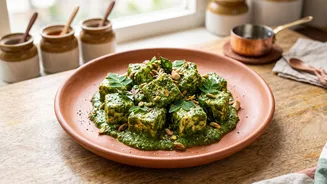
By substituting traditional rice with oats, you elevate khichdi into a superior training meal. This fusion combines the slow-release energy of complex carbohydrates from oats with the muscle-repairing protein from lentils. The result is a single bowl that perfectly serves two different athletic needs. It's an ideal pre-workout meal, providing the sustained energy required to power through a tough session without feeling heavy or bloated. Simultaneously, it’s an excellent post-workout option, delivering the necessary protein and carbohydrates to replenish glycogen stores and facilitate muscle recovery.
How to Time Your Oats Khichdi
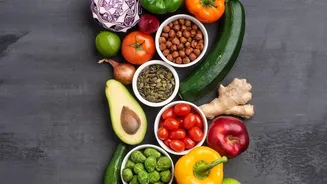
To maximize the benefits, timing is key. If you're eating oats khichdi as a pre-workout meal, consume it 1–2 hours before your training session. This gives your body enough time to digest and start converting those complex carbs into accessible energy. As a post–workout recovery meal, aim to have it within two hours of finishing your exercise. The combination of protein and carbs is most effective for muscle repair and glycogen replenishment during this window. Adding vegetables like spinach or carrots can further boost the nutritional content and aid in hydration. Because it's so easy to digest, it ensures your body's resources are focused on performance and recovery, not on a heavy digestive task.