




The Soul of Flavour: What is Cold-Pressed Oil?
In a world of industrially produced refined oils, which are often processed with high heat and chemical solvents, the traditional 'kachhi ghani' method stands apart. Cold-pressing involves mechanically crushing seeds at low temperatures, a technique that
preserves the oil's natural flavour, aroma, and nutritional profile. Unlike refined oils that are neutral and largely stripped of their character, cold-pressed oils are vibrant and full of the essence of the seed they came from—be it the sharp pungency of mustard, the deep nuttiness of sesame, or the clean, sweet notes of groundnut. This retention of natural character is precisely why they are indispensable in creating the authentic taste of so many regional Indian dishes. They aren't just for cooking; they are an active ingredient.
Mustard Oil: The Pungent Powerhouse of the East and North
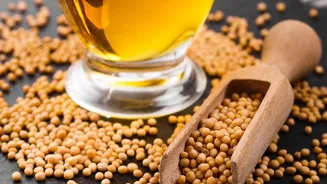
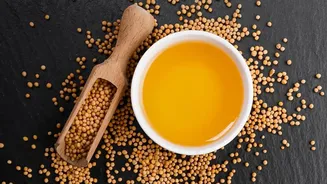
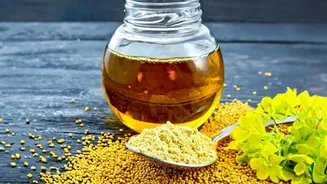
Walk into a traditional Bengali, Bihari, or Punjabi kitchen, and the sharp, unmistakable aroma of mustard oil, or 'sarson ka tel', is a clear sign that cooking is underway. This oil's defining characteristic is its pungency, derived from a compound called allyl isothiocyanate, which is preserved during the cold-pressing process. This isn't a flaw to be hidden; it's the main event. In Bengali cuisine, it's the soul of dishes like 'macher jhol' (fish curry) and 'shorshe ilish' (hilsa in mustard gravy), where its sharpness beautifully complements the freshwater fish. In Bihar, a drizzle of raw mustard oil is essential for an authentic 'chokha' served with 'litti'. Many traditional cooks heat the oil until it just begins to smoke to mellow its pungency into a warmer, more rounded flavour, a technique that is crucial for dishes like 'sarson ka saag'.
Sesame Oil: The Nutty Elixir of the South
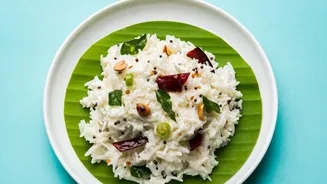
In South India, particularly in Tamil Nadu and Andhra Pradesh, cold-pressed sesame oil—often called 'gingelly oil' or 'nallennai'—is a cherished ingredient. Its deep, nutty, and slightly earthy aroma provides a foundational flavour that is hard to replicate. It is the signature taste in preparations like 'puliyodarai' (tamarind rice) and is essential for tempering spices for sambar and various chutneys. Many households mix 'idli podi' with a generous spoonful of sesame oil to create a rich, flavourful dip that perfectly accompanies soft idlis. Beyond being a cooking medium, its role extends to preservation, where its natural properties make it a preferred base for many regional pickles, enhancing flavour while extending shelf life. Its ability to complement the tang of tamarind and the heat of chillies makes it a cornerstone of the region's culinary identity.
Groundnut Oil: The Versatile Staple of the West
In the kitchens of Gujarat and Maharashtra, cold-pressed groundnut oil, or 'mungfali tel', has long been the workhorse. With a pleasant, mild nutty flavour and a relatively high smoke point, it is incredibly versatile. It's the oil of choice for frying a host of snacks, from crispy 'pakoras' and 'bhajiyas' to 'batata vada', ensuring a golden, non-greasy finish. The oil’s stability under high heat makes it perfect for the 'vaghar' or tempering that forms the base of so many Gujarati dishes, including the iconic sweet and sour dal. Its flavour is subtle enough not to overpower the vegetables in a 'sabzi' but distinct enough to lend a warm, rounded character to everyday preparations like 'poha'. Dishes like Kolhapuri 'misal' depend on groundnut oil to balance the fierce heat of the spices, creating a well-rounded gravy that refined oils simply cannot replicate.