






Why October is the Golden Month
October marks a sweet spot in the Indian gardening calendar. The heavy monsoon rains have subsided, leaving behind moist, workable soil, and the intense summer heat has given way to milder temperatures. This transitional weather is ideal for establishing
young plants. For marigolds (Genda) and chrysanthemums (Guldaudi), an October planting provides just enough time for them to mature and burst into bloom for late autumn and winter festivals like Diwali and Dussehra. The shorter daylight hours during this period also naturally trigger blooming in chrysanthemums, which are 'short-day' plants.
Choosing Your Festive Champions
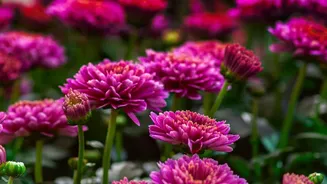
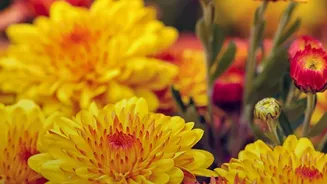
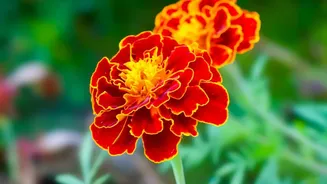
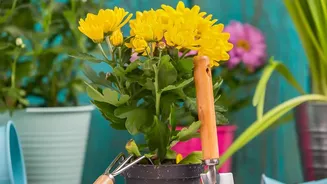
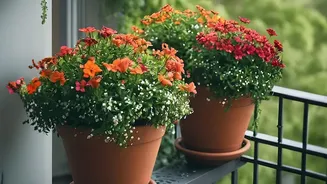
Not all marigolds and chrysanthemums are created equal. For a classic festive look, consider the popular African Marigold (Tagetes erecta), known for its large, globe-like orange and yellow flowers. The French Marigold (Tagetes patula) is a smaller, bushier alternative perfect for pots and borders. When it comes to chrysanthemums, you'll find a vast array of types, from the daisy-like single petal varieties to the dense, ball-shaped Pompons. For beginners, it's wise to purchase healthy saplings from a local nursery, as they are already established and have a higher success rate than starting from seed.
The Perfect Foundation: Soil and Potting
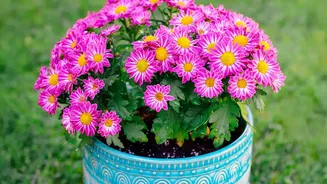
Both marigolds and chrysanthemums demand well-draining soil to prevent root rot. A high-quality potting mix is crucial, especially for container gardening. Create an ideal blend by mixing equal parts garden soil, compost or well-rotted manure, and a material that improves drainage like sand or perlite. This ensures the soil is fertile enough to fuel blooms but doesn't become waterlogged. If planting in pots, choose containers with ample drainage holes. A 6-inch pot is suitable for French marigolds, while the larger African marigolds and chrysanthemums will appreciate a 10-inch pot or larger to accommodate their root systems.
Planting for Success
Whether you're using seeds or saplings, proper planting technique is key. If starting from seed, sow them about a quarter-inch deep in your prepared soil mix and cover lightly. Keep the soil consistently moist until germination occurs. For saplings, dig a hole slightly larger than the root ball, gently place the plant inside, and backfill with soil, pressing firmly to eliminate air pockets. Water thoroughly after transplanting to help the roots settle. Ensure you provide adequate spacing—about 8-10 inches for French marigolds and at least 12-18 inches for African marigolds and chrysanthemums to allow for good air circulation and prevent fungal issues.
Sun, Water, and Nourishment
Sunlight is the engine for flower production. Both marigolds and chrysanthemums are sun-lovers, requiring at least 5-6 hours of direct sunlight per day for the best blooms. An east-facing balcony that receives gentle morning sun is ideal. The rule for watering is simple: check the soil. Water deeply whenever the top inch of soil feels dry to the touch. Overwatering is a common mistake and can lead to root rot. It's better to water at the base of the plant to keep the foliage dry and reduce the risk of disease. A month after planting, you can begin feeding your plants every 15-20 days with a balanced liquid fertiliser to support healthy growth and abundant flowers.
Encouraging More Blooms: Pinching and Deadheading
To get bushier plants with more flowers, practice 'pinching'. When a young plant reaches about 6 inches in height, simply pinch off the top set of leaves with your fingers. This encourages the plant to grow side branches, leading to a fuller shape and more blooms. As flowers begin to fade, it’s important to 'deadhead' them by snipping off the spent blossoms at the stem. This redirects the plant's energy from making seeds to producing new flowers, ensuring a continuous display throughout the festive season.