






Beyond Chronological Age
We all know people who seem much younger or older than their actual age. Science now has a term for this: biological age. While chronological age is simply how long you've been alive, biological age measures the true physiological condition of your cells,
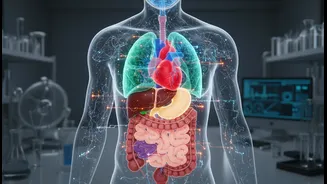
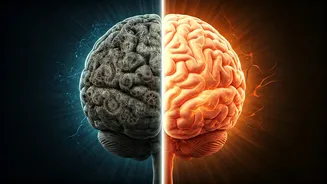
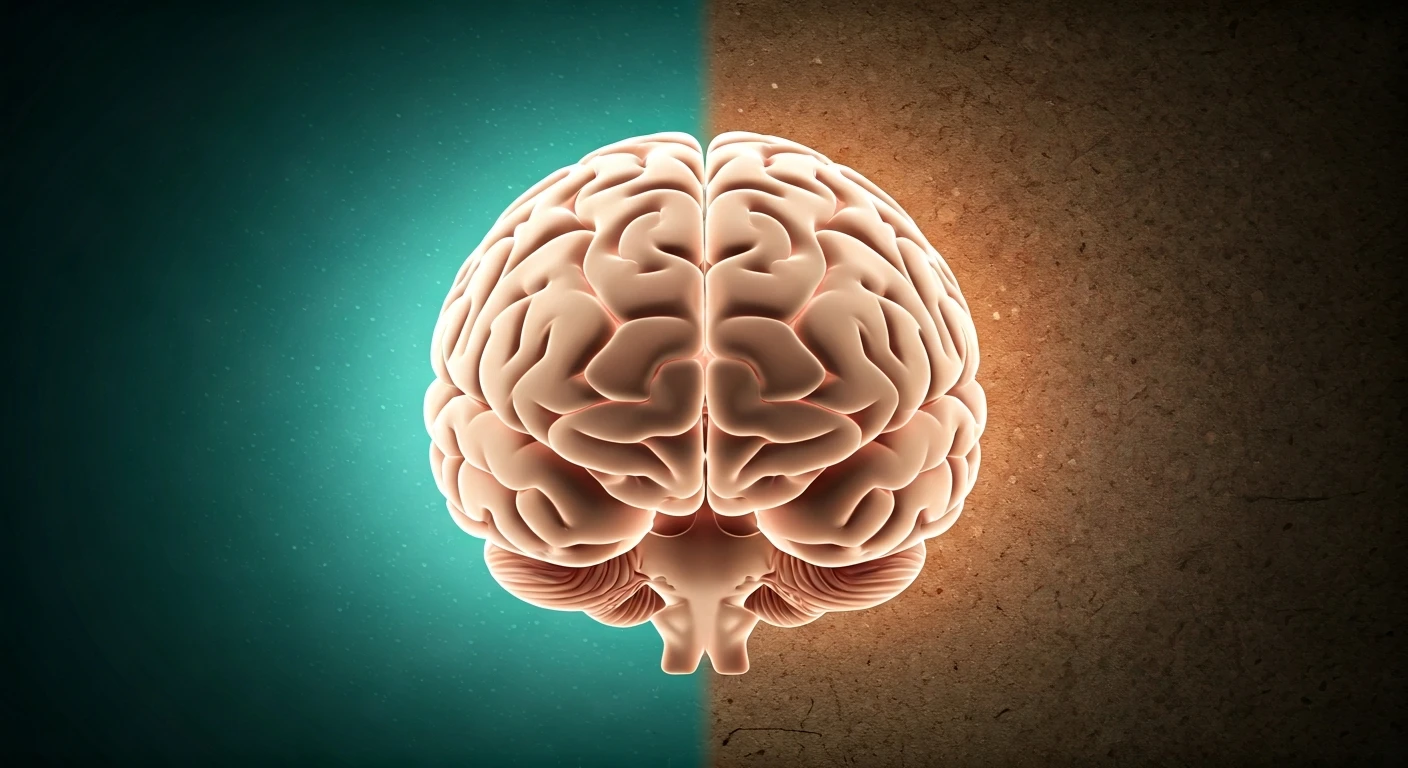
tissues, and organs. Recent studies are taking this a step further, showing that different organs in the same person can age at different rates. This phenomenon, sometimes called mosaic or differential aging, means your 50-year-old body could have a heart that's biologically 45 and a brain that's 55. This discovery is changing how we think about health, shifting focus from a single number to a more detailed map of how our bodies are faring over time.
How Is Organ Age Measured?
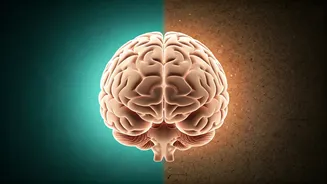
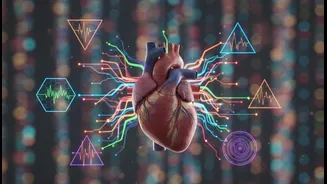
Scientists use several advanced methods to estimate the age of specific organs. For the brain, machine learning models analyze MRI scans to look at factors like brain volume and structure, comparing them to thousands of other scans to predict a 'brain age'. A brain age older than your chronological age has been linked to poorer cognitive performance and future brain shrinkage. For the heart, age can be estimated using classic cardiovascular risk factors like blood pressure and cholesterol, or with advanced imaging like cardiac MRIs that assess the heart's structure and function. More recently, researchers have developed blood tests that can estimate the biological age of 11 different organ systems by analyzing thousands of proteins in the blood. An older-than-expected organ was found to be a strong predictor of future disease in that specific organ.
The Critical Heart-Brain Connection
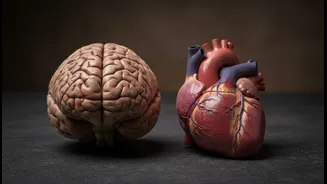
The heart and brain have a deeply interconnected relationship. The brain, while only about 2% of our body weight, demands nearly 20% of our oxygen and energy, all delivered by the cardiovascular system. When heart health is poor, it can directly harm the brain. Conditions like high blood pressure, stiff arteries, and high cholesterol can reduce blood flow, damaging delicate brain vessels and accelerating brain aging. Studies have shown a significant link between poor cardiovascular health in midlife and a higher, or 'older', brain age later in life. In fact, an estimated one-third of all dementia cases may be attributed to vascular factors. This shows that keeping the heart healthy is one of the most fundamental ways to protect the brain.
Why Do They Age Out of Sync?
Several factors contribute to why your heart and brain might not be on the same aging schedule. Genetics certainly plays a role, but lifestyle and environmental factors have a massive impact. Each organ has unique cell types and metabolic needs, making them vulnerable to different stressors. For example, poor sleep quality might disproportionately affect the brain's biological age, while metabolic issues like high blood sugar could place a heavier burden on the heart and arteries. An unhealthy diet, smoking, chronic stress, and a sedentary lifestyle can all contribute to accelerated aging, but their effects might be more pronounced in one organ system than another. Essentially, your unique life experiences and habits create a distinct aging pattern across your entire body.
What You Can Do to Help
The good news is that biological age is not set in stone; it's modifiable. Many of the same lifestyle choices that protect one organ can protect them all, helping to synchronize your internal clocks for better overall health. The advice is likely familiar, but the science behind it is stronger than ever. Regular physical activity—around 150 minutes of moderate exercise per week—is crucial, as it boosts blood flow to both the heart and brain. Adopting a heart-healthy diet, such as the Mediterranean diet, rich in fruits, vegetables, and healthy fats, has been shown to lower the risk of both heart disease and dementia. Managing stress, quitting smoking, limiting alcohol, and prioritizing quality sleep are other powerful strategies that support healthy aging throughout the body.