








A Painful Lesson from the Past
The year 2015 is etched in Chennai's memory as a time of devastating floods. While torrential rains were the primary cause, a report from the Comptroller and Auditor General (CAG) later pointed to a critical failure: the delayed and sudden release of a massive
amount of water from the Chembarambakkam reservoir. This abrupt discharge overwhelmed the Adyar river, leading to what many experts termed a 'man-made' component of the disaster. Authorities waited until the reservoir was nearly full before opening the gates, sending a deluge into an already water-logged city. This event served as a tragic but powerful lesson on the immense dangers of reactive reservoir management.
What Exactly Is Discharge Management?
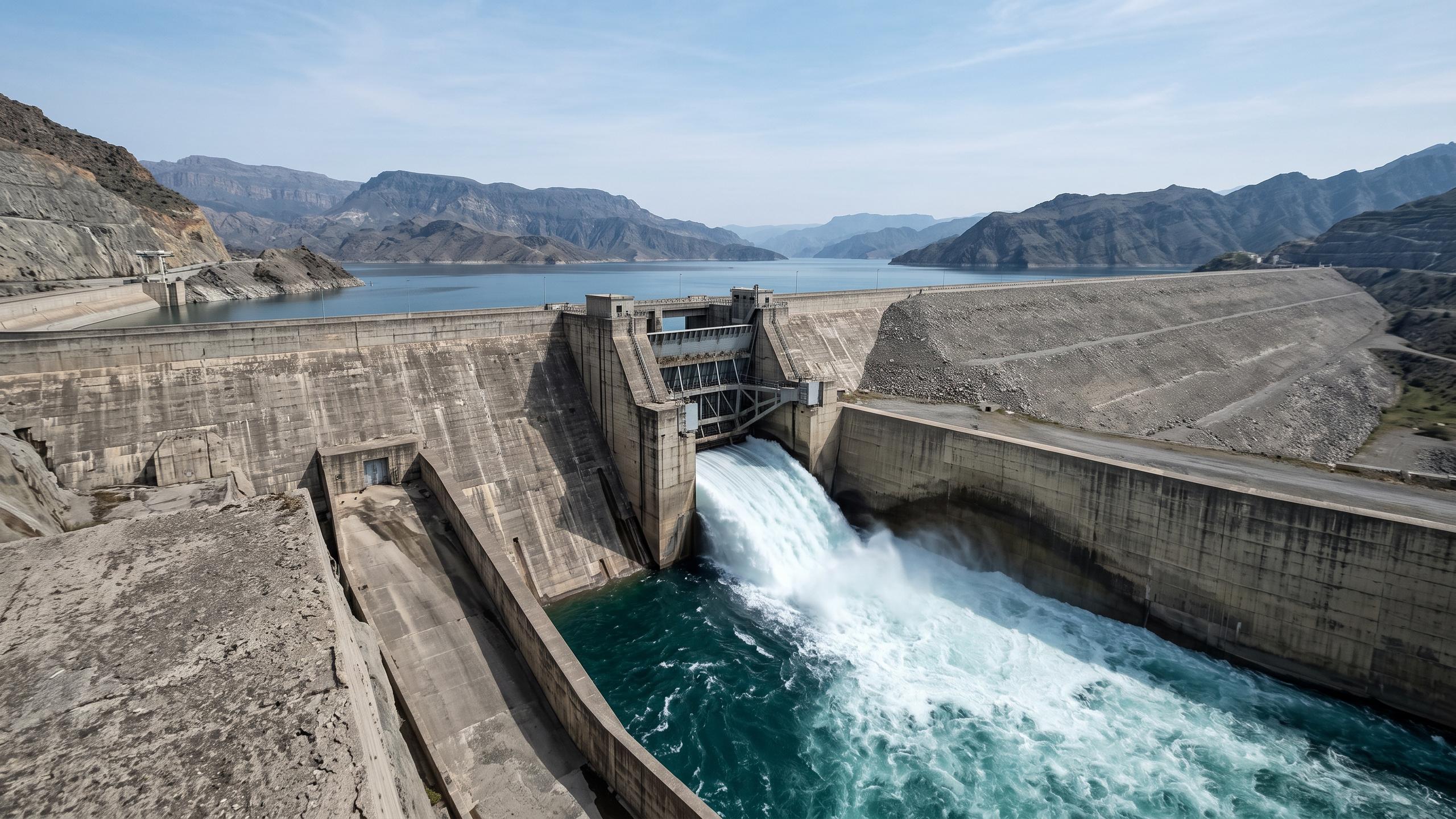
At its core, reservoir management is a balancing act. The goal is to store enough water for the city's needs while keeping sufficient empty space, or 'flood cushion', to absorb heavy inflows during the monsoon. Discharge management is the strategy of releasing water from a dam in a controlled, gradual manner. It’s not about waiting for the dam to be full. Instead, it involves pre-emptive, small releases based on scientific data and weather forecasts. This ensures that when a massive storm hits, the reservoir has the capacity to handle the incoming rainwater without resorting to panic releases that could flood downstream areas.
The 'Rule Curve': A Scientific Guide
To move from reactive decision-making to a proactive strategy, authorities now rely on a 'rule curve'. A rule curve is a detailed schedule, prepared by bodies like the Central Water Commission, that specifies the maximum water level a reservoir should hold at different points throughout the year. It's based on decades of rainfall data and helps dam operators make informed decisions. For instance, the rule curve might dictate that a reservoir should be kept at a lower level at the start of the monsoon to accommodate expected heavy rains, and then be allowed to fill up more aggressively toward the end of the season when the flood risk subsides.
Technology and Forecasting Take the Lead
Modern discharge management is heavily reliant on technology. In January 2026, Tamil Nadu commissioned a new Integrated Reservoir Management Centre (IRMC) for Chennai. This centralised facility uses an Autonomous Reservoir Decision-Making System to manage the city's key reservoirs like Poondi, Chembarambakkam, and Red Hills. It integrates real-time data from IoT sensors, weather forecasts, and SCADA-controlled gates to provide early flood warnings and recommend safe discharge levels. By combining advanced forecasting models with real-time data on inflows and storage levels, authorities can anticipate flood risks much earlier and execute controlled water releases, a stark contrast to the decisions made in 2015.
Ongoing Challenges for a Growing City
While management strategies have vastly improved, Chennai is not entirely out of the woods. Rapid urbanisation has led to the encroachment of floodplains and the disappearance of natural water bodies that once acted as sponges. Many parts of the city are built on low-lying areas that were formerly lakes or marshes, making them inherently prone to waterlogging. Effective flood prevention, therefore, requires a multi-pronged approach. This includes not just sophisticated reservoir management, but also the restoration of water bodies, construction of better stormwater drains, and preventing further encroachment on the city's natural drainage channels.