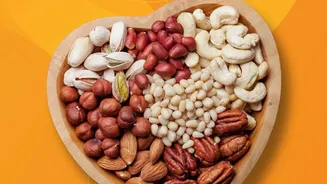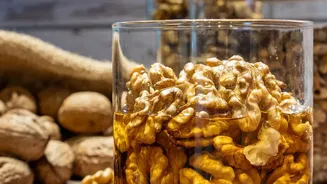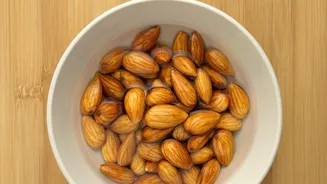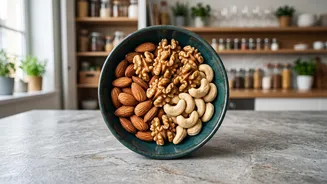






The tradition of soaking almonds overnight is a familiar one in many Indian households. But is there science to this practice? Let's dive into the claims about enzyme blockers and whether a simple soak can truly unlock a nut's nutritional power.
The 'Blockers' in Your Nuts Explained
At the
heart of the soaking debate are compounds often called 'anti-nutrients'. Nuts, seeds, and grains contain phytic acid and enzyme inhibitors. From the plant's perspective, these compounds are brilliant; they act as a natural defence mechanism and keep the seed dormant until conditions are right for it to sprout. Phytic acid can bind to minerals like iron, zinc, and calcium in your gut, potentially reducing their absorption from that particular meal. Enzyme inhibitors, as the name suggests, can interfere with your own digestive enzymes, which might make some people feel bloated or that digestion is sluggish after eating raw nuts.
The Soaking Solution: Theory vs. Reality
The theory is simple and elegant: by soaking nuts in water, we are mimicking the natural process of germination. This process is said to 'activate' the nut, neutralising the enzyme inhibitors and breaking down a portion of the phytic acid. Proponents claim this makes the nuts easier to digest and the minerals more bioavailable for your body to use. However, the scientific evidence for nuts is not as clear-cut as it is for grains and legumes. While soaking can reduce phytic acid in grains by up to 70%, the reduction in nuts is much more modest, often in the range of 5-20%. Some studies have found the change to be minimal, or even inconsistent across different types of nuts.
So, Does It Make a Real Difference?
For most people with a varied and balanced diet, the 'anti-nutrient' effect of a handful of nuts is not a significant concern. Your body is capable of managing these compounds, and the overall health benefits of nuts — being packed with healthy fats, fibre, and protein — far outweigh the potential downsides of phytic acid. Phytic acid itself even has some antioxidant benefits. However, for individuals with sensitive digestion, a history of mineral deficiencies, or those on a very high-phytate diet (relying heavily on grains, legumes, and nuts), soaking might offer a slight digestive advantage. Many people simply find that soaked nuts feel gentler on their stomach and prefer the softer, creamier texture.
A Simple Guide to Soaking Nuts
If you'd like to try soaking, the process is straightforward. Start with raw, unroasted nuts, as heat-treated nuts won't 'activate'. Place your nuts in a glass bowl and cover them with filtered water. Many guides suggest adding a pinch of salt to the water to help activate enzymes that break down the inhibitors. The soaking time varies by nut. Harder nuts like almonds need a longer soak (8-12 hours), while softer nuts like cashews require less time (2-4 hours). It's best to soak them in the refrigerator to prevent bacterial growth, especially in warmer climates. After soaking, drain the water, give the nuts a thorough rinse, and they are ready to eat. You can also dry them in an oven on the lowest temperature or in a dehydrator until crisp if you want to store them.