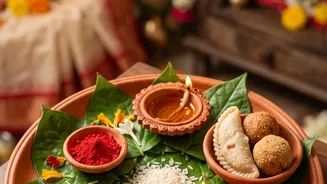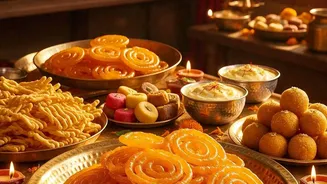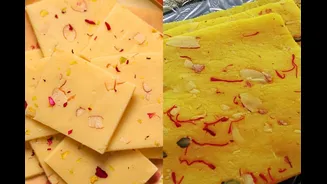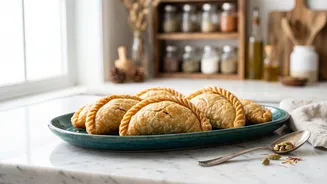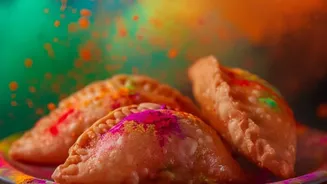

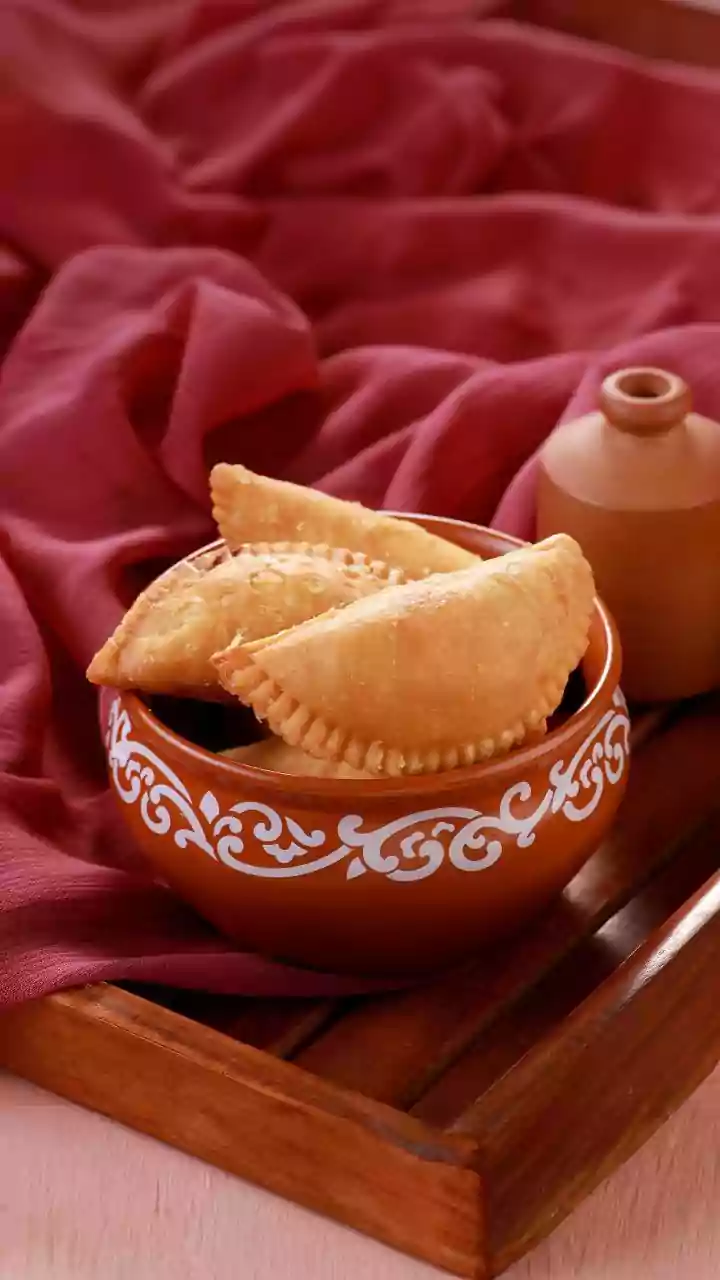
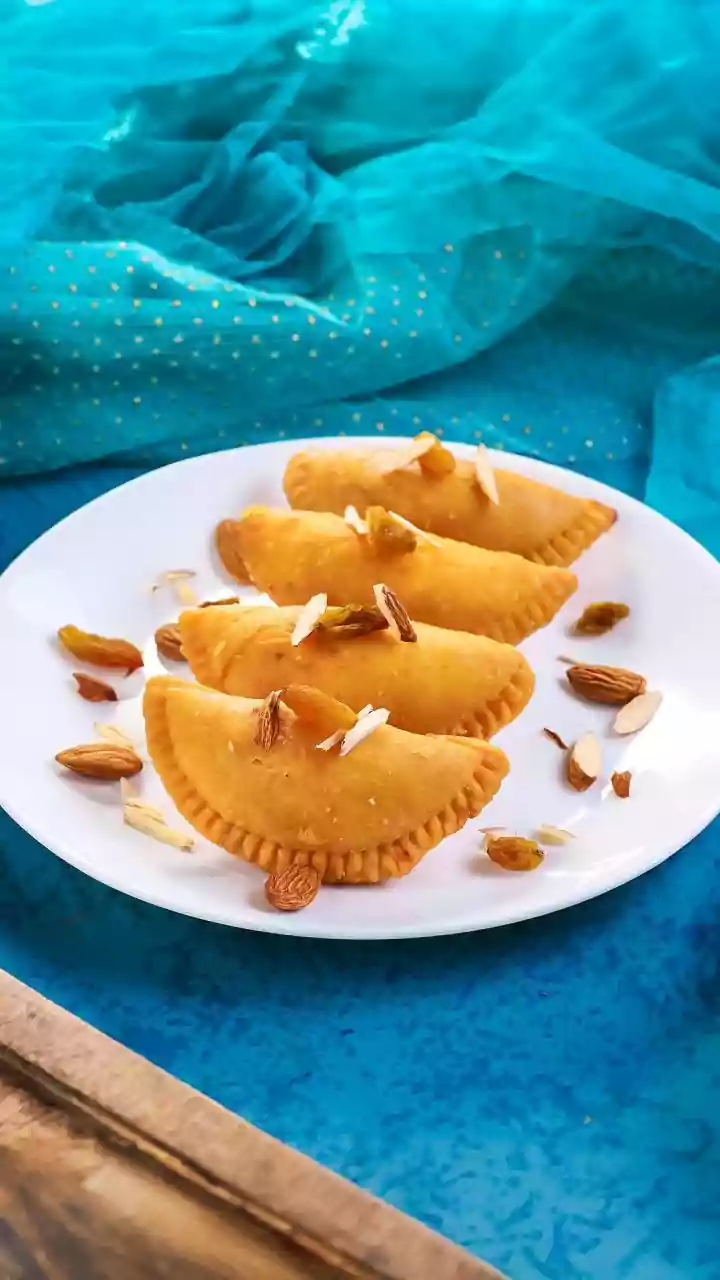

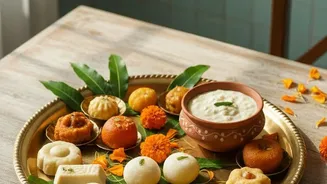
As the lights of Diwali begin to twinkle on the horizon, the aroma of festive sweets fills the air. Among the most cherished is the gujiya, a crisp, golden pastry parcel filled with sweet delights. Here’s how to master it at home.
The Foundation: Dough and Filling
The magic of a great
gujiya lies in two key elements: a flaky, crisp pastry and a rich, aromatic filling. For the outer layer, you will need all-purpose flour (maida), a generous amount of ghee for shortening (known as 'moyan'), and cold water to bind it. The moyan is crucial; rub the ghee into the flour until it resembles breadcrumbs. This step ensures the pastry is 'khasta' or crumbly. The dough should be firm and smooth, not soft like a roti dough. Once kneaded, cover it with a damp cloth and let it rest for at least 30 minutes. For the classic filling, mawa (khoya) is the star. Sauté grated mawa on low heat until it turns light pink and fragrant. Let it cool completely before mixing in powdered sugar, finely chopped nuts like almonds and pistachios, desiccated coconut, and a hint of cardamom powder and nutmeg. The key is to ensure the mawa is cool before adding sugar, as warm mawa will cause the sugar to melt and make the filling runny, which can ruin your gujiyas.
The Art of Shaping
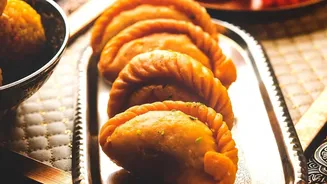
Shaping is often where home cooks feel the most pressure, but it can be mastered with practice. The goal is a perfect half-moon shape with a securely sealed, decorative edge. First, roll out small, thin discs from your rested dough, about 4-5 inches in diameter. Place a spoonful of the filling onto one half of the disc, leaving a half-inch border around the edge. To seal it, lightly moisten the edges with water and fold the other half over, pressing the edges firmly together. This seal is critical to prevent the filling from spilling out during cooking. For a decorative finish, you can either press the edge with a fork or use a special gujiya mould that shapes and seals simultaneously. The traditional method involves pinching and pleating the edge by hand, creating a beautiful rope-like pattern known as 'gothna'. While this takes practice, a mould offers a foolproof way to get a perfect shape every time.
Cooking to Golden Perfection
The final step is cooking, and the most traditional method is deep-frying. The secret to a blister-free, evenly cooked gujiya is the oil temperature. The ghee or oil must be on a low to medium flame. If the oil is too hot, the pastry will brown instantly, leaving the inside raw and creating bubbles on the surface. To test, drop a small piece of dough into the oil; it should sizzle gently and rise to the surface slowly. Fry the gujiyas in small batches, patiently flipping them until they are a beautiful, even golden brown on both sides. This slow-frying process can take 10-12 minutes but is essential for that perfect texture. Once done, remove them with a slotted spoon and place them on a rack to drain excess oil.
A Healthier Alternative: Baking
For those seeking a lighter version, baked gujiyas are a fantastic alternative. While they won't have the exact same richness as their fried counterparts, they offer a delightful crispness without the extra oil. To bake them, preheat your oven to 180°C (350°F). Arrange the shaped gujiyas on a baking tray lined with parchment paper. Brush them lightly with milk or a thin layer of melted ghee, which helps them develop a golden colour. Bake for 20-25 minutes, flipping them halfway through, until they are golden and firm. The texture will be more like a biscuit than the flaky pastry of a fried gujiya, but the delicious filling will still shine through, making it a wonderful, guilt-free festive treat.
Finishing Touches and Storage
Once your gujiyas have cooled completely, they are ready to be enjoyed. Some traditions call for dipping them in a thin sugar syrup ('chashni') for an extra layer of sweetness and a glossy finish. To do this, prepare a one-string consistency sugar syrup, dip the fried gujiyas for just a few seconds, and let them dry on a wire rack. Garnish with slivered pistachios and edible silver leaf (vark) for a truly festive presentation. To store your gujiyas, wait until they are completely cool and then place them in an airtight container. They will stay fresh and crisp for up to two weeks, allowing you to prepare them well ahead of any main Diwali celebrations on October 31st.