


The Great Indian Snack Shift
The 4 PM to 6 PM window is a sacred time in India. It's the pause between a long workday and a late dinner, traditionally filled with crispy, carb-heavy snacks. But as lifestyles change and health consciousness grows, so do our snacking habits. Many are
now looking for snacks that do more than just fill a gap; they want fuel. A recent report highlighted this shift, showing that a vast majority of Indian consumers now consider protein an important factor when choosing a snack. This move away from empty calories towards nutrient-dense options is reshaping the entire snacking landscape, from street food stalls to supermarket aisles. The demand is for snacks that provide sustained energy, support fitness goals, and offer genuine nutritional benefits without sacrificing taste.
Why Protein in the Evening?
Opting for a protein-rich snack before dinner isn't just a trend; it's backed by sound nutritional science. Protein is more satiating than carbohydrates or fats, meaning a small protein snack can keep you feeling full and prevent overeating at dinner. Furthermore, consuming protein in the evening can aid muscle repair and growth, especially if you've had an active day or worked out. Studies suggest that having protein before sleep can help the body repair muscle tissue overnight. It also helps in maintaining stable blood sugar levels, preventing the energy crashes often associated with sugary or refined-flour snacks. This slow release of energy keeps you alert and focused, bridging the gap until your next meal effectively.
The Traditional Protein Powerhouses
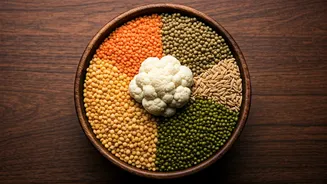
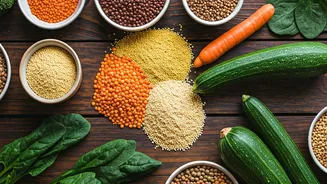
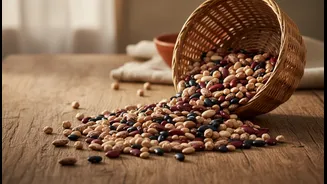
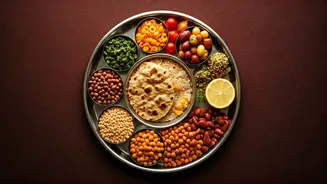
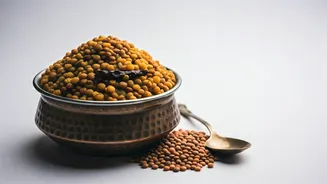
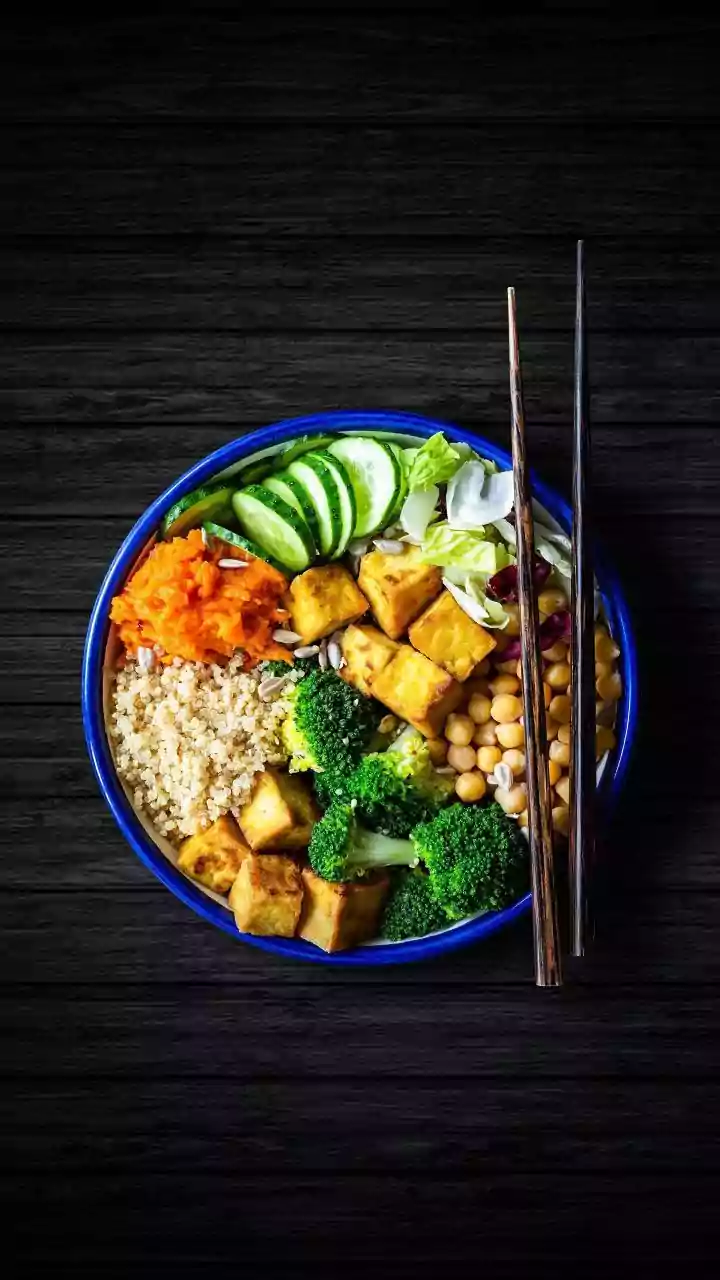
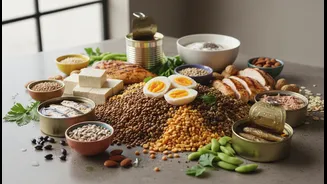
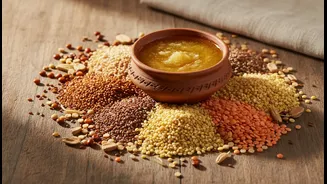
Before you reach for a fancy imported protein bar, it’s worth remembering that Indian kitchens have always been stocked with high-protein snacks. Many traditional favourites are naturally rich in protein and are making a big comeback. Roasted chana (Bengal gram) is perhaps the original Indian protein snack—crunchy, affordable, and packed with both protein and fibre. Another classic is a colourful sprouts chaat, made with boiled moong or mixed sprouts, which is light, tangy, and incredibly nutritious. Simple grilled or sautéed paneer cubes are an excellent source of protein, keeping you full for longer. Even snacks like moong dal chilla or a handful of peanuts offer a significant protein boost, proving that healthy snacking has been part of our culture all along.
The Modern Protein Aisle
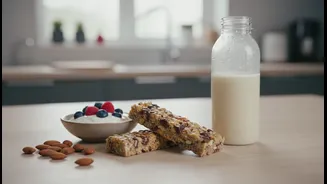
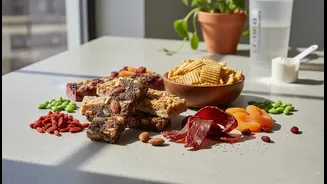
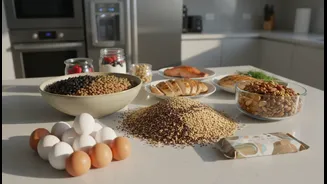
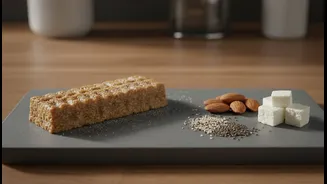
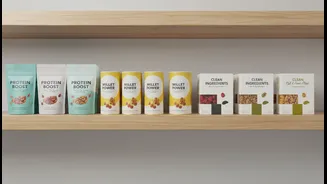
Alongside traditional options, a new wave of innovative and convenient protein snacks has flooded the Indian market. Brands are getting creative, launching everything from protein-fortified chips and wafers to flavoured makhana (fox nuts). Greek yogurt, which has a higher protein content than regular dahi, has become a popular base for a quick snack when paired with nuts or seeds. You can also find roasted edamame beans, protein cookies, and a wide variety of protein bars designed for different needs. Even classic snacks are getting a protein upgrade, with options like millet-based khakhra and jowar crispies gaining popularity. These modern snacks cater to busy, on-the-go lifestyles while delivering on the promise of clean ingredients and high nutritional value.
How to Make It a Healthy Habit
Incorporating protein into your evening snack routine is simple. If you prefer traditional options, keep a jar of roasted chana or makhana on your desk. You can prepare a batch of boiled sprouts or chickpeas at the start of the week for a quick chaat. When choosing packaged snacks, get into the habit of reading the labels. Look for products where protein is a key ingredient, not an afterthought, and be mindful of hidden sugars and unhealthy fats. The goal is a balanced snack of around 150-200 calories that includes a good source of protein to keep you satisfied. Whether it's an apple with peanut butter, a small bowl of curd with fruit, or a few cubes of paneer tikka, find what you enjoy and what fits your lifestyle.