


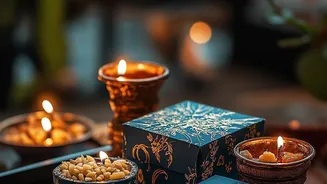
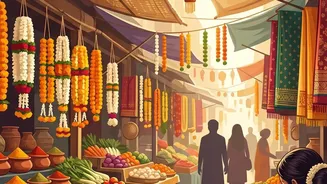
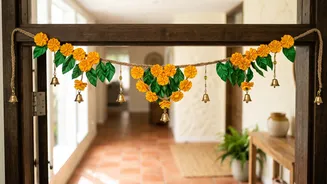
Take a look inside the most stylish urban Indian homes today, and you’ll notice a significant shift. The perfectly coordinated, mass-produced look is fading, replaced by spaces that feel personal, warm, and rich with stories. At the heart of this change
is a renewed love for handcrafted artisanal products. From rustic wooden carvings to vibrant handwoven textiles, these unique items are transforming modern interiors. So, what’s driving this major design movement?
The Search for Authenticity in a Digital World
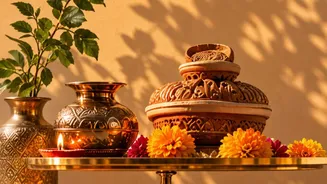
In an age of fast furniture and identical decor, homeowners are actively seeking uniqueness. There is a growing desire for homes to reflect personal style rather than a catalogue showroom. Handcrafted items offer just that—a sense of soul and individuality that machine-made products cannot replicate. Every handmade piece, with its subtle variations in texture, finish, or design, carries the signature of the artisan who created it. This authenticity has become the new luxury for urban consumers, who want to own objects with character and a story, whether it's a Dhokra metal craft statue or a hand-carved wooden sculpture.
Sustainability Becomes a Core Design Principle
Conscious consumerism is no longer a niche concept; it's a major force shaping buying decisions, especially in home decor. Homeowners are increasingly aware of the environmental impact of their choices, leading them away from plastic and factory-made goods. Indian handicrafts align perfectly with this sustainable ethos. Artisans often use locally sourced, natural materials like wood, clay, metal, jute, and cotton, which are eco-friendly and biodegradable. This focus on traditional, energy-efficient production methods not only reduces waste but also supports a circular economy, making handcrafted decor a responsible and stylish choice.
Modern Aesthetics Meet Traditional Techniques
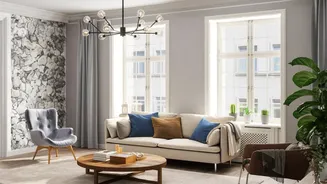
One of the biggest reasons for the current boom is that Indian crafts are no longer confined to traditional forms. Artisans and designers are brilliantly adapting age-old techniques to suit contemporary tastes. Think of the clean, minimalist lines of Scandinavian design enlivened by a vibrant Madhubani painting, or a rustic Warli print adding character to a neutral-toned living room. Crafts like Kalamkari, once used for religious scrolls, are now found on modern upholstery and wall panels. This fusion allows homeowners to celebrate Indian heritage without compromising on a modern aesthetic, blending old-world charm with clean, functional layouts.
A Celebration of Cultural Identity
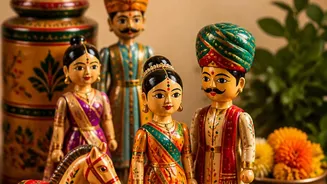
As modern architecture can sometimes feel uniform globally, there is a growing desire to create spaces that feel culturally rooted. Incorporating Indian folk art and crafts into home decor has become an act of cultural pride and a way to connect with one's heritage. Displaying a brass Nandi, a collection of kathputli, or a wall adorned with Pattachitra is more than just a design choice; it's a celebration of India’s rich artistic legacy. These pieces add an emotional warmth and a human element, transforming a house into a home that tells a personal and cultural story.
The Digital Bridge to Artisans
The digital revolution has played a crucial role in this trend. Ecommerce platforms and social media have made it easier than ever for urban consumers to discover and buy directly from artisans and collectives across the country. This directtoconsumer access removes middlemen, ensuring artisans get a fairer price while giving buyers a transparent connection to the product's origin. Websites and online stores showcase the stories behind the crafts, allowing consumers to feel more connected to the items they purchase and the communities they are supporting.