






The Psychology of Natural Comfort
There's a reason a walk in a forest or a day at the beach feels so restorative. Humans have an innate desire to connect with nature, a concept known as biophilia. When we bring natural elements indoors, we tap into this connection. Materials like wood,
stone, and plant fibres have been shown to reduce stress and create a soothing atmosphere. In a small home, where walls can feel like they are closing in, these textures provide a sense of calm and authenticity that sterile, synthetic materials often lack. They engage our senses, making a space feel more alive and less confined.
Wood: The Ultimate Grounding Element
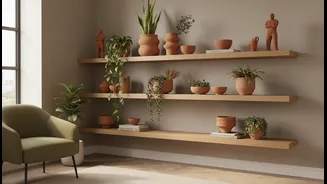
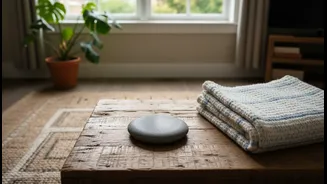
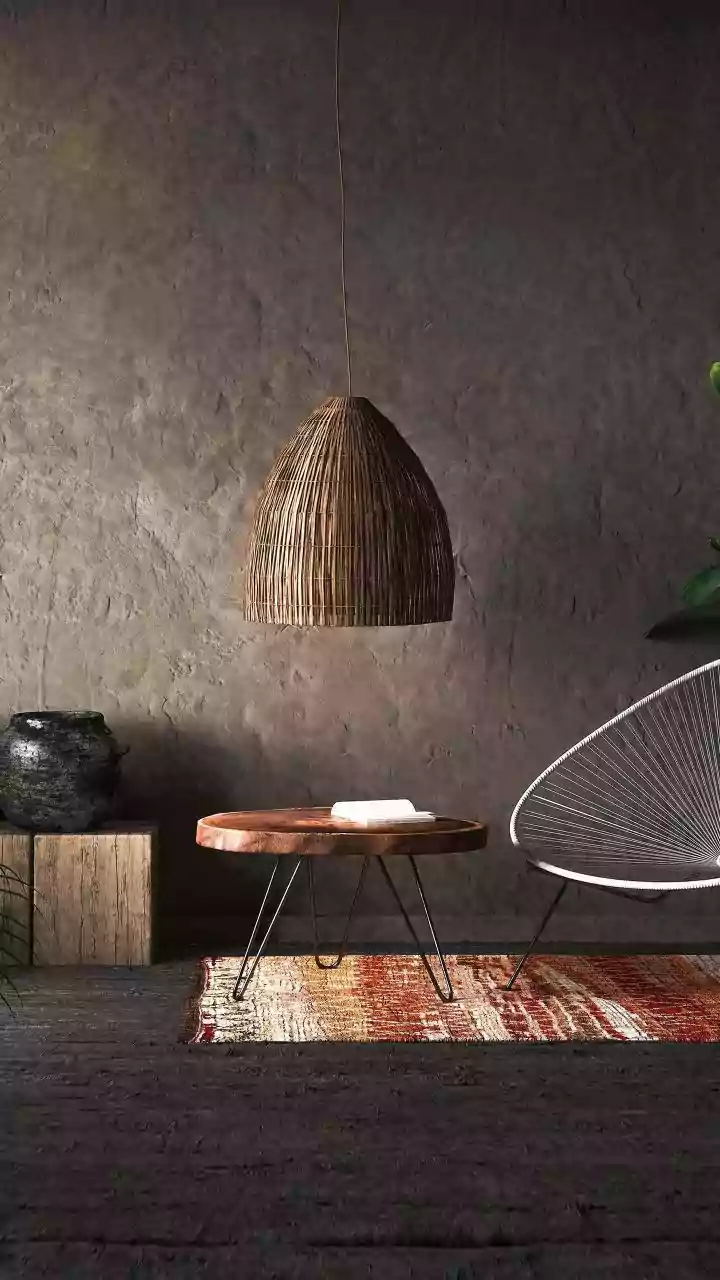
Wood is perhaps the most essential natural finish for creating warmth. Its grain, texture, and tones add depth and character that can make a room feel both cozy and sophisticated. In a small home, consider using light-coloured woods like bamboo or light oak for flooring and furniture. These lighter tones reflect light, which helps a room feel more expansive. You can also incorporate wood in smaller doses, such as a reclaimed wood coffee table, live-edge shelving, or even wooden picture frames. These accents serve as focal points that ground the space without overwhelming it.
Stone and Clay: An Earthy Foundation
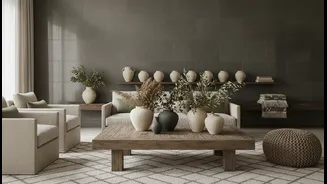
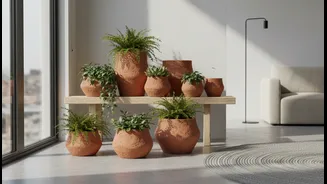
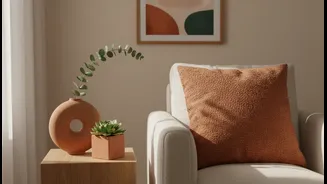
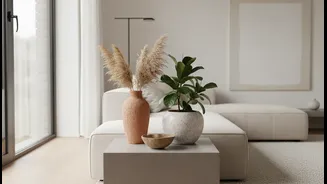
Stone and earthenware connect a home to the earth, providing a sense of permanence and stability. While you might not be laying a new stone floor, you can introduce these elements in many other ways. A slate or marble backsplash in the kitchen, a stone-topped vanity, or even decorative objects like granite bookends can add a touch of earthy elegance. In warmer climates like India, materials like terracotta, kota stone, and marble are not only culturally resonant but also offer natural cooling properties. Clay pots for plants, earthenware vases, or a few decorative terracotta tiles can add texture and a calming, handmade feel.
Natural Textiles: Weave in Softness
The fastest way to add comfort is through textiles. Opting for natural fabrics like cotton, linen, jute, and wool can instantly soften a room's hard edges. These materials are breathable and add tactile interest that makes a space more inviting. In a small living room, a jute rug can define the space while adding a rustic, earthy texture. Linen curtains, hung high and wide, can make windows feel larger and allow natural light to filter through softly, enhancing the sense of airiness. Layering is key: a chunky wool throw on a cotton-upholstered sofa creates a look that is both comfortable and visually rich.
Greenery: The Finishing Touch
No discussion of natural finishes is complete without mentioning plants. Greenery is the most literal way to bring the outdoors in, improving air quality and providing a vibrant splash of colour. In small spaces, it's important to be strategic. Vertical gardens or living walls can add lushness without taking up valuable floor space. Hanging plants like pothos or ferns can soften corners, while a single tall plant like a fiddle-leaf fig can create a dramatic focal point. Even a small herb garden on a kitchen windowsill or a terrarium on a desk can make a home feel more alive and connected to nature.
Maximise Light and Space
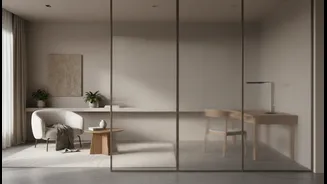
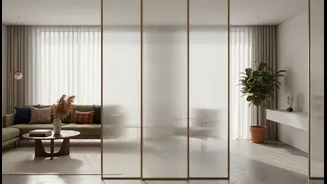
Natural finishes work best when they are well-lit. Maximising natural light is crucial in a small home. Use sheer curtains that let daylight flow in, and place mirrors opposite windows to bounce light around the room, making it feel brighter and bigger. When choosing paint, opt for nature-inspired colours in lighter shades, such as soft whites, sage greens, or sandy beiges. These hues serve as a neutral backdrop that complements the natural materials and enhances the overall feeling of spaciousness and calm.