







The Unseen Workload of a Teacher
Behind every 40-minute class is a mountain of unseen work. Teachers across India spend an average of 8 to 12 hours every week just on planning, grading, and administrative tasks. This figure doesn't even account for the mental load of catering to diverse
classrooms, where students have varying learning paces and needs. The pressure to create engaging, effective, and differentiated lessons day after day is a significant contributor to teacher stress and burnout, with studies showing that educators experience higher rates of job-related stress than most other professionals. This heavy workload not only impacts teacher well-being but can also lead to higher attrition rates in the profession.
How AI Steps In as a Planning Partner
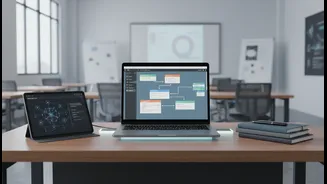
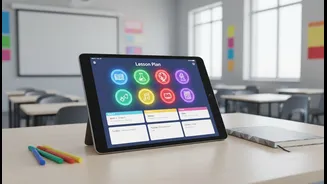
Imagine turning a simple prompt, like “Create a one-week lesson plan for Class 8 science on the human body,” into a detailed outline complete with activities and assessment questions in just minutes. This is the core function of AI lesson planners. Teachers input their subject, grade level, learning objectives, and desired teaching model, and the AI generates a structured plan. These tools can draft everything from entire unit plans to individual worksheets, presentations, and quizzes. For Indian educators, many platforms now offer alignment with CBSE, ICSE, and state board curricula, ensuring the generated content is relevant and syllabus-compliant.
The Promise of a Lighter Load
The primary benefit is time. Studies suggest that teachers using AI for administrative tasks can save several hours each week. Instead of starting from a blank page, educators get a solid first draft that they can then refine and personalise. This doesn't just reduce planning time; it frees up mental energy. Teachers can then focus their expertise on the creative aspects of teaching—adapting activities for their specific students, anticipating classroom challenges, and designing more interactive experiences rather than getting bogged down in the basic structure. It also makes differentiation more manageable, allowing teachers to quickly generate varied materials for students at different learning levels.
Navigating the Doubts and Drawbacks
Despite the potential, AI in the classroom raises valid concerns. A key issue is the risk of generic, uninspired content. An AI does not know the students in the room—their interests, their inside jokes, or their specific learning hurdles. Over-reliance on these tools could lead to a decline in a teacher's own planning skills and critical thinking. There are also significant ethical considerations, including student data privacy and algorithmic bias, where AI systems might perpetuate existing inequities. Furthermore, a lack of institutional policy and training can leave educators feeling overwhelmed and unsupported in navigating this new technology.
The Irreplaceable Human Element
Ultimately, experts agree that AI is a tool to support teachers, not replace them. An AI can generate a quiz, but it can't sense a student's frustration or see the spark of understanding in their eyes. It can suggest an activity, but it can't manage a classroom, build relationships, or provide the empathy and emotional support that are foundational to learning. The most effective use of these tools positions the teacher as the final editor and expert. The AI provides the rough draft, but the teacher uses their professional judgment and deep knowledge of their students to craft the final, effective, and human-centered learning experience.