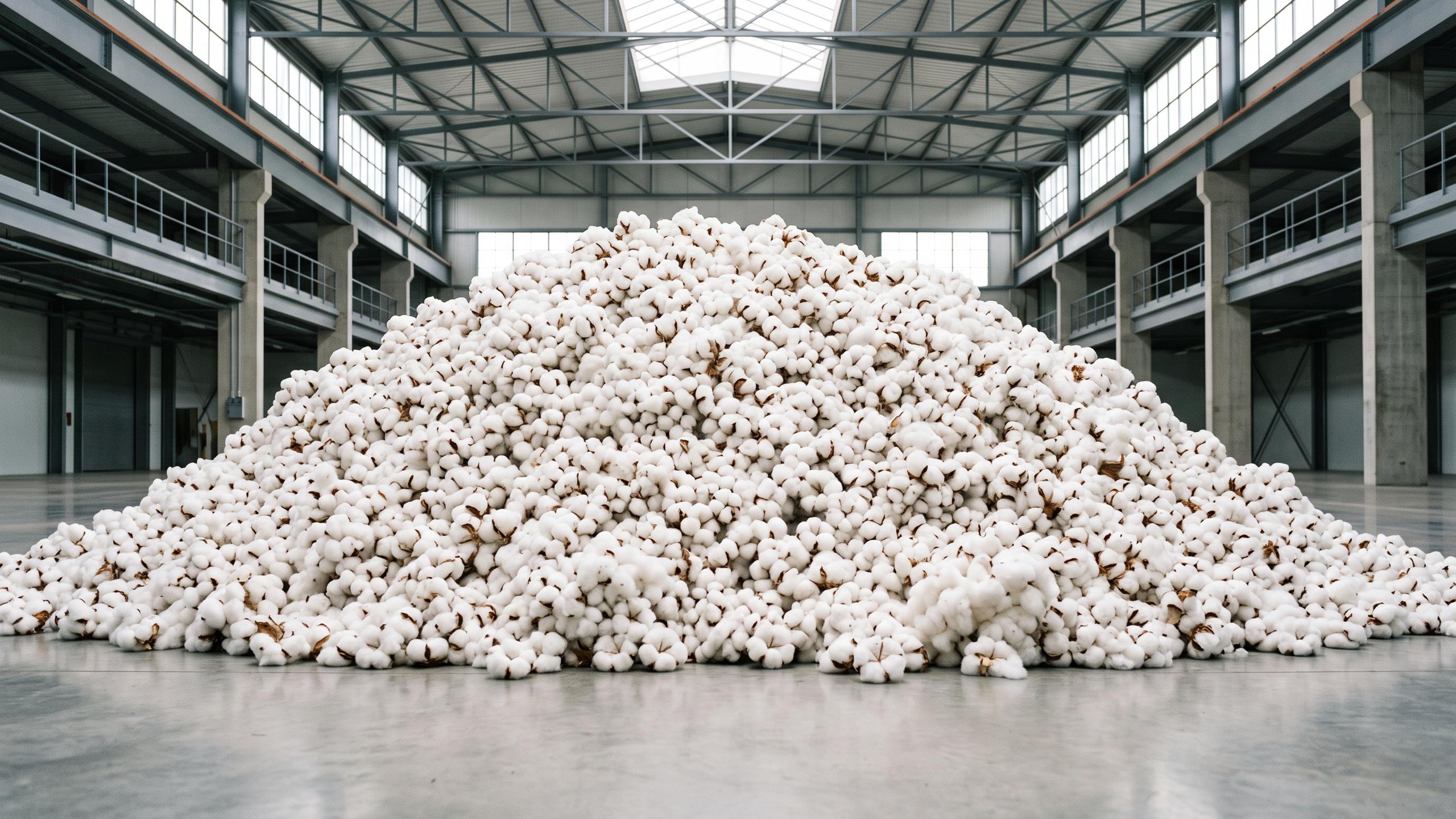









India's garment industry is navigating a volatile period marked by fluctuating cotton prices and critical policy shifts. A temporary removal of import duties on cotton is set to expire, forcing manufacturers to reassess their entire cost structure.
The Core Issue: Cotton Price Volatility
The
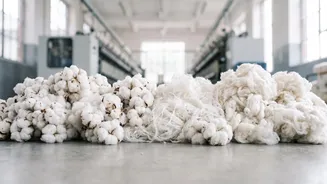
single largest cost for a garment manufacturer is fabric, which can account for 40-50% of the total price of a finished product. For India's textile sector, the price of its primary raw material, cotton, has been a significant source of pressure throughout 2026. Domestic cotton production for the 2026-27 season is expected to be lower than demand due to factors like erratic monsoon rains. Projections estimate output to be as low as 29 million bales against a demand of over 34 million bales. This supply-demand gap has kept domestic prices firm. For instance, benchmark cotton prices saw a sharp increase in October, rising by over ₹4,000 per candy (a unit of 355.62 kg) in just a couple of weeks.
The Government's Intervention Explained
To provide relief to the textile industry, the Indian government took a significant step. It temporarily suspended the 11% import duty, which includes the Basic Customs Duty and the Agriculture Infrastructure and Development Cess, on raw cotton. This duty-free window was effective from June 1, 2026, and was scheduled to end on October 31, 2026. The goal was to allow mills to import cotton at more competitive international prices during the lean season, thereby stabilising input costs and supporting downstream manufacturers, especially small and medium enterprises. As the deadline approached, industry bodies began advocating for an extension, citing continued high domestic prices and concerns over a potential raw material shortage.
The New Cost Equation for Manufacturers
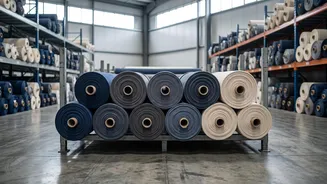
The duty exemption directly impacts the cost of raw material for spinning mills, which then translates down the value chain to weavers and garment makers. Without the 11% duty, mills could source cotton from international markets like the United States, Brazil, and Australia more affordably, helping to bridge the domestic supply gap. However, with the exemption set to expire and domestic prices remaining high, manufacturers are facing renewed uncertainty. The cost of cotton yarn, a direct derivative of raw cotton, had already climbed significantly in 2026. The re-imposition of the import duty would make it harder for Indian textiles to remain competitive, especially as they vie for export orders against countries like Bangladesh and Vietnam. As of late October, the government is reportedly considering an extension of the duty-free period through December 2026 to ease this pressure.
Beyond Cotton: Other Key Costs
While cotton is the dominant cost driver, it's not the only expense for garment makers. A complete cost breakdown includes several other critical components. Cut-Make-Trim (CMT) services, which cover the actual sewing and assembly of the garment, typically represent 25-35% of the cost. This includes labour, which remains a core advantage for India with average factory wages more competitive than in other Asian hubs. Other significant expenses include factory overheads like electricity and machine maintenance (10-20%), printing or embroidery (10-20%), and finishing touches like packing and trims (5-10%). Therefore, even with relief on cotton prices, manufacturers must manage these other operational costs to protect their margins, which typically range from 8% to 15% for a wellrun unit.
Impact on Margins and Global Competitiveness
The volatility in cotton prices and the uncertainty surrounding import duties directly squeeze the profit margins of Indian garment exporters. When raw material costs rise, manufacturers are faced with a difficult choice: absorb the cost and accept lower profits, or pass the increase on to international buyers and risk losing orders. The government's PLI schemes and the development of integrated textile parks are aimed at boosting longterm competitiveness. Furthermore, new trade agreements, such as the one with the UK that removes tariffs on textile exports, present significant opportunities. However, to capitalise on these, a stable and predictable raw material pricing environment is crucial. The industry's ability to manage the cotton cost variable in the coming months will be a key determinant of its success in the global market.