






Why the Moon, Again?
Unlike the Apollo program, which was a sprint to prove technological dominance, the current lunar push is about long-term settlement. [24] Today's missions, led by NASA's Artemis program and involving numerous international and commercial partners, view
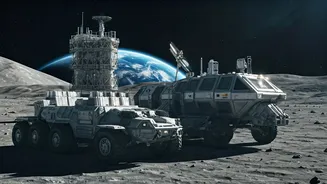
the Moon as a crucial stepping stone. [22] The goal is to establish a sustainable presence, learn to live and work on another celestial body, and use its resources. [24] The lunar south pole is a key target because it's believed to hold deposits of water ice in permanently shadowed craters. [14, 24] This ice could be mined to provide drinking water, breathable air, and, crucially, rocket propellant, potentially turning the Moon into a cosmic refueling station for missions deeper into the solar system. [4, 22] It’s about creating the infrastructure for a permanent off-world economy and presence. [22, 24]
A Stepping Stone to Mars
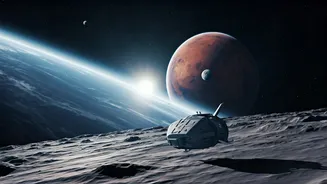
The ultimate goal for many space agencies is no longer the Moon, but Mars. [2] Everything we do on the Moon is practice for the Red Planet. Mastering lunar landings, constructing habitats, and utilising local resources are all dress rehearsals for the much more challenging task of sending humans to Mars, which is months away from Earth, compared to the Moon's few days. [4] NASA explicitly states that the Artemis program is the foundation for the first crewed missions to Mars. [2] The plan is to build a permanent base on the Moon by 2032, which will serve as a jumping-off point for these future missions. [9] By testing technologies and human endurance in the lunar environment, we significantly reduce the risks for the first generation of Martian explorers. [8]
The Commercial Space Gold Rush
This new era of space exploration is not just being driven by governments. A burgeoning commercial space industry is playing a pivotal role. [23] Companies like SpaceX and Blue Origin are not just contractors; they are developing their own rockets and landers. [20, 26] NASA's Commercial Lunar Payload Services (CLPS) initiative actively partners with private companies to deliver science and technology to the lunar surface. [23, 26] This has lowered costs and accelerated innovation. [23] Beyond transport, other companies are developing plans for everything from lunar construction using moon dust to mining asteroids for rare minerals. [23] As the International Space Station (ISS) nears its planned decommissioning in 2030, private companies like Vast are already building the next generation of commercial space stations in Earth's orbit, ensuring a continued human presence in space. [27, 30]
India's Ascent in the Cosmos
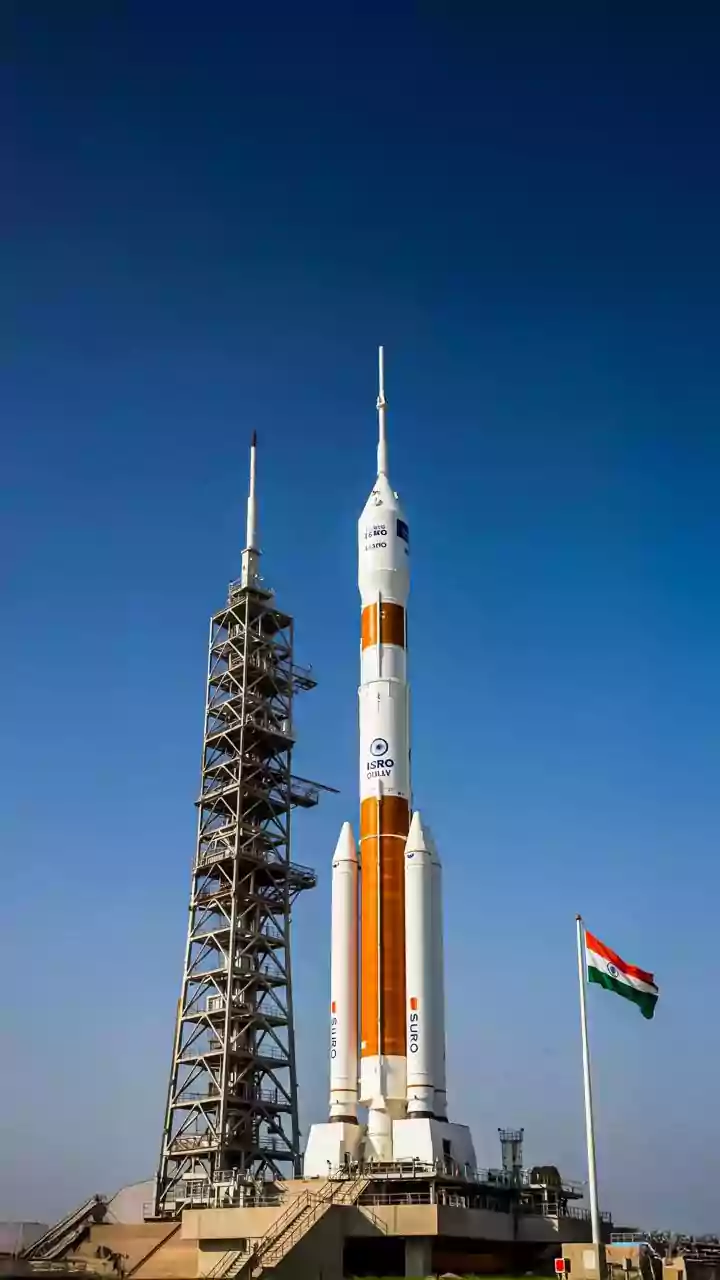
India is a major player in this new chapter of space exploration. Following the historic success of Chandrayaan-3, which made India the first country to land near the lunar south pole in 2023, the Indian Space Research Organisation (ISRO) has laid out an ambitious roadmap. [16, 18] The goals include a crewed lunar landing by 2040 and establishing India's own space station, the Bharatiya Antariksh Station, by 2035. [15, 16] Future missions are already in the works, including Chandrayaan-4, a sample-return mission planned for 2027, and a joint mission with Japan to explore the lunar south pole further. [17, 18] These efforts are part of India's broader 'Space Vision 2047,' aimed at transforming the nation into a leading spacefaring power. [18]