



The Foundation: Make It 'Repeated'
The first principle is about consistency. Instead of trying to pack all your protein into one large meal, the goal is to distribute your intake throughout the day. Spacing out protein helps maintain energy levels, supports muscle repair, and keeps you feeling
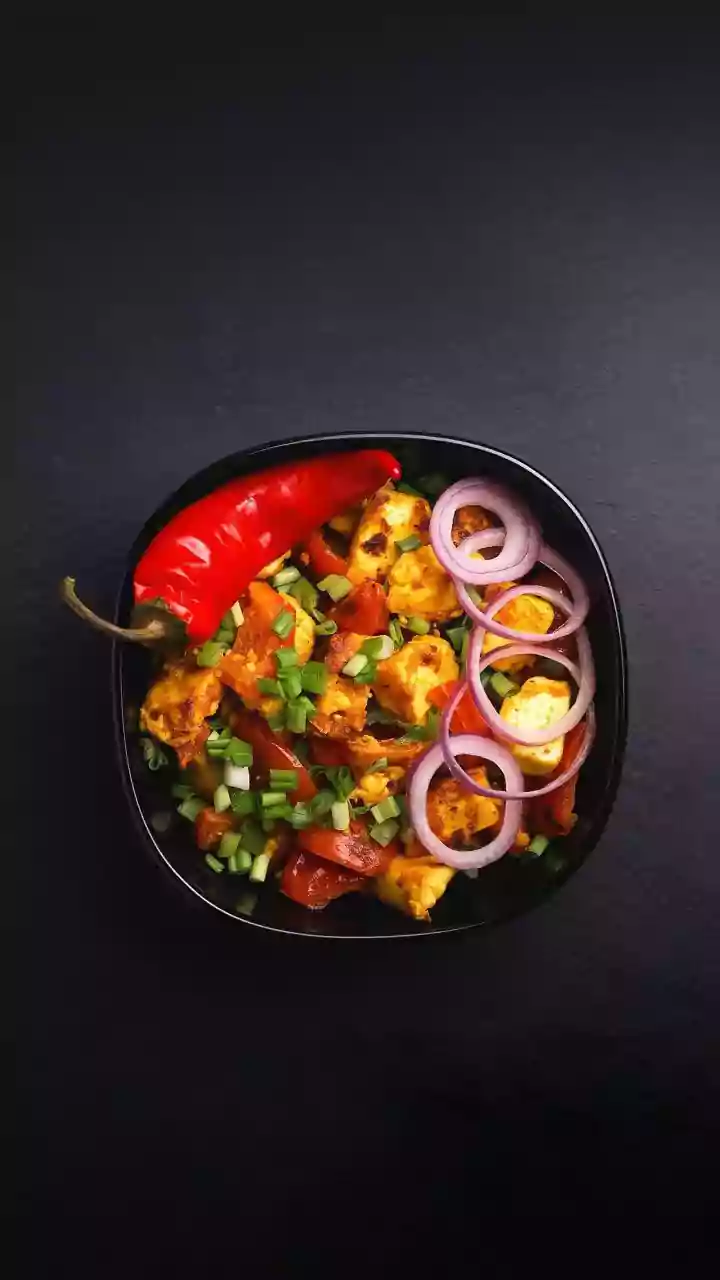
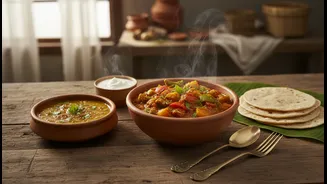
full and satisfied. Aim to include a source of protein with every meal—breakfast, lunch, and dinner—and even in your snacks. This repeated approach ensures your body has a steady supply of amino acids, the building blocks of protein, to use for everything from immune function to metabolic health. A strong start to the day could be a moong dal chilla or a bowl of dahi with seeds. Lunch could feature a hearty dal and for dinner, a paneer or tofu curry. By making protein a regular feature of every meal, you build a solid foundation for your daily needs without feeling overwhelmed.
The Power of 'Ordinary' Foods
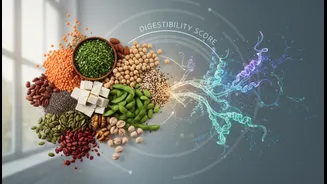
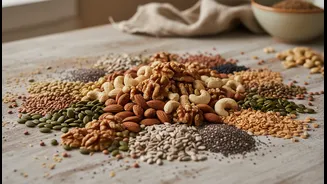
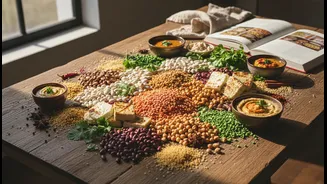
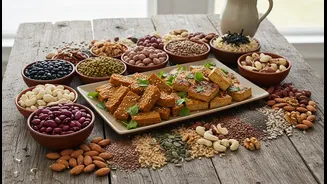
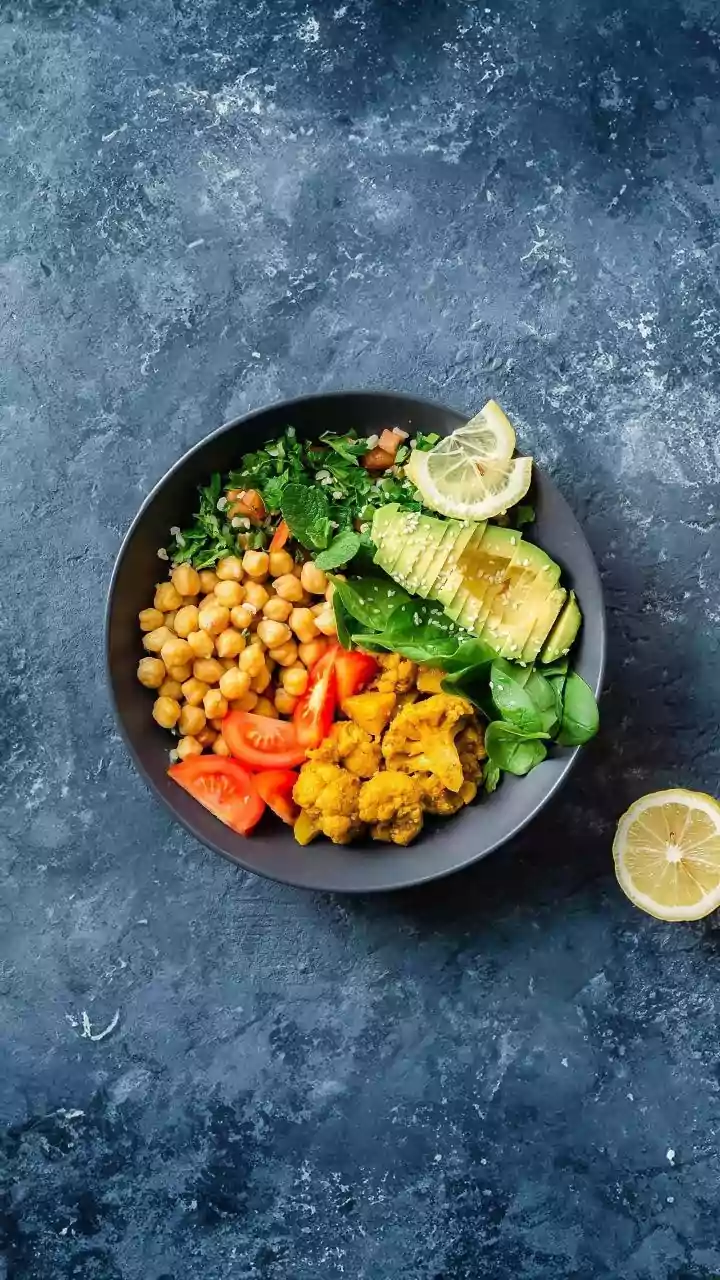
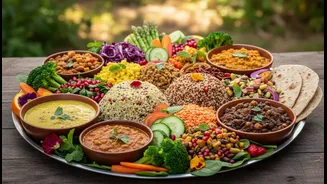
You don't need expensive powders or exotic ingredients to meet your protein goals. The Indian kitchen is already a powerhouse of affordable, accessible, and protein-rich foods. Lentils (dal), chickpeas (chana), and kidney beans (rajma) are staples for a reason; a single cup of cooked lentils can provide around 18 grams of protein. Dairy products like paneer, dahi (curd), and milk are excellent sources of high-quality protein. Paneer, for instance, contains a slow-digesting protein that helps you feel full longer. Everyday vegetables like spinach, peas, and mushrooms also contribute to your total intake. Even common nuts and seeds, such as almonds and chia seeds, offer a protein boost. Focusing on these 'ordinary' and widely available foods makes your protein strategy sustainable, budget-friendly, and deeply familiar.
The Key to Completion: Keep It 'Varied'
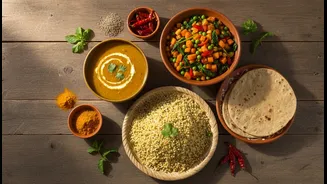
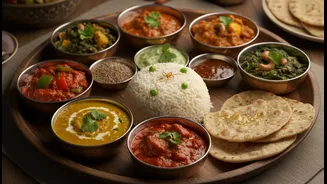
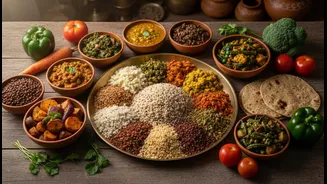
This is where the magic happens. Most plant foods are considered 'incomplete' proteins, meaning they are low in one or more of the nine essential amino acids our bodies can't make themselves. However, by combining different plant foods, you can easily create a 'complete' protein profile. This is a concept that is already built into traditional Indian meals. The classic combination of dal and rice is a perfect example; dal is rich in the amino acid lysine but low in methionine, while rice is the opposite. Eaten together, they provide all the essential amino acids. The same principle applies to rajma with roti, dosa with sambhar, and hummus with pita bread. By eating a varied diet that includes legumes, grains, nuts, seeds, and vegetables, you ensure your body gets the full spectrum of amino acids it needs to thrive. Some plant foods like soy (tofu, edamame), quinoa, and chia seeds are naturally complete proteins on their own.
Putting It All Together: A Simple Daily Plan
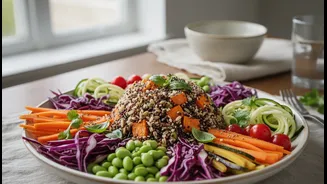
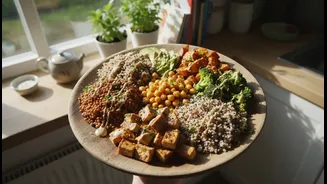
So, what does a day of repeated, ordinary, and varied protein look like? It's simpler than you think. For breakfast, you could have paneer bhurji with toast or a couple of besan chillas. At lunchtime, a bowl of rajma with a small roti or a serving of chana masala with rice provides a powerful, complementary protein punch. For an afternoon snack, a handful of roasted chana or a small bowl of Greek yogurt (hung curd) with nuts can keep your energy levels stable. Dinner could be a palak tofu curry or a mixed vegetable pulao made with quinoa to ensure you're getting another solid serving of protein before the end of the day. This approach doesn't require a radical diet change but rather a thoughtful assembly of the delicious, protein-rich foods already a part of Indian cuisine.