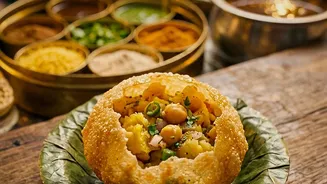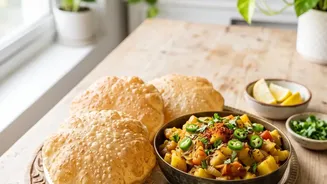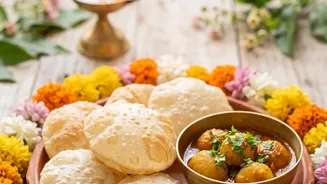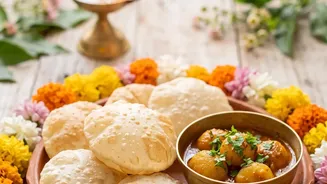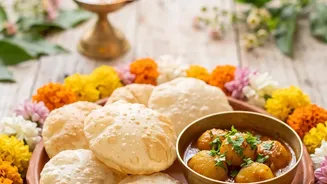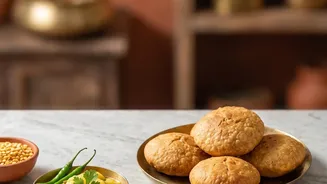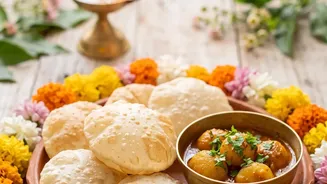

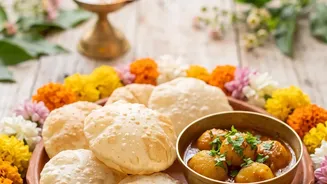

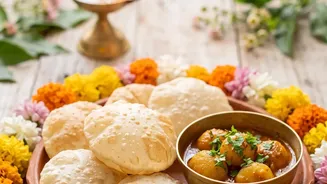
The aroma of freshly fried, puffy puris and a fragrant aloo sabzi is a cornerstone of Indian comfort food. This beloved meal, perfect for lazy Sundays and festive mornings alike, holds a delicious secret: it's incredibly budget-friendly.
A Dish Steeped in Tradition
Puri sabzi is
more than just a meal; it's a cultural touchstone across India. From bustling street-side stalls in the north to celebratory feasts at home, this combination is a universal favourite. It’s the go-to breakfast that turns a regular weekend into something special, a reliable travel companion packed in tiffins, and a nostalgic dish that evokes memories of family gatherings. The simplicity of its preparation and its satisfying nature have made it a staple that transcends regional variations, beloved by all generations for its heartwarming quality.
The Pantry's Economic Powerhouses
The secret to puri sabzi's affordability lies in its two core ingredients: atta (whole wheat flour) and potatoes. Both are among the most accessible and inexpensive staples in any Indian kitchen. While overall food costs have risen, potatoes remain one of the most economical vegetables available, with wholesale prices often staying low. Similarly, whole wheat flour is a fundamental grocery item that provides the foundation for countless meals without straining the budget. This reliance on low-cost, high-value ingredients is a hallmark of traditional cooking, proving that a delicious and filling meal doesn't require expensive components.
Crafting the Perfect Aloo Sabzi
The beauty of aloo sabzi lies in its simplicity. At its heart, it is a humble curry made from boiled potatoes, but it can be adapted in countless ways. A basic version involves sautéing spices like cumin seeds, turmeric, and coriander powder before adding boiled and lightly mashed potatoes. Some recipes call for a tomato and ginger base to create a richer gravy, while others are simpler, letting the flavour of the potatoes shine. You can make it a dry 'sukhi sabzi' or a gravy-based 'tari wali sabzi'. For added flavour without much cost, consider adding a pinch of asafoetida (hing), some crushed kasuri methi (dried fenugreek leaves), or a dash of amchur (dry mango powder) for a tangy finish.
The Art of the Fluffy Puri
A perfect puri is a thing of joy: puffed up, golden, and soft. Achieving this result is a matter of technique. The dough is key; it should be firm but pliable, kneaded well with a little oil and water. Resting the dough for 15-20 minutes allows the gluten to relax, which helps in rolling and puffing. When it's time to fry, the oil temperature is crucial. It must be hot enough so the puri puffs up almost immediately upon being submerged. Gently pressing the puri with a slotted spoon encourages it to inflate evenly. Once puffed and golden, remove it to a paper towel to drain excess oil, ensuring it stays light and delicious.
Maximising Flavour and Minimising Cost
While already economical, you can make your puri sabzi even more budget-conscious. Buying atta and potatoes in larger quantities, when storage is available, often reduces the per-kilogram cost. To enhance the nutritional value without much expense, you can add seasonal vegetables like peas or carrots to the sabzi. While deep-frying is essential for puris, ensuring the oil is at the correct temperature reduces absorption, making your oil last longer. Furthermore, using whole wheat flour instead of refined maida for your puris is not only a healthier choice due to higher fibre content but is also often more economical.