





The Wild Heart of Rajasthan
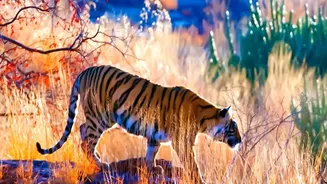
The Dang region, encompassing parts of Karauli and neighbouring districts, is a landscape defined by its challenging terrain. It forms a significant part of the Kaila Devi Wildlife Sanctuary, a northern extension of the famous Ranthambore Tiger Reserve.
This area is not a gentle, rolling forest but a network of steep slopes, deep gorges, and dry deciduous woodlands that come alive during the monsoon. Historically, these forests were the hunting grounds of royalty, but today they are recognized as a crucial corridor for wildlife, including leopards, sloth bears, and striped hyenas. It is within this harsh yet resilient ecosystem that the wild beri, a type of jujube, grows, flourishing without any human cultivation, irrigation, or fertiliser. This hardy plant stands as a testament to the tenacity of nature in the arid lands of Rajasthan.
The Forest's Own Apple
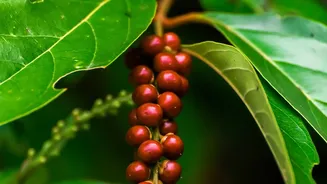
Locally known as the 'jungle apple', the wild beri is a celebrated seasonal delicacy. Ripening in the winter sun, the fruit develops a distinctive sweet and sour flavour that is eagerly awaited by local communities. Unlike its cultivated cousins, this wild variety grows entirely on its own, its existence a harmonious dance with the local climate and soil. Nutritionally, it is a powerhouse, packed with Vitamin C and dietary fibre, which serve as a natural immunity booster and aid digestion. For generations, elders in the region have recognised its value, not just for human consumption but as a critical source of winter sustenance for the sanctuary's birds and animals, illustrating a perfect, self-sustaining ecological cycle.
A Fruit of Faith and Folklore
The significance of the wild beri transcends its nutritional value, extending deep into the realm of faith and mythology. The fruit is most famously associated with the story of Shabari, the devoted tribal woman who offered sweet berries to Lord Ram during his exile, an act that has become a timeless symbol of pure, humble devotion in Hindu tradition. This ancient narrative imbues the fruit with a sacred quality. The entire forest region is considered hallowed ground, with numerous sacred groves protected by local communities and dedicated to various deities. The epicenter of this devotion is the Kaila Devi Temple, a major pilgrimage site located within the sanctuary on the banks of the Kalisil River. The goddess, Kaila Devi, is a revered form of Mahalakshmi and is considered the guardian deity of the region, her temple drawing millions of pilgrims annually.
The Goddess and Her Sacred Grove
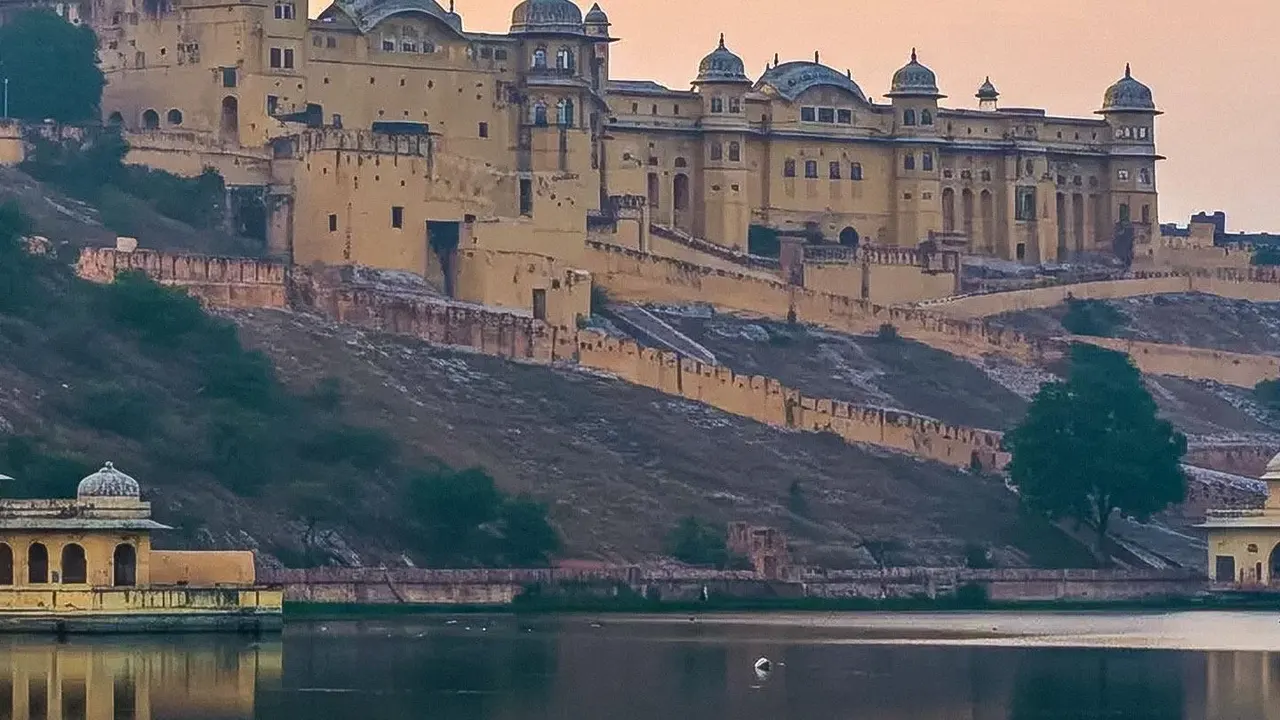
Kaila Devi is worshipped as a powerful incarnation of Adi Shakti, the primordial energy. According to the Skanda Purana, the goddess herself proclaimed that in this era, or Kali Yuga, she would be known as Kaila. Local legend tells of her sacred idol being brought to its current location in the 11th century to protect it, with the bullock cart carrying it refusing to move from that specific spot in the dense forest. The temple was formally established in the 18th century by the ruling Yaduvanshi kings of Karauli, who considered Kaila Devi their family deity. This deep connection between the rulers, the people, the deity, and the surrounding forest created a culture of reverence. The forest and its bounty, including the wild beri, are seen as part of the goddess's sacred domain, a physical manifestation of her divine presence and protection.