





The Rise of Destination Gatekeeping
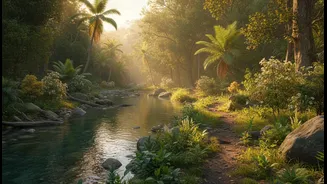
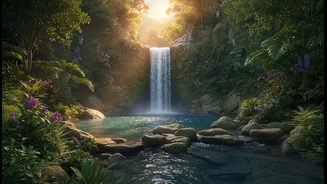
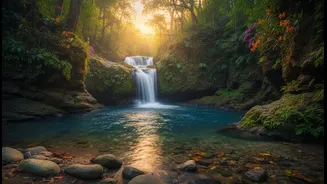
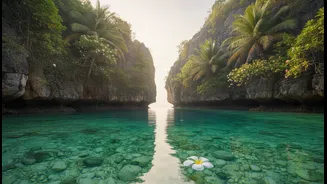
It’s a phenomenon known as 'destination gatekeeping' or 'digital silence'. Travellers are increasingly choosing not to reveal the exact locations of beautiful places they discover. This isn't about being selfish; it's a conscious decision to protect these
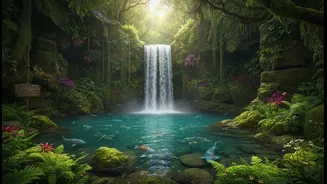
spots from the 'Instagram effect'—the phenomenon where a location goes viral on social media and is subsequently overrun by crowds. From the colourful lanes of Fontainhas in Goa, where residents now plead with tourists not to treat their homes as photo backdrops, to once-hidden waterfalls now teeming with crowds, the consequences of viral fame are visible across India and the world. The idea is simple: not every beautiful place needs to become a trending hashtag.
The Curse of the Perfect Photo
Social media, particularly visually-driven platforms like Instagram, has fundamentally changed how we travel. For young Indians, these platforms are a primary source of travel inspiration. But this quest for the perfect, geotagged photo has a dark side. Overtourism, fuelled by viral posts, puts immense strain on local infrastructure, fragile ecosystems, and communities. Destinations become reduced to photo opportunities, with long queues and disruptive behaviour spoiling the natural ambience. What was once a place of peace and natural beauty can become a degraded, crowded shadow of its former self, with increased litter, soil erosion, and disturbance to wildlife. The very thing that made a place special is destroyed by the desire to capture and share it.
A New Form of Digital Stewardship
Proponents of destination gatekeeping frame it as a form of digital stewardship. In an era where 89% of travellers say they want to travel more sustainably, refusing to geotag a sensitive location is a small but powerful act of conservation. It’s a rebellion against a travel culture that prioritises visibility over experience. It encourages a shift in mindset from 'What can this place do for my online profile?' to 'How can I experience this place respectfully?' This practice is part of a larger trend toward responsible travel, which includes supporting local communities, minimising environmental impact, and engaging with a destination on a deeper level than just a selfie.
Promoting Discovery Over Direction
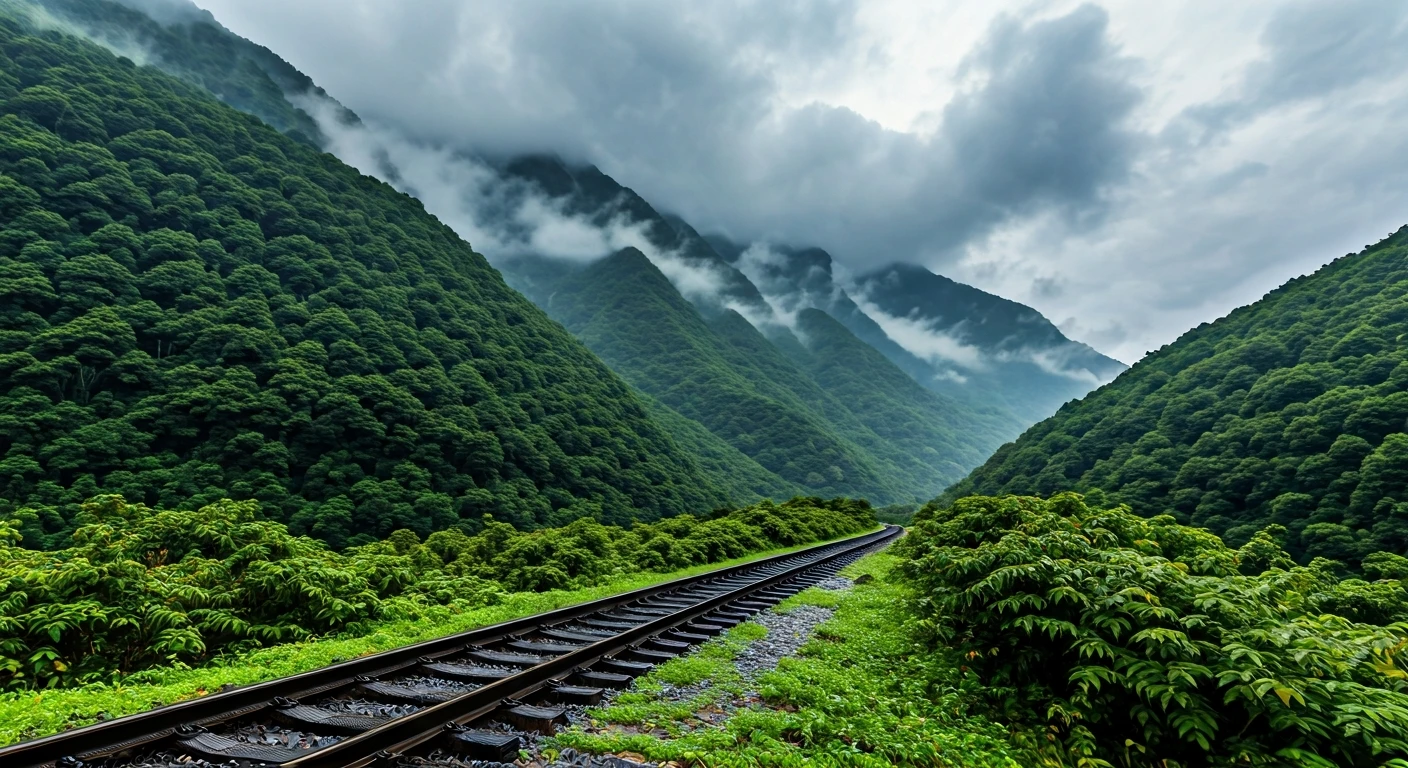
Beyond sustainability, gatekeeping has another, more personal benefit: it brings back the joy of discovery. When every hidden gem is meticulously mapped and tagged, travel can feel like a checklist. You're not exploring; you're following a digital breadcrumb trail left by thousands before you. By offering general hints—'a beautiful valley in Himachal' or 'a quiet beach south of Gokarna'—instead of precise coordinates, gatekeepers encourage a more adventurous and rewarding form of travel. The satisfaction of finding a place through your own research, by asking locals, or by simply wandering, is far greater than being led by a GPS pin. It transforms a trip from a passive experience into an active quest.
Isn't It Just Elitism?
The most common criticism of destination gatekeeping is that it's elitist—an attempt to keep beautiful places exclusive. Critics argue that everyone deserves to enjoy these spots and that information should be shared freely. However, supporters argue that the goal isn't exclusion but preservation. It’s about ensuring that these places survive for future generations to discover, rather than being loved to death in a single season of viral fame. The argument isn't that nobody should go, but that the focus should shift from mass consumption to mindful exploration. Instead of providing an easy-to-follow map, gatekeeping encourages travellers to develop the skills and awareness needed to find these places on their own, fostering a deeper respect for the journey and the destination.