
An Old Material for a New Generation
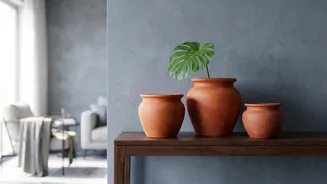
Walk through the home of a design-conscious young Indian and you might notice a recurring theme: the warm, earthy glow of terracotta. From planters and water jugs to lamps and decorative tiles, ‘baked earth’ is making a major comeback. This isn't your
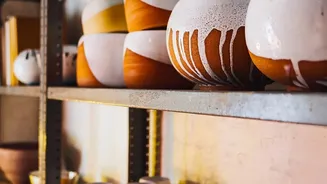
grandmother's collection of dusty pots. Gen Z is reimagining this humble material as a chic, minimalist statement. The trend reflects a broader shift away from disposable, fast-fashion decor towards items with longevity, authenticity, and a story. For a generation that values individuality, terracotta offers a welcome antidote to the uniform look of mass-produced goods, with each piece having subtle variations in colour and texture.
The Ultimate Sustainable Choice
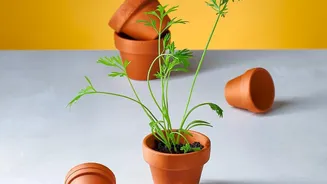
The primary driver behind terracotta's resurgence is its powerful sustainability credentials, a key factor for eco-conscious Gen Z consumers. Terracotta is, at its core, simply natural clay fired in a kiln. Its production process is far less energy-intensive than that of plastics or metals. Being 100% natural, it contains no harmful chemicals and is biodegradable, meaning it can eventually return to the earth without causing pollution. Its durability is another significant plus; a well-made terracotta piece can last for decades, reducing the need for constant replacement and minimising waste. Even if a pot breaks, the pieces can be repurposed in the garden to aid drainage, contributing to a circular lifestyle.
Connecting with Nature at Home
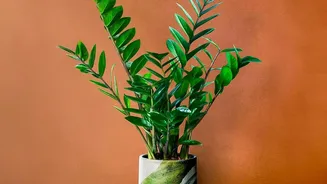
The embrace of terracotta is part of a larger trend known as biophilic design, which focuses on connecting our living spaces with the natural world to improve well-being. In an increasingly digital world, the tactile, grounding quality of clay provides a much-needed connection to something real and tangible. The porous nature of terracotta is beneficial for both plants and people. It allows moisture and air to pass through, which helps prevent overwatering and root rot in houseplants—perfect for the booming “plant parent” culture. This same porosity allows terracotta to regulate humidity in a room, absorbing excess moisture and releasing it slowly, which can contribute to a healthier indoor environment.
Beyond the Planter Pot
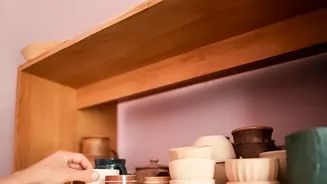
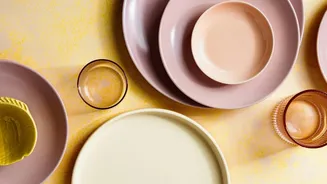
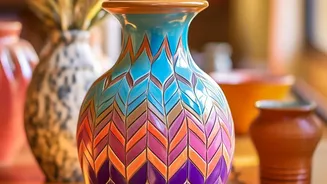
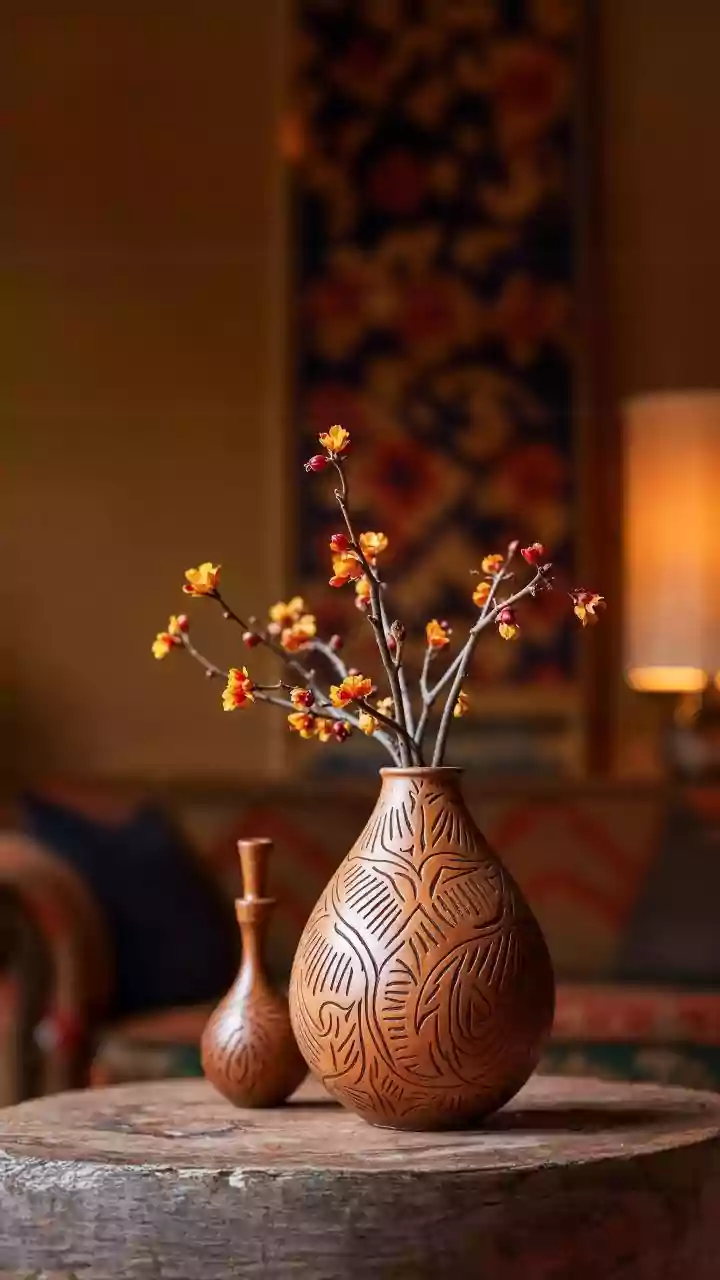
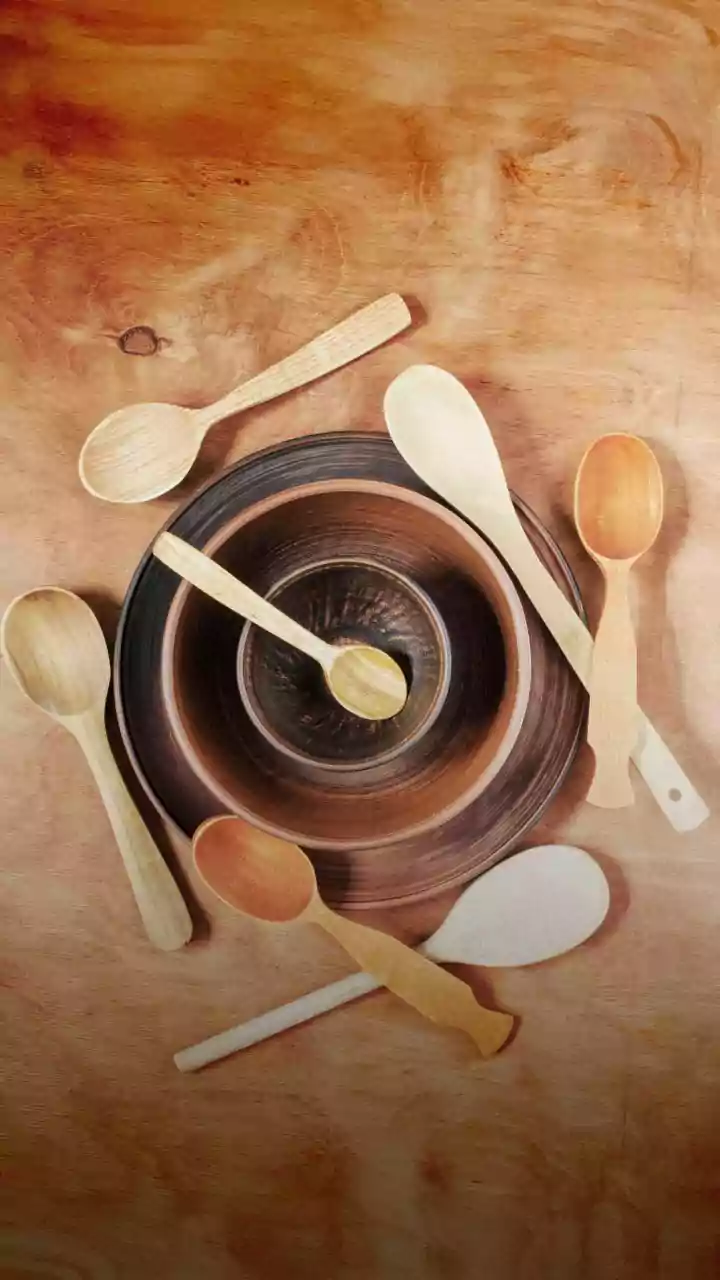
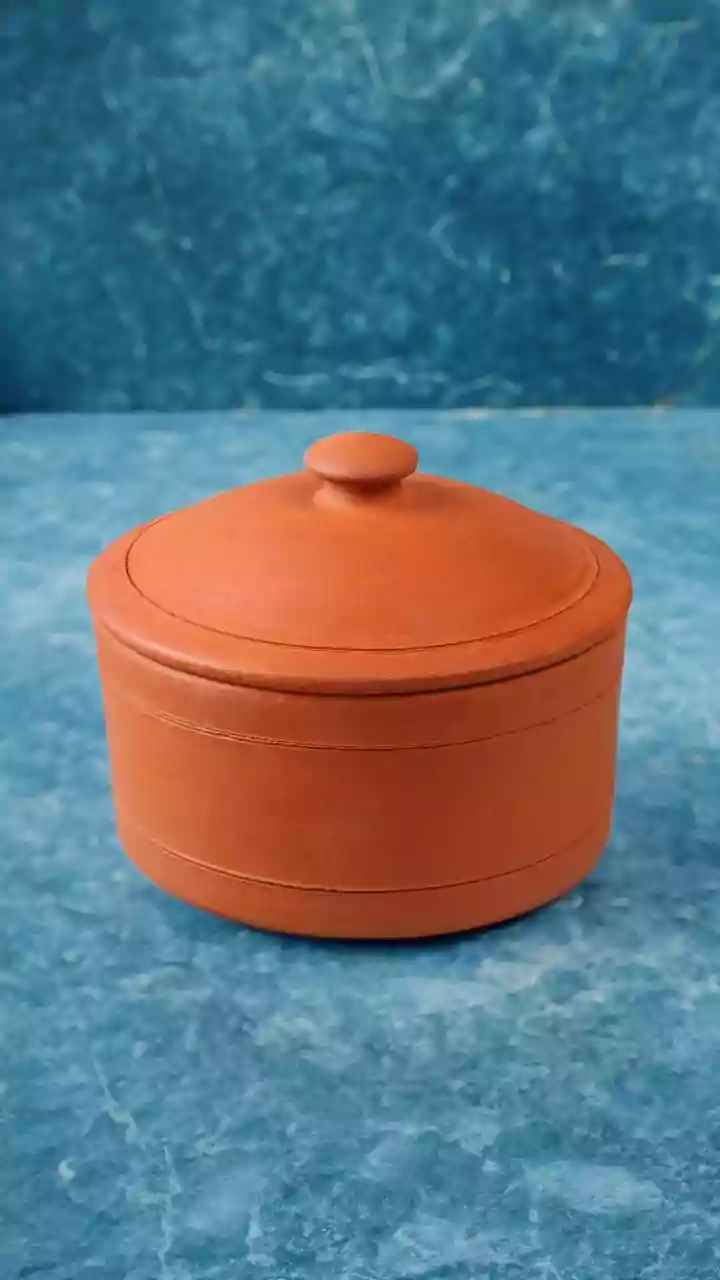
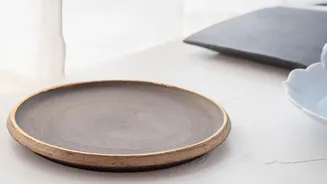
While plant pots are the most common entry point, young decorators are using terracotta in far more creative ways. In India, its natural cooling properties have been utilised for centuries. Today, this is being translated into modern homes through terracotta wall tiles, floor panels, and even light fixtures that cast a warm, diffused glow. Artisans and designers are creating minimalist terracotta tableware, sleek water carafes, and sculptural decor items that blend seamlessly with contemporary aesthetics. By integrating these traditional craft objects, a modern home can gain a sense of cultural identity and history, connecting a contemporary space to India's rich artisanal heritage without feeling old-fashioned.